 Pocket Botanist
Guía de plantas
Common dog violet.
Viola riviniana
Pronunciación vy-OH-luh riv-ih-nee-AY-nuh
También se conoce como Common Dog-Violet, Rivinus' violet



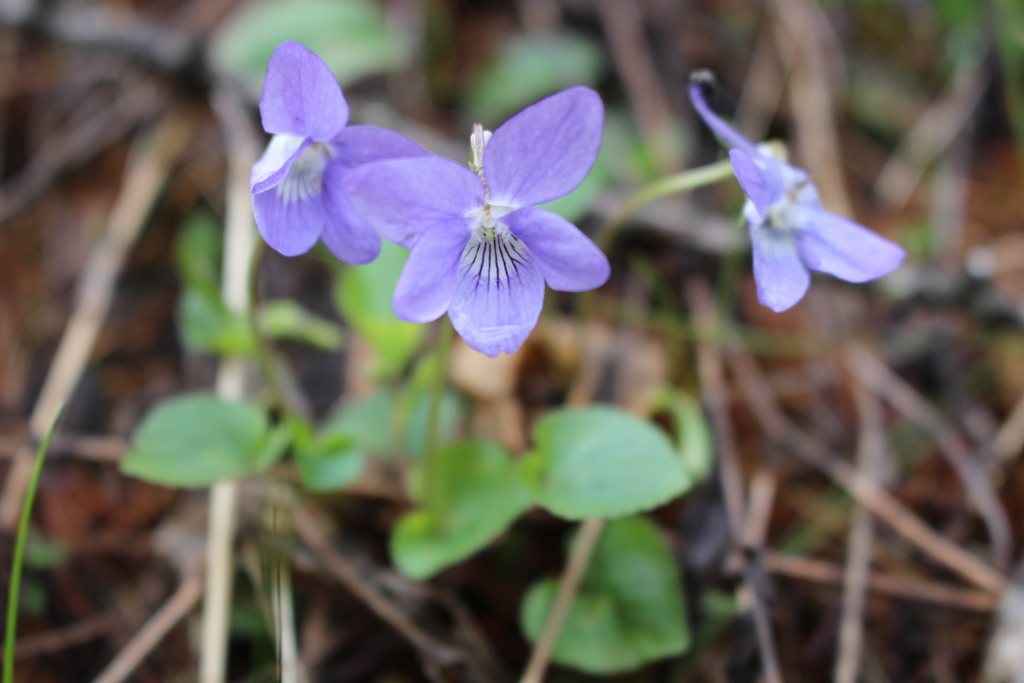
The common dog violet is a lovely perennial that brings a touch of woodland charm to your garden. It thrives in shaded spots and produces delicate, pale blue to violet flowers in the spring. You will find it is a wonderful choice for naturalizing in wilder areas of your yard.
De un vistazo
- Nivel de cuidados
- Fácil
- Tipo de planta
- Perennial
- Luz
- Partial shade to full shade
- Luz en interior
- Luz media
- Riego
- Cada 3 a 7 días
- Tamaño adulto
- 6 to 10 inches
- Ritmo de crecimiento
- Medio
- Rusticidad
- USDA 4 a 8
- Floración
- Mid spring to early summer
Cuidados
Keep the soil consistently moist but not waterlogged to mimic its natural woodland habitat. Watch for aphids or slugs that might enjoy the tender foliage. Deadhead the spent flowers if you want to encourage a longer blooming period.
- Riego
- Water whenever the top inch of soil feels dry to the touch.
- Abonado
- Apply a balanced liquid fertilizer during the active growing season.
- Poda
- Trim back dead or damaged foliage to keep the plant looking tidy.
- Trasplante
- Repot if the plant becomes root bound or if the soil loses its structure.
- Suelo
- Moist, well draining, humus rich soil
- pH del suelo
- Neutral to slightly acidic
- Temperatura
- -20 a 25°C
- Humedad
- 50 a 80%
Seguridad
- Personas
- The plant is not considered toxic to humans.
- Niños
- There are no specific safety concerns for children handling this plant.
- Alérgenos por contacto
- No specific skin irritation is associated with this plant.
- Alérgenos en el aire
- The pollen is not typically considered a significant airborne allergen.
- Comestibilidad
- While the flowers are technically edible, they are often bitter and not typically consumed.
Cómo identificarla
- Heart shaped leaves with serrated edges
- Pale violet flowers with darker veins
- Spurred petals at the back
- Low growing clump forming habit
- Altura
- 0,05 a 0,2m
- Anchura
- 0,1 a 0,3m
- Hojas
- green, deciduous
- Flores
- violet, blue, 1 a 2cm
- Frutos
- brown, Late summer
Problemas frecuentes
- Powdery mildew — A fungal infection causing white dusty spots on leaves.
- Slugs — These mollusks feed on tender young foliage.
Cómo cultivarla
- Propagación
- seed, division
- Cuándo plantar
- spring, autumn
Plant these in groups under deciduous trees to mimic their natural forest floor environment.
Buenas compañeras
- anémona de madera — They share similar woodland habitat requirements.
- Bluebell — They create a naturalistic woodland floor aesthetic.
Especies parecidas
- Viola odorata — It is a related species but features fragrant flowers.
Ciencia
- Familia
- Violaceae
- Género
- Viola
- Orden
- Malpighiales
- Clase
- Magnoliopsida
- Distribución natural
- Europe and parts of North Africa.
- Conservación
- This species is common and not of conservation concern.
It grows in woodland clearings and hedge banks where it benefits from seasonal light changes.
- Valor para la fauna
- larval host plant, early nectar source
- Polinizadores
- abejas, mariposas
- Usos
- ground cover, woodland garden, pollinator habitat
A lo largo del año
Indicadores ecológicos
- Salinidad
- 1/9
- Reacción del suelo
- 5/9
- Luz
- 4/9
- Temperatura
- 4/9
- Humedad
- 5/9
- Nutrientes
- 4/9
Taxonomía cotejada con GBIF.
Lo que más preguntan
- Does it spread easily?
- Yes, it self seeds readily in favorable conditions.
- Can I grow it in full sun?
- It prefers partial shade and may struggle in hot, direct sun.
De dónde viene el nombre
The name riviniana honors the German botanist Augustus Quirinus Rivinus.
Bueno saberlo
- It is commonly known as the common dog violet.
- It thrives in dappled shade under deciduous trees.
- The flowers are scentless.
También en
¿Tu common dog violet tiene mal aspecto?
Esta página es una guía general. Pocket Botanist diagnostica problemas a partir de una foto de tu propia planta, calcula el riego según tu luz y tus condiciones, y te avisa cuando toca cuidarla.
Esta guía se ha generado con IA y se ha cotejado con la taxonomía de GBIF. Es información general, no asesoramiento botánico ni veterinario. Descubre cómo elaboramos estas guías.