 Pocket Botanist
Guía de plantas
Great Mullein.
Verbascum thapsus
Pronunciación ver-BASS-kum THAP-sus
También se conoce como Aaron's rod, Aaron's-rod, Big Taper, Blanketweed, Charmin of the woods, Common Mullein, Flannel Mullein, Flannel Plant


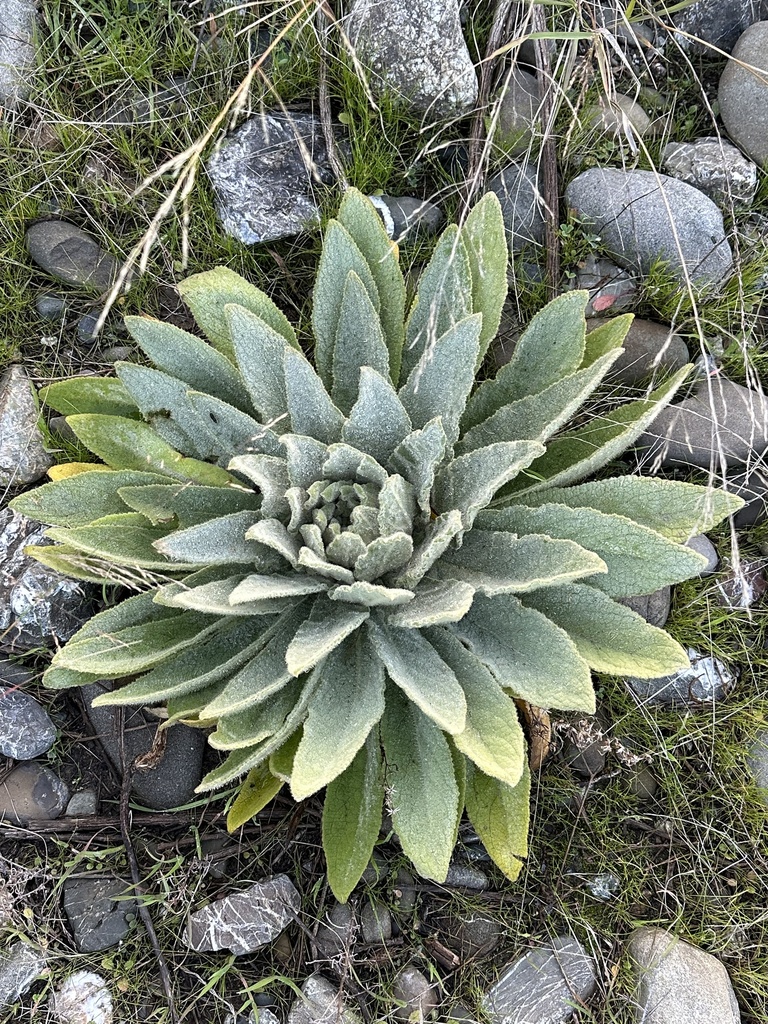
Mullein is a striking biennial plant that produces a tall, impressive spike of yellow flowers. It's often found growing in fields and along roadsides where it enjoys plenty of sun. You'll love how its fuzzy, silver-green leaves add a unique texture to your garden.

De un vistazo
- Nivel de cuidados
- Fácil
- Tipo de planta
- Biennial herb
- Luz
- Full sun
- Luz en interior
- Sol directo
- Riego
- Cada 7 a 14 días
- Tamaño adulto
- 6 to 8 feet
- Ritmo de crecimiento
- Rápido
- Rusticidad
- USDA 3 a 9
- Floración
- Mid to late summer
Cuidados
Plant this in a spot that gets plenty of sunshine to keep it happy. Watch for wilting leaves during dry spells, which is your sign that it needs a good drink. It's a very low-maintenance plant that mostly takes care of itself once it's settled in.
- Riego
- Water deeply when the top inch of soil feels dry to the touch.
- Abonado
- It rarely needs fertilizer if planted in decent garden soil.
- Poda
- Cut back the flower stalk after it finishes blooming to keep the area tidy.
- Trasplante
- Since it's a biennial, you likely won't need to repot it before it completes its life cycle.
- Suelo
- Well-draining, sandy or rocky soil
- pH del suelo
- 6.0 to 7.5
- Temperatura
- -30 a 35°C
- Humedad
- 30 a 70%
- Tolerancia a la sequía
- Alta
- Longevidad
- Biennial, typically 2 years.
- Fragancia
- Suave
- Resistencia a ciervos y conejos
- Alta
Señales de que necesita trasplante
- Roots growing out of the drainage holes.
- Stunted growth despite adequate light and water.
Seguridad
- Personas
- The plant is generally considered non-toxic, though the fine hairs on the leaves can cause mechanical irritation.
- Niños
- The fine, fuzzy hairs on the leaves may cause irritation if handled by children, and the seeds should not be eaten.
- Alérgenos por contacto
- The dense, stellate hairs on the leaves can cause contact dermatitis or skin irritation in sensitive individuals.
- Alérgenos en el aire
- The pollen can be a minor respiratory irritant for those with severe hay fever.
- Comestibilidad
- While often used in herbal teas, the seeds contain rotenone and should not be ingested.
Cómo identificarla
- Tall central flowering spike
- Soft, woolly, silver-green leaves
- Large basal rosette of leaves
- Small yellow five-petaled flowers
- Altura
- 0,6 a 2m
- Anchura
- 0,3 a 0,6m
- Hojas
- gray-green, deciduous
- Flores
- yellow, 1 a 3cm
Problemas frecuentes
- Powdery mildew — A fungal infection that appears as white dusty patches on the foliage.
Cómo cultivarla
- Propagación
- seed
- Cuándo plantar
- spring, autumn
- Cuidados en invierno
- The first-year rosette stays low to the ground and remains evergreen in mild climates. No special protection is needed as it is very cold hardy.
- En maceta
- It is not ideal for containers due to its long taproot, but it can grow in a very deep pot of at least 40 centimeters.
Direct Sowing
- 1. Collect seeds in late summer or autumn.
- 2. Scatter seeds onto bare, disturbed soil in a sunny location.
- 3. Press them lightly into the surface without burying them, as they need light to germinate.
Pair this plant with other sun-loving, drought-tolerant wildflowers to create a low-maintenance meadow aesthetic.
Buenas compañeras
- Purple coneflower — They share similar requirements for full sun and well drained soil.
- Susana de ojos negros — Both plants thrive in open, sunny meadows and disturbed ground.
Especies parecidas
- Verbascum blattaria — A related species with similar growth habits and flower structure.
Ciencia
- Familia
- Scrophulariaceae
- Género
- Verbascum
- Orden
- Lamiales
- Clase
- Magnoliopsida
- Distribución natural
- Europe, Northern Africa, and Asia.
- Conservación
- It is considered an invasive weed in many parts of North America and is not of conservation concern.
It is a pioneer species that thrives in disturbed, sunny, and dry soils where competition from other plants is low.
- Valor para la fauna
- nectar source
- Polinizadores
- abejas, mariposas
- Usos
- ornamental, medicinal, erosion control
A lo largo del año
Indicadores ecológicos
- Salinidad
- 2/9
- Reacción del suelo
- 6/9
- Luz
- 8/9
- Temperatura
- 5/9
- Humedad
- 3/9
- Nutrientes
- 3/9
Taxonomía cotejada con GBIF.
Lo que más preguntan
- Is it a perennial?
- It is a biennial, meaning it lives for two years.
- Does it spread easily?
- Yes, it produces thousands of seeds that germinate readily in disturbed soil.
De dónde viene el nombre
The genus name Verbascum is a Latin corruption of barbascum, meaning bearded, while the species name thapsus refers to the ancient city of Thapsus in Tunisia.
Bueno saberlo
- It is often called cowboy toilet paper due to the soft, fuzzy texture of its leaves.
- The plant is a biennial, forming a rosette in its first year and a tall flower spike in its second.
- It was historically used as a torch by dipping the dried stalk in tallow.
También en
¿Tu great mullein tiene mal aspecto?
Esta página es una guía general. Pocket Botanist diagnostica problemas a partir de una foto de tu propia planta, calcula el riego según tu luz y tus condiciones, y te avisa cuando toca cuidarla.
Esta guía se ha generado con IA y se ha cotejado con la taxonomía de GBIF. Es información general, no asesoramiento botánico ni veterinario. Descubre cómo elaboramos estas guías.