 Pocket Botanist
Guía de plantas
Purple pitcher plant.
Sarracenia purpurea
Pronunciación sah-rah-SEE-nee-ah pur-PUR-ee-ah
También se conoce como Hollow-leaved Lavender, Pitcher Plant, Pitcherplant, Purple Pitcher-plant, Side-saddle flower, Turtle socks, common pitcherplant, frog's-britches


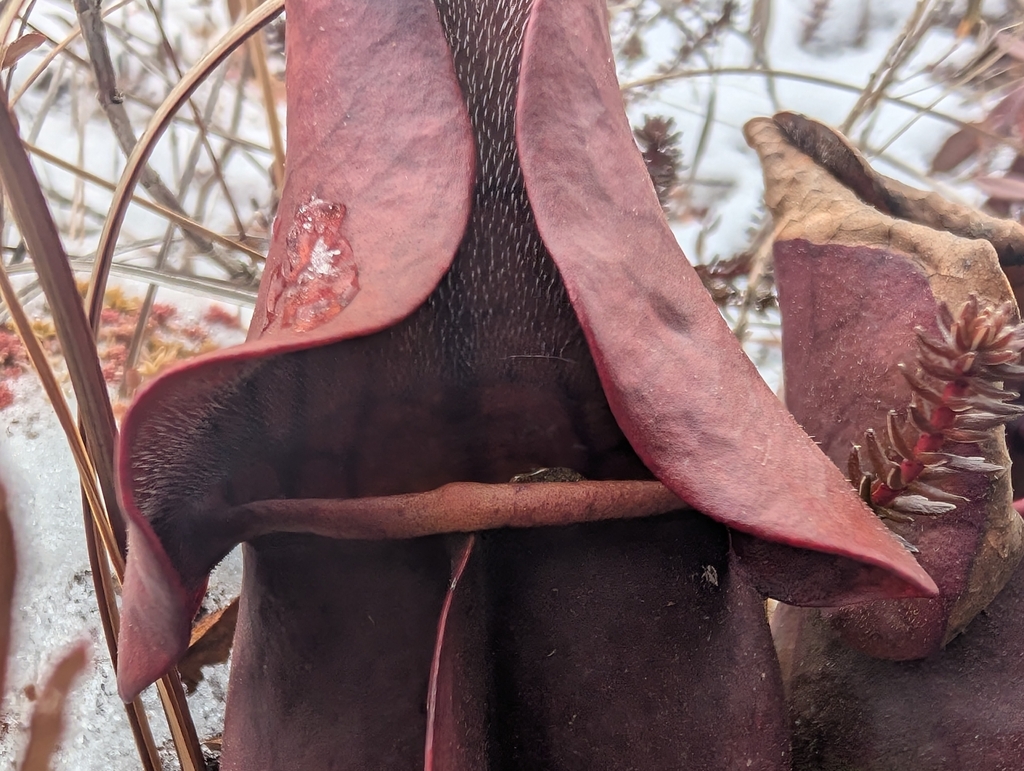
The purple pitcher plant is a fascinating carnivorous species that traps insects in its water filled leaves. It is native to boggy areas across North America and thrives in nutrient poor, acidic soil. You will love watching how it catches its own snacks.
De un vistazo
- Nivel de cuidados
- Difícil
- Tipo de planta
- Carnivorous perennial
- Luz
- Full sun
- Luz en interior
- Sol directo
- Riego
- Cada 1 a 3 días
- Tamaño adulto
- 12 to 18 inches
- Ritmo de crecimiento
- Lento
- Rusticidad
- USDA 3 a 8
- Floración
- Mid to late spring
Cuidados
Keep the soil consistently moist using only distilled or rainwater to avoid mineral buildup. Ensure the plant sits in a tray of water to mimic its natural bog habitat. Watch for browning leaf tips, which often signal mineral burn from tap water.
- Riego
- Always keep the soil saturated with distilled water.
- Abonado
- Do not fertilize this plant as it gets nutrients from insects.
- Poda
- Trim away dead or dried pitchers in late winter.
- Trasplante
- Repot only when the plant outgrows its container.
- Suelo
- Peat moss and perlite mix
- pH del suelo
- Acidic
- Temperatura
- -20 a 35°C
- Humedad
- 60 a 90%
- Tolerancia a la sequía
- Baja
- Longevidad
- Perennial, can live for many decades.
- Fragancia
- Suave
- Resistencia a ciervos y conejos
- Alta
Señales de que necesita trasplante
- Rhizome crowding the pot edge
- Soil medium breaking down
- Reduced growth rate
Seguridad
- Personas
- The plant is not considered toxic, but it is not meant for human consumption.
- Niños
- Keep away from small children to prevent them from pulling apart the pitchers or spilling the digestive fluid.
- Alérgenos por contacto
- The leaves can be slightly abrasive, but there is no known chemical irritant.
- Alérgenos en el aire
- The pollen may cause mild reactions in sensitive individuals.
- Comestibilidad
- This plant is not edible and should never be consumed.
Cómo identificarla
- Tubular leaves forming a rosette
- Veined purple and green coloration
- Hooded opening to trap insects
- Large nodding reddish purple flowers
- Altura
- 0,15 a 0,3m
- Anchura
- 0,2 a 0,4m
- Hojas
- green, red, purple, semi-evergreen
- Flores
- maroon, red, 5 a 8cm
- Frutos
- brown, Late summer
Problemas frecuentes
- Aphids — Small insects that cluster on new growth and flower stalks.
- Root rot — Occurs if the soil medium is allowed to dry out or becomes stagnant.
Cómo cultivarla
- Propagación
- seed, division
- Cuándo plantar
- spring
- Cuidados en invierno
- The plant requires a cold dormant period to survive. Keep the soil moist but not waterlogged during the winter months.
- En maceta
- It grows well in plastic pots placed in a tray of water, minimum 15 cm diameter.
Division
- 1. Gently unpot the plant in early spring.
- 2. Separate the rhizome into sections with roots attached.
- 3. Pot each section into fresh peat and perlite mix.
Seed
- 1. Sow seeds on the surface of moist peat moss.
- 2. Provide a cold stratification period for 4 to 6 weeks.
- 3. Keep under bright light until germination.
Group plants that all require consistent moisture and acidic, peat based soil.
Buenas compañeras
- Round leaved sundew — They share the same boggy, nutrient poor habitat requirements.
- Vaccinium oxycoccos — This low growing plant acts as a living mulch for the bog surface.
Especies parecidas
- Sarracenia flava — It is a taller, more upright relative with yellow flowers.
Ciencia
- Familia
- Sarraceniaceae
- Género
- Sarracenia
- Orden
- Ericales
- Clase
- Magnoliopsida
- Distribución natural
- Eastern North America from the Gulf Coast to Canada.
- Conservación
- It is protected in parts of its range and should never be collected from the wild.
It thrives in nutrient poor, acidic bogs where it captures insects to supplement its nitrogen intake.
- Valor para la fauna
- nectar source, prey capture
- Polinizadores
- abejas, escarabajos
- Usos
- bog gardens, ornamental display
A lo largo del año
Indicadores ecológicos
- Salinidad
- 1/9
- Reacción del suelo
- 2/9
- Luz
- 8/9
- Temperatura
- 4/9
- Humedad
- 9/9
- Nutrientes
- 1/9
Taxonomía cotejada con GBIF.
Lo que más preguntan
- Does it need fertilizer?
- No, it gets nutrients from insects and will be harmed by standard fertilizers.
- What water should I use?
- Use only distilled, rain, or reverse osmosis water.
De dónde viene el nombre
Sarracenia honors Dr. Michel Sarrasin, while purpurea refers to the purple color of the leaves.
Bueno saberlo
- It is the most cold hardy of all pitcher plants.
- The pitchers fill with rainwater to drown prey.
- It does not produce digestive enzymes but relies on bacteria to break down insects.
También en
¿Tu purple pitcher plant tiene mal aspecto?
Esta página es una guía general. Pocket Botanist diagnostica problemas a partir de una foto de tu propia planta, calcula el riego según tu luz y tus condiciones, y te avisa cuando toca cuidarla.
Esta guía se ha generado con IA y se ha cotejado con la taxonomía de GBIF. Es información general, no asesoramiento botánico ni veterinario. Descubre cómo elaboramos estas guías.