 Pocket Botanist
Guía de plantas
Sauce llorón.
Salix babylonica
Pronunciación SAY-liks bab-ih-LON-ih-kuh
También se conoce como Sauce llorón de Babilonia, Sauce llorón chino, Sauce chino, Sauce retorcido, Sauce llorón globoso, Sauce de Pekín, Sauce tortuoso, Sauce llorón



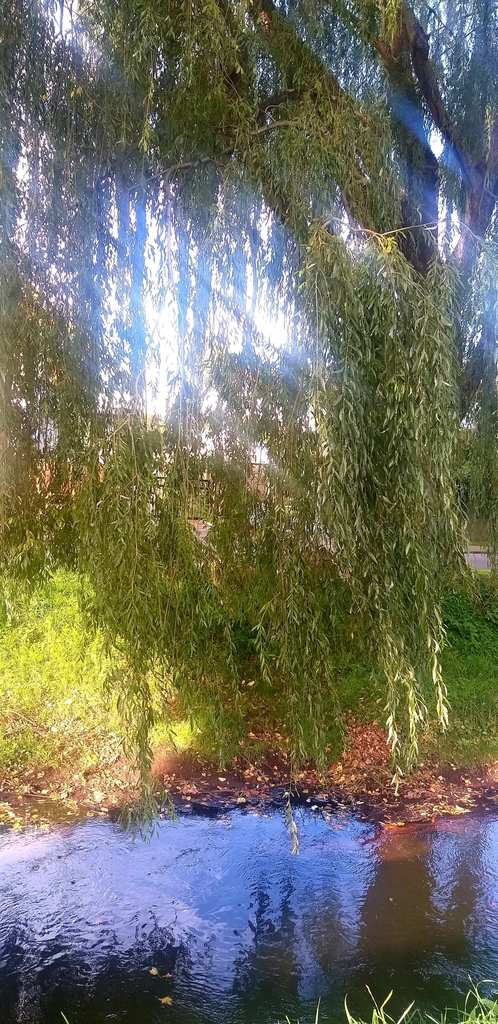
El sauce llorón es un árbol elegante conocido por sus largas ramas que caen en cascada hasta el suelo. Crece bien cerca de fuentes de agua y añade un toque dramático y romántico a cualquier paisaje amplio. Te encantará cómo sus hojas verde brillante brillan con la brisa.
De un vistazo
- Nivel de cuidados
- Media
- Tipo de planta
- Árbol caducifolio
- Luz
- Pleno sol
- Luz en interior
- Sol directo
- Riego
- Cada 3 a 7 días
- Tamaño adulto
- 30 a 50 pies de altura
- Ritmo de crecimiento
- Rápido
- Rusticidad
- USDA 4 a 9
- Floración
- Principios de primavera
Cuidados
Planta este árbol en un lugar con mucho espacio para que su amplio sistema de raíces se extienda. Vigila la aparición de manchas en las hojas o plagas como los pulgones, y poda la madera muerta a finales del invierno. Necesita humedad constante para mantenerse sano y vibrante.
- Riego
- Mantén la tierra consistentemente húmeda, especialmente durante épocas calurosas y secas.
- Abonado
- Aplica un fertilizante equilibrado una vez a principios de primavera, antes de que aparezca el nuevo crecimiento.
- Poda
- Poda durante la latencia de finales de invierno para eliminar ramas dañadas y dar forma a la copa.
- Trasplante
- Si se mantiene en maceta mientras es joven, trasplanta a una maceta más grande cada pocos años hasta que esté listo para el suelo.
- Suelo
- Suelo húmedo, bien drenado y fértil
- pH del suelo
- 6.0 a 8.0
- Temperatura
- -25 a 35°C
- Humedad
- 40 a 80%
- Tolerancia a la sequía
- Baja
- Longevidad
- Perenne, típicamente de 30 a 50 años
- Resistencia a ciervos y conejos
- Baja
Señales de que necesita trasplante
- Las raíces crecen fuera de los agujeros de drenaje.
- El agua drena demasiado rápido a través de la maceta.
Seguridad
- Personas
- La corteza y las hojas se consideran levemente tóxicas si se ingieren en grandes cantidades debido al contenido de salicina.
- Mascotas
- Esta planta contiene salicilina, que puede causar malestar gastrointestinal si es ingerida por gatos o perros.
- Niños
- Las ramas largas y colgantes son tentadoras para que los niños trepen, pero la madera es quebradiza y se rompe con facilidad.
- Alérgenos por contacto
- La savia puede causar irritación leve en la piel en algunas personas.
- Alérgenos en el aire
- El polen es un alérgeno moderado durante el período de floración a principios de primavera.
- Comestibilidad
- La corteza contiene salicina, que está químicamente relacionada con la aspirina y puede causar reacciones en personas sensibles.
Cómo identificarla
- Ramas largas, pendulares y caídas
- Hojas verdes estrechas y lanceoladas
- Corteza rugosa, gris y profundamente surcada
- Hábito caducifolio de crecimiento rápido
- Altura
- 9 a 15m
- Anchura
- 9 a 15m
- Hojas
- verde, verde amarillento, caduco
- Flores
- amarillo, verde, 1 a 3cm
- Frutos
- marrón, finales de primavera
Problemas a vigilar
- Moteado del sauceComún
- PulgonesComún
- ChancroPoco común
- CochinillasPoco común
- Podredumbre radicularPoco común
- Quemadura foliarPoco común
- Agalla del cuelloRara
- Escoba de brujaRara
- Roya del sauce — Una infección fúngica que causa manchas en las hojas y la muerte de ramitas.
Por síntoma
Revisa tu sauce llorón con una foto
Pocket Botanist mira una foto de tu planta y te dice qué le pasa y qué probar primero.
Cómo cultivarla
- Propagación
- esquejes
- Cuándo plantar
- primavera, otoño
- Cuidados en invierno
- No se necesita cuidado especial en invierno, ya que es bastante resistente. Asegúrate de que la tierra no se seque por completo durante los períodos secos de invierno.
- En maceta
- No es adecuado para el cultivo en macetas a largo plazo debido a su tamaño masivo y sistema radicular.
Esquejes de madera dura
- Toma un esqueje de unos 30 cm de largo de una rama sana y dormida a finales de invierno.
- Coloca el esqueje directamente en tierra húmeda o en un recipiente con agua.
- Mantén la tierra o el agua constantemente húmedas hasta que se desarrollen las raíces.
Planta perennes amantes de la humedad debajo para aprovechar la sombra y la tierra húmeda.
Buenas compañeras
- Lirio de plátano — Prosperan en la sombra moteada que proporciona el dosel del sauce.
- Lirio de día — Toleran las condiciones de suelo húmedo que a menudo se encuentran cerca de los sauces llorones.
Especies parecidas
- Salix alba 'Tristis' — Tiene un hábito de llorar similar pero con ramas de color amarillo más brillante.
Ciencia
- Familia
- Salicaceae
- Género
- Salix
- Orden
- Malpighiales
- Clase
- Magnoliopsida
- Distribución natural
- Norte de China
- Conservación
- Esta especie no es de preocupación para la conservación.
Coloniza de forma natural las riberas de los ríos y las llanuras aluviales húmedas, donde sus raíces pueden acceder a abundante agua.
- Valor para la fauna
- fuente temprana de néctar
- Polinizadores
- abejas
- Usos
- ejemplar ornamental, control de la erosión, árbol de sombra
A lo largo del año
Indicadores ecológicos
- Reacción del suelo
- 6/9
- Luz
- 7/9
- Humedad
- 8/9
- Salinidad
- 2/9
- Temperatura
- 5/9
- Nutrientes
- 5/9
Taxonomía cotejada con GBIF.
Lo que más preguntan
- Cuánta agua necesita?
- Prospera en tierra constantemente húmeda y es perfecto para zonas cercanas al agua.
- Puedo plantarlo cerca de mi casa?
- No, las raíces son muy agresivas y pueden dañar tuberías y cimientos.
De dónde viene el nombre
El nombre de la especie babylonica fue asignado erróneamente por Linneo, quien pensó que era el sauce mencionado en la Biblia.
Bueno saberlo
- Los sauces llorones son famosos por sus elegantes ramas caedizas.
- Crecen muy rápidamente cuando se plantan cerca de una fuente de agua.
- La madera es bastante blanda y no es adecuada para construcciones pesadas.
- A menudo se utilizan en jardinería para suavizar el aspecto de los estanques grandes.
También en
Que tu sauce llorón siga creciendo
Esta página es una guía general. Guarda tu planta en Pocket Botanist y tendrás recordatorios de cuidado pensados para esta planta, además de un historial de cuidados que muestra qué ha funcionado.
Esta guía se ha generado con IA y se ha cotejado con la taxonomía de GBIF. Es información general, no asesoramiento botánico ni veterinario. Descubre cómo elaboramos estas guías.