 Pocket Botanist
Guía de plantas
Douglas fir.
Pseudotsuga menziesii
Pronunciación soo-doh-TSOO-guh men-ZEE-zee-eye
También se conoce como Dougie, Douglas Fir, Douglas spruce, Douglas-fir, Dugie, North American Douglas-fir, Oregon Pine, Oregon-pine



This iconic evergreen is a staple of the Pacific Northwest landscape. It is a massive conifer that provides excellent shelter for local wildlife. You will find it thrives best in large outdoor spaces where it has room to stretch its branches.
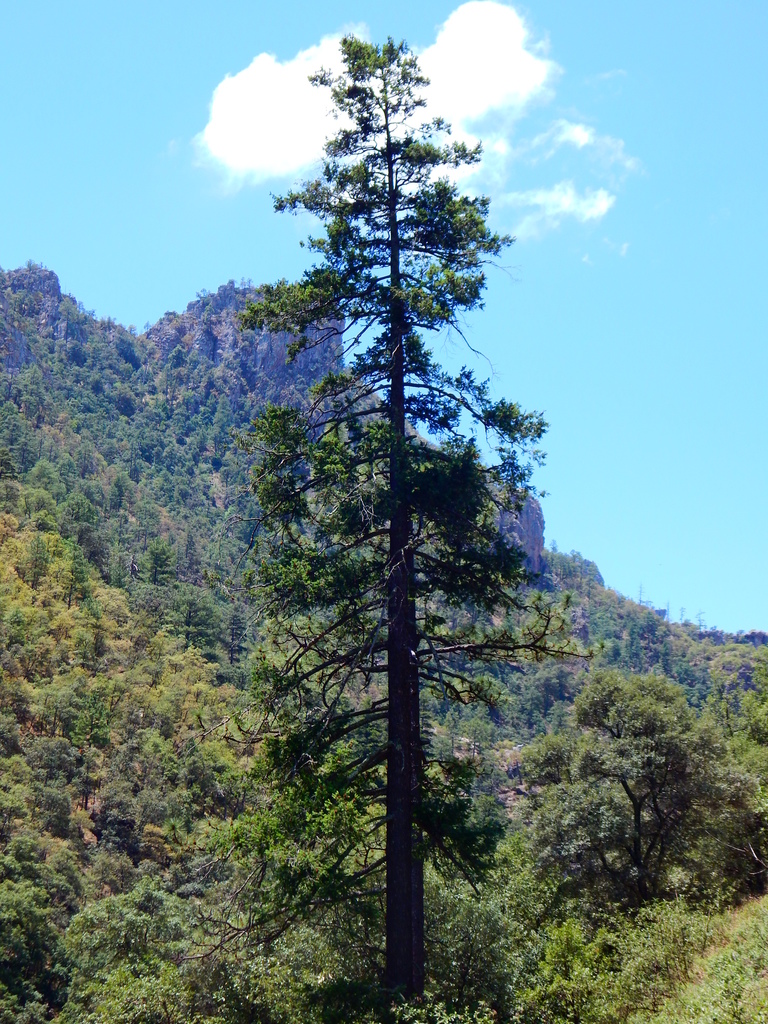
De un vistazo
- Nivel de cuidados
- Fácil
- Tipo de planta
- Conifer
- Luz
- Full sun
- Luz en interior
- Sol directo
- Riego
- Cada 7 a 14 días
- Tamaño adulto
- 200 feet
- Ritmo de crecimiento
- Medio
- Rusticidad
- USDA 4 a 7
- Floración
- Mid to late spring
Cuidados
Plant this tree in a spot with plenty of space for its eventual size. Keep an eye out for needle drop or yellowing which might suggest poor drainage. It is quite hardy once established in the ground.
- Riego
- Water deeply during the first few years until the root system is well established.
- Abonado
- Apply a balanced fertilizer once in early spring to support healthy growth.
- Poda
- Remove dead or damaged branches in late winter while the tree is dormant.
- Trasplante
- This tree is not suitable for container growth long term.
- Suelo
- Well drained acidic soil
- pH del suelo
- 5.0 to 6.0
- Temperatura
- -35 a 35°C
- Humedad
- 40 a 80%
- Tolerancia a la sequía
- Moderada
- Longevidad
- Long lived, often 500 plus years
- Fragancia
- Suave
- Resistencia a ciervos y conejos
- Moderada
Seguridad
- Personas
- The plant is generally non toxic, though ingestion of large quantities of needles may cause mild digestive upset.
- Niños
- The sharp needles can poke small children, so keep them away from low hanging branches.
- Alérgenos por contacto
- Handling the needles may cause mild skin irritation in sensitive individuals.
- Alérgenos en el aire
- The pollen is a common airborne allergen during the spring release period.
- Comestibilidad
- The needles are sometimes used for tea, but ensure you have correctly identified the species as some conifers are toxic.
Cómo identificarla
- Soft needles with two white underside bands
- Cones have distinct three pointed bracts
- Dark gray bark with deep fissures
- Pyramidal shape when young
- Altura
- 20 a 70m
- Anchura
- 6 a 10m
- Hojas
- dark green, blue green, evergreen
- Flores
- yellow, red, 1 a 3cm
- Frutos
- brown, Autumn
Problemas frecuentes
- Swiss needle cast — A fungal infection that causes yellowing and premature dropping of needles.
- Douglas fir beetle — A bark beetle that can cause significant damage to stressed or weakened trees.
Cómo cultivarla
- Propagación
- seed
- Cuándo plantar
- Spring, Autumn
- Cuidados en invierno
- No special winter care is required as it is fully hardy in its native range.
- En maceta
- It is not suitable for long term container growth due to its massive size.
Seed propagation
- Collect mature cones in autumn.
- Dry cones to release the seeds.
- Cold stratify seeds for 30 to 60 days before sowing in spring.
Plant shade tolerant shrubs underneath to take advantage of the dappled light provided by the canopy.
Buenas compañeras
- Cedro rojo occidental — They often grow together in native forest ecosystems.
- Gaultheria shallon — This shrub thrives in the acidic soil conditions found beneath these trees.
Especies parecidas
- Tsuga heterophylla — It shares a similar native range and forest habitat.
Ciencia
- Familia
- Pinaceae
- Género
- Pseudotsuga
- Orden
- Pinales
- Clase
- Pinopsida
- Distribución natural
- Western North America
- Conservación
- This species is widely distributed and not currently of conservation concern.
It thrives in cool, moist climates and often dominates forests by outcompeting other species for light.
- Valor para la fauna
- nesting site, seed source for birds, larval host plant
- Polinizadores
- abejas
- Usos
- timber production, ornamental specimen, windbreak, christmas tree
A lo largo del año
Indicadores ecológicos
- Salinidad
- 1/9
- Reacción del suelo
- 5/9
- Luz
- 7/9
- Temperatura
- 4/9
- Humedad
- 6/9
- Nutrientes
- 5/9
Taxonomía cotejada con GBIF.
Lo que más preguntan
- How fast does it grow?
- It grows moderately fast, often adding 30 to 60 centimeters per year in good conditions.
- Can I grow this in a small yard?
- It is generally too large for small residential gardens and is better suited for large landscapes.
De dónde viene el nombre
The genus name Pseudotsuga means false hemlock, while the species epithet honors the Scottish botanist Archibald Menzies.
Bueno saberlo
- It is one of the tallest tree species in the world.
- The cones have unique three pointed bracts sticking out from under the scales.
- It is the state tree of Oregon.
- The wood is highly valued for construction due to its strength.
- It can live for over 500 years in ideal conditions.
¿Tu douglas fir tiene mal aspecto?
Esta página es una guía general. Pocket Botanist diagnostica problemas a partir de una foto de tu propia planta, calcula el riego según tu luz y tus condiciones, y te avisa cuando toca cuidarla.
Esta guía se ha generado con IA y se ha cotejado con la taxonomía de GBIF. Es información general, no asesoramiento botánico ni veterinario. Descubre cómo elaboramos estas guías.