 Pocket Botanist
Guía de plantas
Frangipani.
Plumeria
Pronunciación ploo-MEER-ee-uh
También se conoce como Frangipani, Frangipani Trees, plumeria


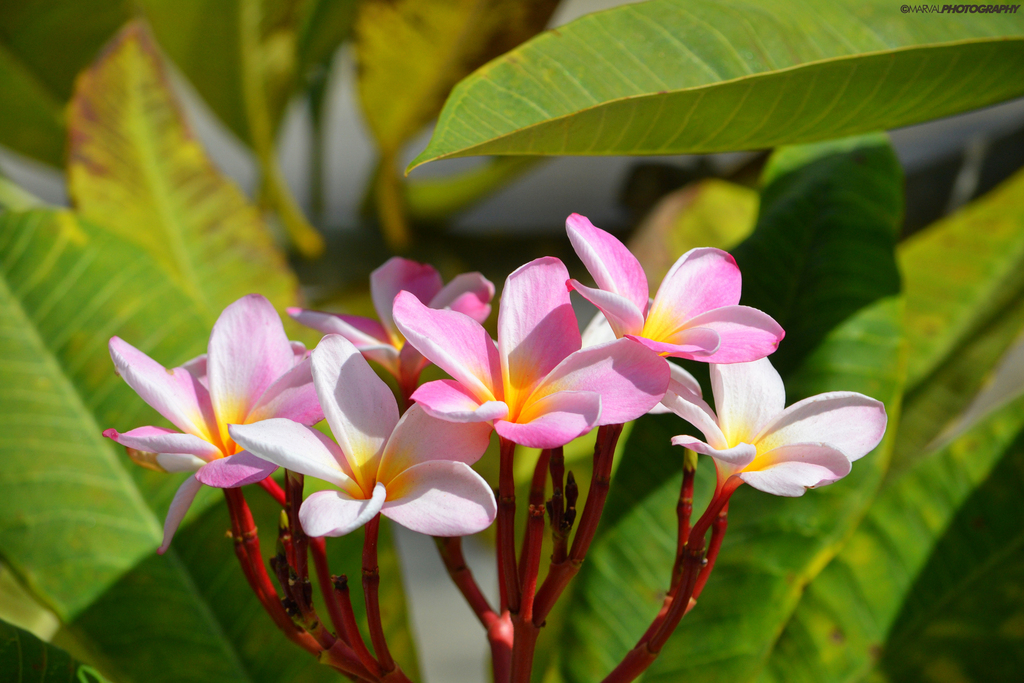
Los Plumeria son arbustos tropicales icónicos conocidos por sus flores increíblemente fragantes y cerosas. Prosperan en climas cálidos y les encanta tomar el sol. Los encontrarás en una hermosa variedad de colores como blanco, amarillo, rosa y rojo.

De un vistazo
- Nivel de cuidados
- Media
- Tipo de planta
- Arbusto tropical
- Luz
- Sol pleno
- Luz en interior
- Sol directo
- Riego
- Cada 7 a 14 días
- Tamaño adulto
- 15 a 25 pies
- Ritmo de crecimiento
- Medio
- Rusticidad
- USDA 10 a 12
- Floración
- Finales de primavera a principios de otoño
Cuidados
Dale a estas plantas la mayor cantidad de sol posible para fomentar la floración. Presta atención a las hojas amarillentas, que a menudo indican exceso de riego o mal drenaje. Mantenlas cálidas y secas durante su período de letargo invernal.
- Riego
- Deja que la tierra se seque significativamente entre riegos para prevenir la pudrición de las raíces.
- Abonado
- Usa un fertilizante alto en fósforo durante la temporada de crecimiento para estimular la producción de flores.
- Poda
- Poda a finales de invierno o principios de primavera para mantener la forma y eliminar ramas muertas.
- Trasplante
- Trasplanta cuando la planta tenga las raíces apretadas, generalmente cada pocos años.
- Suelo
- Mezcla bien drenada para cactus o suculentas
- pH del suelo
- 6.0 a 7.0
- Temperatura
- 10 a 35°C
- Humedad
- 40 a 60%
- Tolerancia a la sequía
- Alta
- Longevidad
- Perenne, puede vivir muchas décadas con el cuidado adecuado.
- Fragancia
- Intensa
- Resistencia a ciervos y conejos
- Alta
Señales de que necesita trasplante
- Raíces que crecen fuera de los agujeros de drenaje
- El agua pasa directamente a través de la maceta sin empaparse
- Crecimiento atrofiado durante la temporada activa
Seguridad
- Personas
- La savia lechosa es un irritante para la piel y la planta es tóxica si se ingiere.
- Mascotas
- La savia lechosa es tóxica para gatos y perros si se ingiere o se toca.
- Niños
- Mantenga esta planta alejada de los niños porque la savia lechosa es irritante y todas las partes son tóxicas si se ingieren.
- Alérgenos por contacto
- La savia de látex lechoso puede causar dermatitis de contacto o irritación en pieles sensibles.
- Alérgenos en el aire
- No hay evidencia significativa de alergias respiratorias causadas por esta planta.
- Comestibilidad
- Todas las partes de la planta se consideran tóxicas si se ingieren y no deben consumirse.
Cómo identificarla
- Tallos gruesos, parecidos a suculentas
- Flores fragantes de cinco pétalos
- Hojas grandes, coriáceas y lanceoladas
- Savina blanca lechosa al cortarse
- Altura
- 1,5 a 6m
- Anchura
- 1,5 a 4,5m
- Hojas
- verde, caduca
- Flores
- blanco, amarillo, rosa, rojo, 5 a 10cm
- Frutos
- marrón, Rara vez se produce en cultivo
Problemas a vigilar
- Araña rojaComún
- Podredumbre radicularComún
- Roya del frangipaniComún
- CochinillasPoco común
- Cochinillas algodonosasPoco común
- TripsPoco común
- Ácaros araña — Diminutos insectos que causan moteado y telarañas en las hojas durante el clima cálido y seco.
- Roya — Una infección fúngica que causa pústulas anaranjadas en el envés de las hojas.
- Pudrición de raíz — Ocurre cuando la tierra permanece demasiado húmeda durante mucho tiempo, a menudo debido a un mal drenaje.
Por síntoma
Revisa tu frangipani con una foto
Pocket Botanist mira una foto de tu planta y te dice qué le pasa y qué probar primero.
Cómo cultivarla
- Propagación
- esquejes, semilla
- Cuándo plantar
- primavera, principios de verano
- Cuidados en invierno
- Mueva la planta al interior o a un lugar libre de heladas antes del primer frío de otoño. Manténgala en un lugar luminoso y deje de fertilizar, regando solo lo suficiente para evitar que los tallos se marchiten.
- En maceta
- La Plumeria crece excepcionalmente bien en macetas, siempre que utilice una mezcla para macetas bien drenante y una maceta de al menos 30 cm de ancho.
Esquejes de tallo
- 1. Tome un esqueje de 30 cm de una rama sana en primavera.
- 2. Deje que el extremo cortado se callose en un área seca y sombreada durante 1 a 2 semanas.
- 3. Plante el extremo calloso en una mezcla para cactus bien drenante.
- 4. Coloque en un lugar cálido y luminoso y riegue con moderación hasta que se formen las raíces.
Combínala con otras plantas tropicales amantes del sol que aprecien un suelo bien drenado para crear una exhibición cohesiva en maceta.
Buenas compañeras
- hibisco chino — Comparten requisitos similares de luz y agua tropicales.
- Lantana — Esta planta proporciona un contraste colorido y de bajo crecimiento que prospera en las mismas condiciones soleadas.
Especies parecidas
- Rosa del desierto — Comparte un hábito de crecimiento suculento similar y un origen tropical.
- Adelfa — Tiene una savia lechosa similar y también es miembro de la familia Apocynaceae.
Ciencia
- Familia
- Apocynaceae
- Género
- Plumeria
- Orden
- Gentianales
- Clase
- Magnoliopsida
- Distribución natural
- América tropical
- Conservación
- No es de preocupación para la conservación, aunque se cultiva ampliamente en regiones tropicales.
Sobrevive en bosques tropicales secos al dejar caer sus hojas durante la estación seca para conservar la humedad.
- Valor para la fauna
- fuente de néctar fragante
- Polinizadores
- polillas
- Usos
- arbusto ornamental, planta de maceta, elaboración de collares (leis), perfumería
A lo largo del año
Indicadores ecológicos
- Salinidad
- 2/9
- Reacción del suelo
- 6/9
- Luz
- 8/9
- Nutrientes
- 5/9
- Temperatura
- 8/9
- Humedad
- 3/9
Taxonomía cotejada con GBIF.
Lo que más preguntan
- ¿Cómo hago que mi Plumeria florezca?
- Necesitan al menos seis horas de sol directo y fertilizante regular durante la temporada de crecimiento.
- ¿Necesito regarla en invierno?
- Cuando la planta pierde sus hojas y entra en dormancia, reduce el riego significativamente para evitar la pudrición.
De dónde viene el nombre
El género lleva el nombre del botánico francés Charles Plumier, mientras que el nombre común frangipani honra al Marqués Frangipani.
Bueno saberlo
- La Plumeria es la flor nacional de Nicaragua.
- Las flores se usan comúnmente en los collares hawaianos (leis) por su durabilidad y aroma.
- También se conocen como frangipani, nombradas en honor a una familia noble italiana que creó un perfume con un aroma similar.
- La Plumeria puede sobrevivir largos períodos de sequía almacenando agua en sus gruesos y suculentos tallos.
También en
Que tu frangipani siga creciendo
Esta página es una guía general. Guarda tu planta en Pocket Botanist y tendrás recordatorios de cuidado pensados para esta planta, además de un historial de cuidados que muestra qué ha funcionado.
Esta guía se ha generado con IA y se ha cotejado con la taxonomía de GBIF. Es información general, no asesoramiento botánico ni veterinario. Descubre cómo elaboramos estas guías.