 Pocket Botanist
Guía de plantas
American sycamore.
Platanus occidentalis
Pronunciación PLAT-uh-nus ok-si-den-TAY-liss
También se conoce como American Plane, American Plane Tree, American Planetree, American Sycamore, American plane-tree, Bottonball, Buttonball, Buttontree


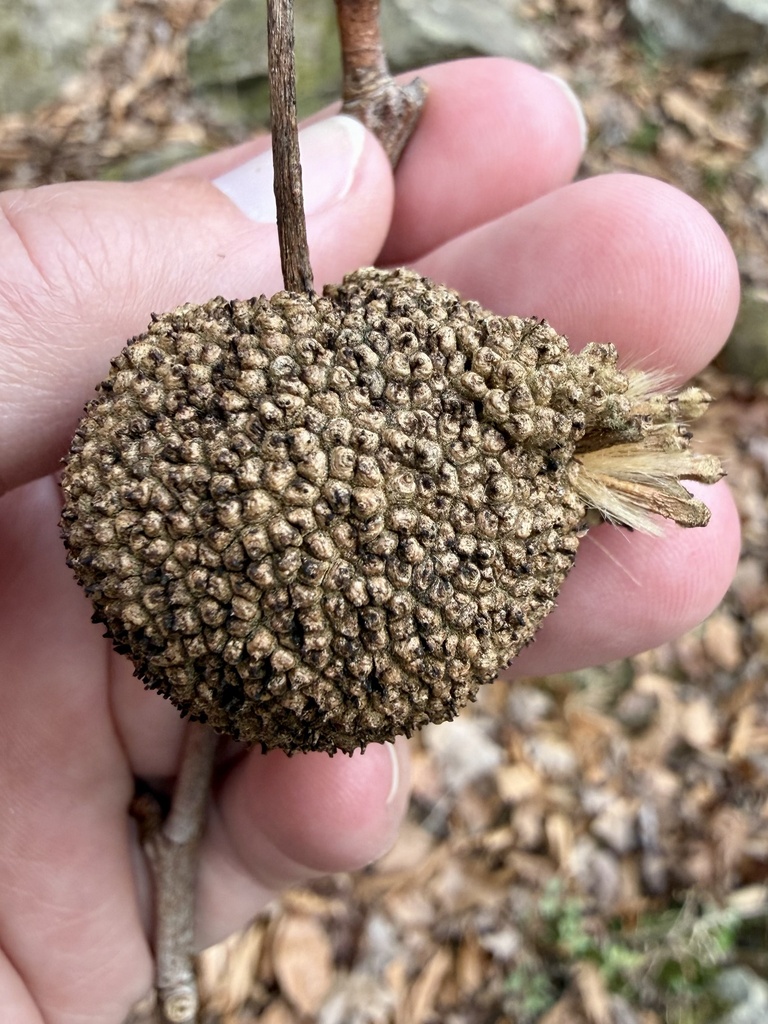
The American sycamore is a massive, fast growing deciduous tree native to North America. It is well known for its distinctive peeling bark that reveals white, cream, and tan patches underneath. You will often find these giants growing near streams and rivers where they have plenty of room to spread their roots.
De un vistazo
- Nivel de cuidados
- Fácil
- Tipo de planta
- Deciduous tree
- Luz
- Full sun
- Luz en interior
- Sol directo
- Riego
- Cada 7 a 14 días
- Tamaño adulto
- 75 to 100 feet
- Ritmo de crecimiento
- Rápido
- Rusticidad
- USDA 4 a 9
- Floración
- Mid spring
Cuidados
Plant this tree in a location with plenty of space for its expansive root system and canopy. Keep an eye out for leaf blight or anthracnose during wet springs. It is a very hardy tree that mostly takes care of itself once established.
- Riego
- Young trees need regular deep watering until they are well established in the landscape.
- Abonado
- Apply a balanced fertilizer in early spring if the tree shows signs of slow growth.
- Poda
- Prune during the dormant winter season to remove dead or crossing branches.
- Trasplante
- This tree is not suitable for container growth due to its massive size.
- Suelo
- Moist, deep, rich soil
- pH del suelo
- 5.0 to 8.0
- Temperatura
- -30 a 35°C
- Humedad
- 40 a 80%
- Tolerancia a la sequía
- Moderada
- Longevidad
- Perennial, can live for 200 to 500 years.
- Resistencia a ciervos y conejos
- Moderada
Seguridad
- Personas
- The fine hairs on the leaves and fruit can cause irritation if inhaled or touched.
- Niños
- The large, heavy fruit balls can be a tripping hazard or cause minor injury if they fall on small children.
- Alérgenos por contacto
- The fuzzy hairs on young leaves and fruit can cause skin irritation.
- Alérgenos en el aire
- The pollen is a common allergen during the spring flowering season.
- Comestibilidad
- The fruit is not considered edible for humans.
Cómo identificarla
- Large, maple like lobed leaves
- Exfoliating bark with camouflage pattern
- Round, fuzzy seed balls hanging down
- Massive trunk with wide base
- Altura
- 20 a 40m
- Anchura
- 15 a 30m
- Hojas
- green, deciduous
- Flores
- green, red, 1 a 2cm
- Frutos
- brown, Autumn to winter
Problemas frecuentes
- Sycamore Anthracnose — A fungal disease that causes leaf blight and twig dieback in cool, wet springs.
- Lace Bug — Small insects that feed on the undersides of leaves, causing yellowing and stippling.
Cómo cultivarla
- Propagación
- seed, cuttings
- Cuándo plantar
- spring, autumn
- Cuidados en invierno
- No special protection is needed as it is fully hardy in its native range.
- En maceta
- This tree is far too large for container growth.
Seed
- Collect the fuzzy fruit balls in late winter.
- Break them apart to release the seeds.
- Sow seeds in moist soil and keep them consistently damp until germination.
Group this tree with other moisture loving species to create a stable riparian buffer.
Buenas compañeras
- Betula nigra — They share similar moisture requirements and thrive in riparian settings.
- Quercus bicolor — This oak also tolerates the wet soil conditions often found near sycamores.
Especies parecidas
- Plátano de sombra — It is a hybrid that is more resistant to anthracnose than the native species.
Ciencia
- Familia
- Platanaceae
- Género
- Platanus
- Orden
- Proteales
- Clase
- Magnoliopsida
- Distribución natural
- Eastern and central North America.
- Conservación
- This species is widespread and not currently of conservation concern.
It thrives in moist, deep soils along floodplains where it can tolerate periodic inundation.
- Valor para la fauna
- seeds provide winter food for birds, nesting habitat for squirrels and birds
- Polinizadores
- abejas
- Usos
- shade tree, riparian restoration, timber
A lo largo del año
Indicadores ecológicos
- Salinidad
- 2/9
- Reacción del suelo
- 6/9
- Luz
- 7/9
- Temperatura
- 5/9
- Humedad
- 8/9
- Nutrientes
- 6/9
Taxonomía cotejada con GBIF.
Lo que más preguntan
- How fast does it grow?
- It is a very fast grower, often adding several feet per year.
- Can I plant it near my house?
- No, its massive size and aggressive root system make it unsuitable for small yards or near foundations.
De dónde viene el nombre
The name occidentalis means western, referring to its native range in the Western Hemisphere, while Platanus comes from the Greek word for broad, describing its large leaves.
Bueno saberlo
- It is one of the largest deciduous trees in North America.
- The bark peels off in irregular plates to reveal a creamy white inner layer.
- It is often found growing naturally along riverbanks and streams.
- The wood is hard and was historically used for butcher blocks.
- It can live for several hundred years in ideal conditions.
¿Tu american sycamore tiene mal aspecto?
Esta página es una guía general. Pocket Botanist diagnostica problemas a partir de una foto de tu propia planta, calcula el riego según tu luz y tus condiciones, y te avisa cuando toca cuidarla.
Esta guía se ha generado con IA y se ha cotejado con la taxonomía de GBIF. Es información general, no asesoramiento botánico ni veterinario. Descubre cómo elaboramos estas guías.