 Pocket Botanist
Guía de plantas
Ponderosa pine.
Pinus ponderosa
Pronunciación PY-nus pon-der-OH-suh
También se conoce como Bull Pine, Western Ponderosa Pine, Western Yellow-Pine, Willamette Valley Ponderosa Pine, blackjack pine


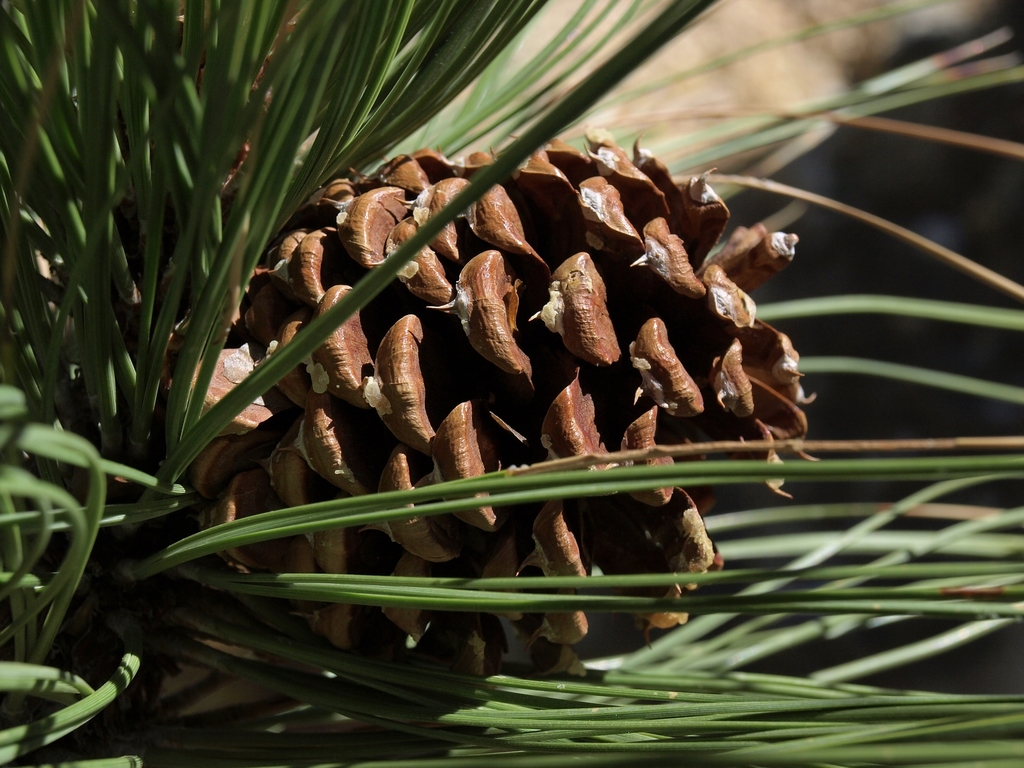
The Ponderosa pine is a majestic evergreen conifer native to western North America. It is well known for its tall, straight trunk and distinctive bark that smells like vanilla or butterscotch. These trees are iconic symbols of the American West.

De un vistazo
- Nivel de cuidados
- Fácil
- Tipo de planta
- Coniferous tree
- Luz
- Full sun
- Luz en interior
- Sol directo
- Riego
- Cada 14 a 30 días
- Tamaño adulto
- 60 to 130 feet
- Ritmo de crecimiento
- Medio
- Rusticidad
- USDA 3 a 7
- Floración
- Late spring
Cuidados
Plant this tree in a sunny spot with plenty of space to accommodate its large size. Ensure the soil drains well, as these trees do not like sitting in wet feet. Watch for yellowing needles which can indicate poor drainage or nutrient issues.
- Riego
- Water deeply during the first few years until established, then rely on natural rainfall.
- Abonado
- Apply a balanced fertilizer in early spring if the tree shows signs of slow growth.
- Poda
- Remove dead or damaged branches in late winter while the tree is dormant.
- Trasplante
- Ponderosa pines are typically grown outdoors in the ground, but young specimens in containers need fresh soil every few years.
- Suelo
- Well drained sandy or rocky soil
- pH del suelo
- 6.0 to 7.5
- Temperatura
- -35 a 35°C
- Humedad
- 20 a 50%
- Tolerancia a la sequía
- Alta
- Longevidad
- Long lived, often 300 to 500 years.
- Fragancia
- Intensa
- Resistencia a ciervos y conejos
- Moderada
Seguridad
- Personas
- The needles contain small amounts of isocupressic acid, which can cause issues if consumed in large quantities.
- Niños
- The sharp needles and heavy cones can pose a physical injury risk to small children if they fall or are handled carelessly.
- Alérgenos por contacto
- The sap can cause skin irritation in sensitive individuals.
- Alérgenos en el aire
- The pollen is a common airborne allergen during the spring release.
- Comestibilidad
- The inner bark and seeds are edible, but ensure correct identification as some pine species are toxic.
Cómo identificarla
- Long, dark green needles in bundles of three
- Thick, reddish brown bark with puzzle piece plates
- Large, woody cones with sharp prickles
- Tall, straight, columnar growth habit
- Altura
- 18 a 50m
- Anchura
- 6 a 12m
- Hojas
- dark green, yellow green, evergreen
- Flores
- yellow, red, 1 a 2cm
- Frutos
- brown, Autumn
Problemas frecuentes
- Pine bark beetle — These beetles bore into the bark and can kill stressed trees.
- Dothistroma needle blight — A fungal infection that causes needles to yellow and drop prematurely.
Cómo cultivarla
- Propagación
- seed
- Cuándo plantar
- spring, autumn
- Cuidados en invierno
- No special winter care is needed as they are fully hardy in their native range.
- En maceta
- Not suitable for long term container growth due to its massive size.
Seed
- Collect mature cones in late summer or autumn before they open.
- Dry the cones in a warm place until they release their seeds.
- Cold stratify the seeds in a refrigerator for 30 to 60 days.
- Sow seeds in well draining soil and keep moist until germination.
Plant in open, sunny areas with plenty of space to accommodate their large mature size.
Buenas compañeras
- Common Juniper — It thrives in similar dry, sunny conditions and provides ground cover.
- Quaking Aspen — They often grow together in mixed stands and provide nice color contrast.
Especies parecidas
- Pinus jeffreyi — It looks very similar but has larger cones and different smelling bark.
Ciencia
- Familia
- Pinaceae
- Género
- Pinus
- Orden
- Pinales
- Clase
- Pinopsida
- Distribución natural
- Western North America from Canada to Mexico.
- Conservación
- This species is widespread and not currently of conservation concern.
It is a keystone species that creates open parklike forests which support a wide variety of understory plants and wildlife.
- Valor para la fauna
- seeds provide food for birds and small mammals, provides nesting habitat
- Polinizadores
- abejas
- Usos
- timber production, ornamental landscape tree, erosion control, wildlife habitat
A lo largo del año
Indicadores ecológicos
- Salinidad
- 2/9
- Reacción del suelo
- 5/9
- Luz
- 8/9
- Temperatura
- 4/9
- Humedad
- 3/9
- Nutrientes
- 3/9
Taxonomía cotejada con GBIF.
Lo que más preguntan
- How fast do they grow?
- They grow at a moderate rate, typically adding 30 to 60 centimeters per year.
- Do they need a lot of water?
- Once established, they are quite drought tolerant and prefer well drained soil.
De dónde viene el nombre
The scientific name Pinus is the classical Latin name for pine, while ponderosa refers to the heavy, substantial nature of the wood.
Bueno saberlo
- Ponderosa pines are one of the most widely distributed pine species in North America.
- They are fire adapted and have thick bark to protect them from low intensity ground fires.
- The name ponderosa comes from the Latin word for heavy, referring to the dense wood.
- These trees can live for over 500 years in the right conditions.
También en
¿Tu ponderosa pine tiene mal aspecto?
Esta página es una guía general. Pocket Botanist diagnostica problemas a partir de una foto de tu propia planta, calcula el riego según tu luz y tus condiciones, y te avisa cuando toca cuidarla.
Esta guía se ha generado con IA y se ha cotejado con la taxonomía de GBIF. Es información general, no asesoramiento botánico ni veterinario. Descubre cómo elaboramos estas guías.