 Pocket Botanist
Guía de plantas
Pink evening primrose.
Oenothera speciosa
Pronunciación ee-NOH-ther-uh spee-see-OH-suh
También se conoce como Mexican Evening Primrose, Pink Buttercups, Pink Evening Primrose, Pink primrose, Pinkladies, Showy Evening Primrose, White evening primrose, buttercups


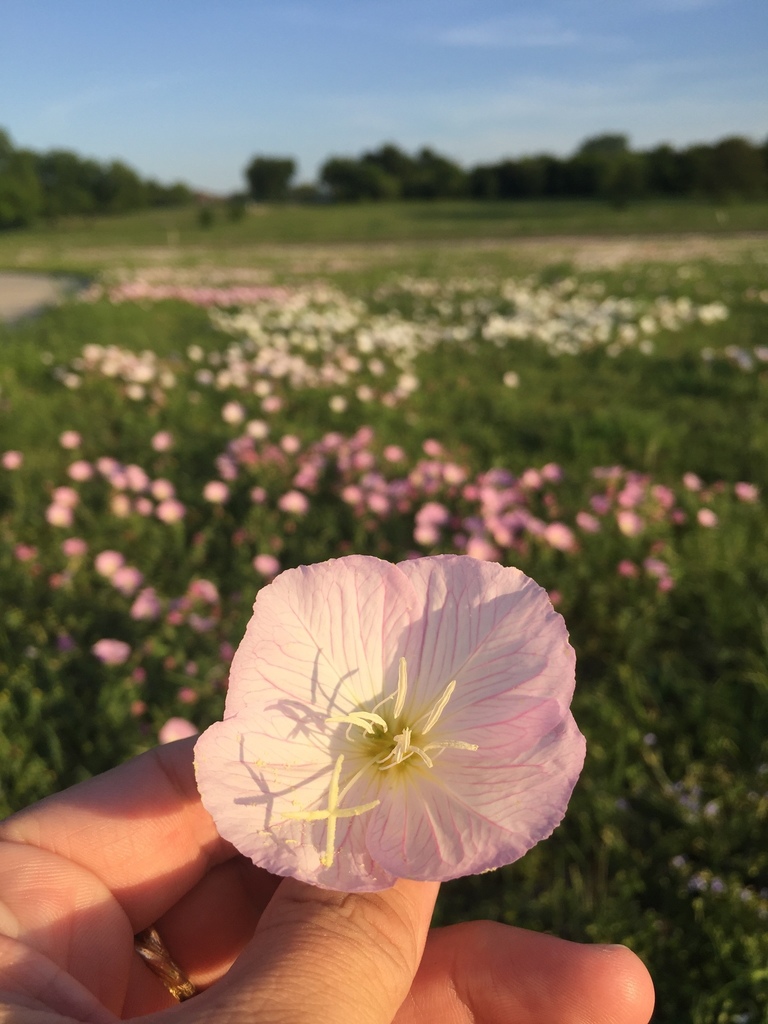
This charming perennial is known for its delicate, cup shaped flowers that bloom in shades of white to pink. It is a hardy grower that spreads easily through underground runners. You will love how it brightens up sunny garden beds and meadows.

De un vistazo
- Nivel de cuidados
- Fácil
- Tipo de planta
- Perennial
- Luz
- Full sun
- Luz en interior
- Sol directo
- Riego
- Cada 7 a 14 días
- Tamaño adulto
- 1 to 2 feet
- Ritmo de crecimiento
- Rápido
- Rusticidad
- USDA 5 a 9
- Floración
- Late spring to mid summer
Cuidados
Plant this in a spot with plenty of sun and well draining soil to keep it happy. Watch for wilting if the soil stays too dry for long periods. It can be quite vigorous, so give it enough space to spread out.
- Riego
- Water deeply once the top inch of soil feels dry to the touch.
- Abonado
- A light application of balanced fertilizer in early spring is plenty.
- Poda
- Trim back the foliage after the main flowering flush to encourage a tidy appearance.
- Trasplante
- If growing in a container, move to a larger pot once the roots fill the current space.
- Suelo
- Sandy, rocky, or well draining soil
- pH del suelo
- 6.0 to 8.0
- Temperatura
- -20 a 35°C
- Humedad
- 30 a 70%
- Tolerancia a la sequía
- Alta
- Longevidad
- Perennial, typically 3 to 5 years.
- Fragancia
- Suave
- Resistencia a ciervos y conejos
- Moderada
Señales de que necesita trasplante
- Roots growing out of the drainage holes.
- Water sitting on the surface of the soil.
- Plant growth slowing significantly.
Seguridad
- Personas
- The plant is generally considered non-toxic but can cause mild irritation if handled by sensitive individuals.
- Niños
- Keep away from small children as the plant parts are not meant for consumption.
- Alérgenos por contacto
- The foliage can cause mild skin irritation in sensitive people.
- Alérgenos en el aire
- Pollen may cause mild reactions in those with seasonal allergies.
- Comestibilidad
- This plant is not considered edible and may cause stomach upset if ingested.
Cómo identificarla
- Four petaled cup shaped flowers
- Soft pink or white petals
- Lance shaped or wavy leaves
- Spreading habit via rhizomes
- Altura
- 0,15 a 0,45m
- Anchura
- 0,3 a 0,9m
- Hojas
- green, gray-green, semi-evergreen
- Flores
- white, pink, 4 a 7cm
Problemas frecuentes
- Powdery mildew — A white fungal growth appears on leaves during humid weather.
- Aphids — Small insects that suck sap from new growth.
Cómo cultivarla
- Propagación
- division, seed, cuttings
- Cuándo plantar
- spring, fall
- Cuidados en invierno
- Cut back dead foliage in late autumn. Provide a light layer of mulch if you live in an area with harsh, freezing winters.
- En maceta
- It grows well in containers but requires a large pot to accommodate its spreading roots.
Division
- 1. Dig up a clump in early spring.
- 2. Use a sharp spade to separate the rhizomes.
- 3. Replant immediately in well-draining soil.
Pair this with other vigorous, sun-loving perennials to ensure it does not take over the entire bed.
Buenas compañeras
- Purple coneflower — They share similar sun and water requirements.
- Blanket flower — This pairing creates a vibrant, drought tolerant display.
- Grama azul — The grass provides a nice textural contrast to the soft flowers.
Especies parecidas
- Oenothera biennis — A taller, biennial relative with yellow flowers.
- Oenothera macrocarpa — Features much larger yellow flowers and a more clumping habit.
Ciencia
- Familia
- Onagraceae
- Género
- Oenothera
- Orden
- Myrtales
- Clase
- Magnoliopsida
- Distribución natural
- Central and southern United States and Mexico.
- Conservación
- This plant is not of conservation concern and is often considered aggressive in garden settings.
It thrives in dry, sunny, disturbed soils where it outcompetes other plants through rapid rhizomatous growth.
- Valor para la fauna
- nectar source
- Polinizadores
- abejas, mariposas, polillas
- Usos
- groundcover, pollinator garden, rock garden, meadow planting
A lo largo del año
Indicadores ecológicos
- Salinidad
- 2/9
- Reacción del suelo
- 6/9
- Luz
- 8/9
- Temperatura
- 6/9
- Humedad
- 3/9
- Nutrientes
- 3/9
Taxonomía cotejada con GBIF.
Lo que más preguntan
- Is it invasive?
- It can be very aggressive and spread quickly, so it is best for areas where it has room to roam.
- How do I stop it from spreading?
- Plant it in a container or a restricted area with a root barrier.
De dónde viene el nombre
The genus name Oenothera comes from Greek words meaning wine and to hunt, while speciosa means showy.
Bueno saberlo
- It is commonly called Mexican evening primrose.
- It spreads rapidly through underground rhizomes.
- The flowers often fade from white to a deep pink as they age.
- It is incredibly drought tolerant once established.
También en
¿Tu pink evening primrose tiene mal aspecto?
Esta página es una guía general. Pocket Botanist diagnostica problemas a partir de una foto de tu propia planta, calcula el riego según tu luz y tus condiciones, y te avisa cuando toca cuidarla.
Esta guía se ha generado con IA y se ha cotejado con la taxonomía de GBIF. Es información general, no asesoramiento botánico ni veterinario. Descubre cómo elaboramos estas guías.