 Pocket Botanist
Guía de plantas
Japanese stiltgrass.
Microstegium vimineum
Pronunciación my-kro-STEE-jee-um vim-IN-ee-um
También se conoce como Chinese Packing Grass, Flexible Sea Grass, Japanese Stilt Grass, Japanese Stiltgrass, Nepal Grass, Nepalese Browntop


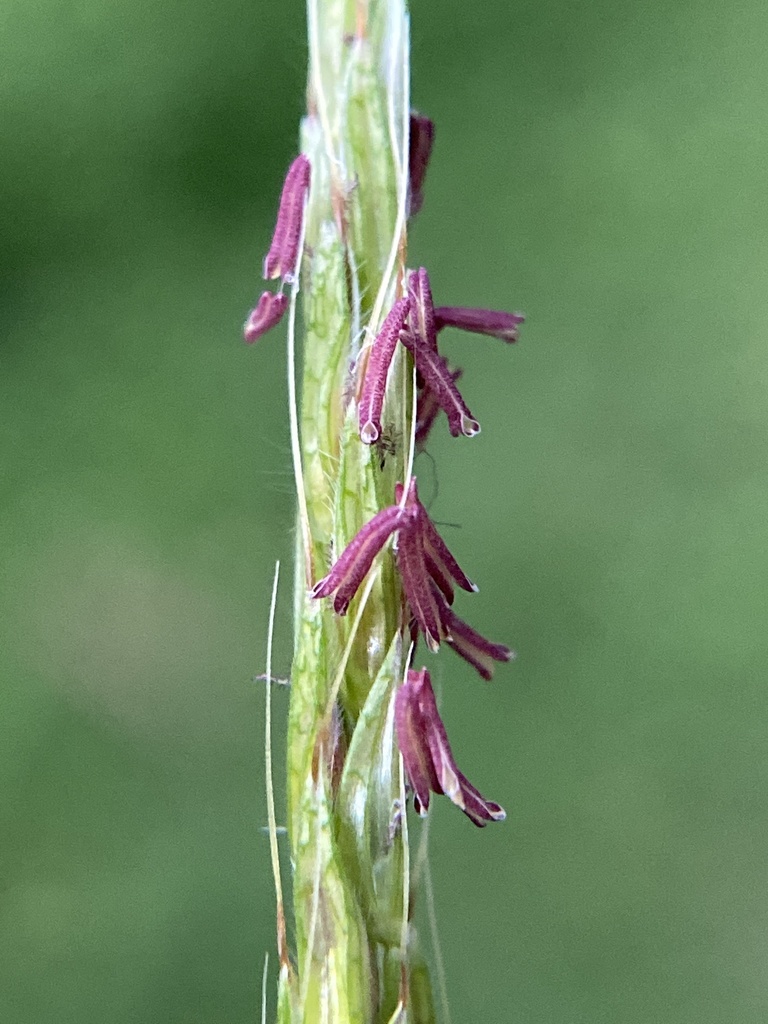
This is an invasive annual grass that spreads rapidly through forest floors and disturbed areas. It thrives in shaded environments and forms dense mats that crowd out native plants. You should avoid planting this as it is considered a significant ecological threat in many regions.

De un vistazo
- Nivel de cuidados
- Fácil
- Tipo de planta
- Annual grass
- Luz
- Partial shade to full shade
- Luz en interior
- Luz media
- Riego
- Cada 3 a 7 días
- Tamaño adulto
- 3 feet
- Ritmo de crecimiento
- Rápido
- Rusticidad
- USDA 5 a 9
- Floración
- Late summer to early autumn
Cuidados
This plant is highly invasive and generally not kept in cultivation. If you find it on your property, you should pull it by hand before it sets seed. Watch for rapid colonization of damp, shady spots.
- Riego
- It prefers consistently moist soil conditions.
- Abonado
- Fertilizing is not recommended for this invasive species.
- Poda
- Remove seed heads before they mature to prevent further spread.
- Trasplante
- As an annual, it typically completes its life cycle within one year.
- Suelo
- Moist, acidic soils
- pH del suelo
- 5.0 to 7.0
- Temperatura
- -20 a 35°C
- Humedad
- 40 a 90%
Seguridad
- Personas
- There is no significant toxicity reported, but it is not intended for human consumption.
- Niños
- The plant is not inherently dangerous to children, though it is not a suitable play plant due to its invasive nature.
- Alérgenos por contacto
- The foliage can be slightly abrasive to sensitive skin.
- Alérgenos en el aire
- The pollen may cause mild seasonal allergies in sensitive individuals.
- Comestibilidad
- This plant is not considered edible and may contain compounds that cause digestive upset.
Cómo identificarla
- Pale green lance shaped leaves
- Silvery stripe down leaf midrib
- Delicate branching stems
- Small spikelet flowers in late summer
- Altura
- 0,3 a 1m
- Anchura
- 0,2 a 0,6m
- Hojas
- bright green, deciduous
- Flores
- green, yellow, 0,1 a 0,5cm
- Frutos
- brown, Autumn
Problemas frecuentes
- Fungal leaf spot — Small lesions appear on leaves during periods of high humidity.
Cómo cultivarla
- Propagación
- seed
- Cuándo plantar
- spring
Do not plant this species as it is an aggressive invader that harms local ecosystems.
Especies parecidas
- Leersia virginica — It shares a similar growth habit but is a native species.
Ciencia
- Familia
- Poaceae
- Género
- Microstegium
- Orden
- Poales
- Clase
- Liliopsida
- Distribución natural
- East Asia
- Conservación
- It is classified as a noxious weed in many regions and should not be planted.
It outcompetes native flora by forming dense mats that shade out seedlings and alter soil chemistry.
- Valor para la fauna
- provides dense ground cover
- Polinizadores
- abejas
- Usos
- ground cover in native range, erosion control in native range
A lo largo del año
Indicadores ecológicos
- Salinidad
- 1/9
- Reacción del suelo
- 5/9
- Luz
- 4/9
- Temperatura
- 5/9
- Humedad
- 6/9
- Nutrientes
- 5/9
Taxonomía cotejada con GBIF.
Lo que más preguntan
- Is this a good garden plant?
- No, it is highly invasive and should be removed if found in your garden.
- How do I get rid of it?
- Hand pulling before it sets seed is effective for small patches.
De dónde viene el nombre
The name Microstegium comes from Greek words meaning small roof, referring to the structure of the spikelets.
Bueno saberlo
- It was accidentally introduced to the United States in the early 20th century.
- A single plant can produce hundreds of seeds that remain viable in the soil for years.
- It thrives in disturbed areas like roadsides and forest edges.
También en
¿Tu japanese stiltgrass tiene mal aspecto?
Esta página es una guía general. Pocket Botanist diagnostica problemas a partir de una foto de tu propia planta, calcula el riego según tu luz y tus condiciones, y te avisa cuando toca cuidarla.
Esta guía se ha generado con IA y se ha cotejado con la taxonomía de GBIF. Es información general, no asesoramiento botánico ni veterinario. Descubre cómo elaboramos estas guías.