 Pocket Botanist
Guía de plantas
Alfalfa.
Medicago sativa
Pronunciación meh-dih-KAY-go sah-TEE-vah
También se conoce como Alfalfa, Lucerne, Medick



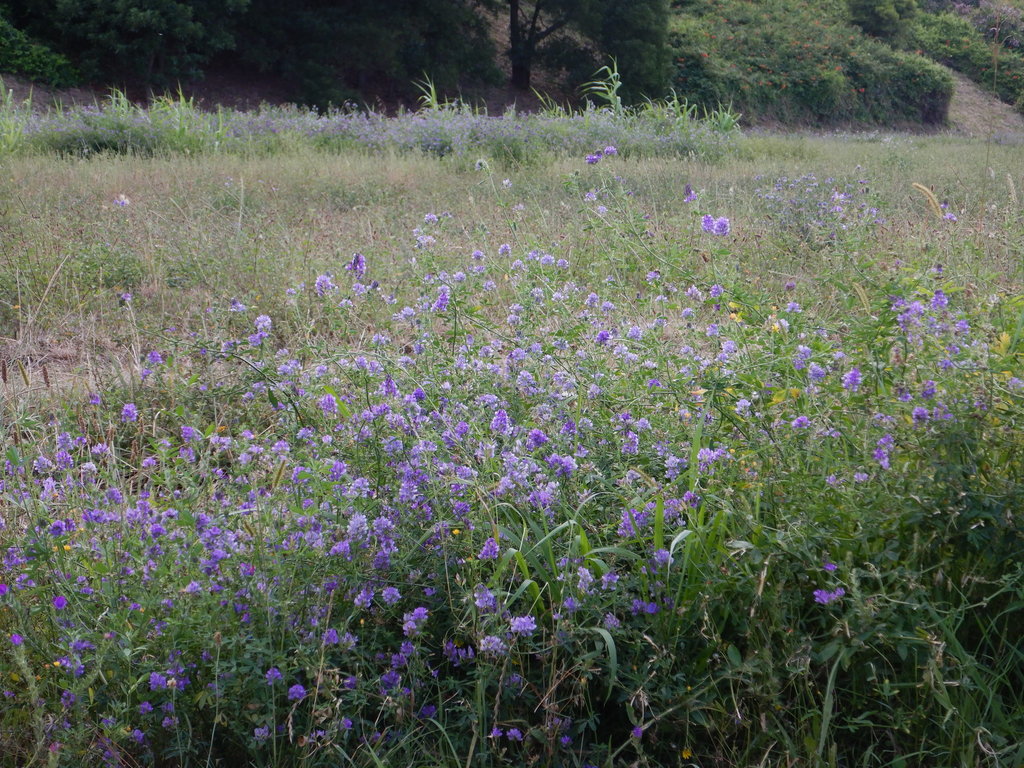
Alfalfa is a hardy perennial legume widely grown as a nutritious forage crop for livestock. It features deep root systems that help improve soil structure and fix nitrogen. You will often see its small, purple flowers blooming in fields during the summer.
De un vistazo
- Nivel de cuidados
- Fácil
- Tipo de planta
- Legume
- Luz
- Full sun
- Luz en interior
- Sol directo
- Riego
- Cada 7 a 14 días
- Tamaño adulto
- 3 feet
- Ritmo de crecimiento
- Rápido
- Rusticidad
- USDA 3 a 9
- Floración
- Late spring to early autumn
Cuidados
Ensure the soil drains well to prevent root rot in this moisture loving plant. Watch for yellowing leaves which can indicate poor drainage or nutrient deficiency. Keep the area free of weeds to help your crop thrive.
- Riego
- Keep the soil consistently moist but never waterlogged.
- Abonado
- Apply a phosphorus rich fertilizer if the soil tests low.
- Poda
- Harvest regularly to encourage new growth and prevent flowering.
- Trasplante
- Usually grown in fields, but if in containers, refresh soil annually.
- Suelo
- Well drained loam
- pH del suelo
- 6.5 to 7.5
- Temperatura
- -30 a 40°C
- Humedad
- 30 a 70%
- Tolerancia a la sequía
- Alta
- Longevidad
- Perennial, typically 3 to 5 years
- Resistencia a ciervos y conejos
- Baja
Seguridad
- Personas
- The plant is generally considered safe, though excessive consumption of seeds or sprouts can be problematic for some individuals.
- Niños
- There are no specific safety concerns for children, though the seeds are small and pose a minor choking hazard.
- Alérgenos por contacto
- Handling the foliage may cause mild skin irritation in sensitive individuals.
- Alérgenos en el aire
- Pollen can trigger seasonal allergies in susceptible people during the peak bloom period.
- Comestibilidad
- Alfalfa sprouts should be consumed with caution due to potential bacterial contamination risks.
Cómo identificarla
- Compound leaves with three leaflets
- Small clusters of purple flowers
- Serrated edges on upper leaflets
- Deep taproot system
- Altura
- 0,3 a 1m
- Anchura
- 0,3 a 0,6m
- Hojas
- green, deciduous
- Flores
- purple, violet, 0,5 a 1cm
- Frutos
- brown, Late summer
Problemas frecuentes
- Alfalfa Weevil — Larvae feed on the leaves and can cause significant foliage damage.
- Leaf Spot — Fungal infections cause dark spots on leaves, often during humid weather.
Cómo cultivarla
- Propagación
- seed
- Cuándo plantar
- spring, autumn
- Cuidados en invierno
- The plant goes dormant in winter, so simply leave the foliage to die back naturally to protect the crown.
- En maceta
- Not ideal for containers due to its extensive taproot system.
Direct Sowing
- Prepare a well drained seedbed.
- Sow seeds at a depth of 1 cm.
- Keep the soil moist until germination.
Pair alfalfa with grasses to maximize soil coverage and forage quality.
Buenas compañeras
- Avena — They are often grown together to provide a balanced forage mix.
- Bromus inermis — This grass provides structural support for the alfalfa stems.
Especies parecidas
- Black medic — It is a smaller, related legume often found in similar habitats.
Ciencia
- Familia
- Fabaceae
- Género
- Medicago
- Orden
- Fabales
- Clase
- Magnoliopsida
- Distribución natural
- South-central Asia
- Conservación
- Alfalfa is a widely cultivated agricultural crop and is not of conservation concern.
It thrives in open, sunny fields where its deep roots access moisture during dry spells.
- Valor para la fauna
- excellent nectar source, supports beneficial insects
- Polinizadores
- abejas, mariposas
- Usos
- cover crop, livestock forage, soil improvement, culinary sprouts
A lo largo del año
Indicadores ecológicos
- Salinidad
- 3/9
- Reacción del suelo
- 7/9
- Luz
- 8/9
- Temperatura
- 6/9
- Humedad
- 4/9
- Nutrientes
- 5/9
Taxonomía cotejada con GBIF.
Lo que más preguntan
- Does alfalfa need fertilizer?
- It fixes its own nitrogen, so it rarely needs supplemental nitrogen.
- Can I grow it in a pot?
- It is better suited for garden beds due to its deep taproot.
De dónde viene el nombre
The name Medicago comes from the ancient region of Media, while sativa means cultivated.
Bueno saberlo
- Alfalfa roots can grow up to 15 feet deep into the soil.
- The name comes from an Arabic phrase meaning best fodder.
- It is one of the most important forage crops in the world.
También en
¿Tu alfalfa tiene mal aspecto?
Esta página es una guía general. Pocket Botanist diagnostica problemas a partir de una foto de tu propia planta, calcula el riego según tu luz y tus condiciones, y te avisa cuando toca cuidarla.
Esta guía se ha generado con IA y se ha cotejado con la taxonomía de GBIF. Es información general, no asesoramiento botánico ni veterinario. Descubre cómo elaboramos estas guías.