 Pocket Botanist
Guía de plantas
Shining Crane's-bill.
Geranium lucidum
Pronunciación jeh-RAY-nee-um LOO-sih-dum
También se conoce como Shining Crane's-bill, Shining geranium


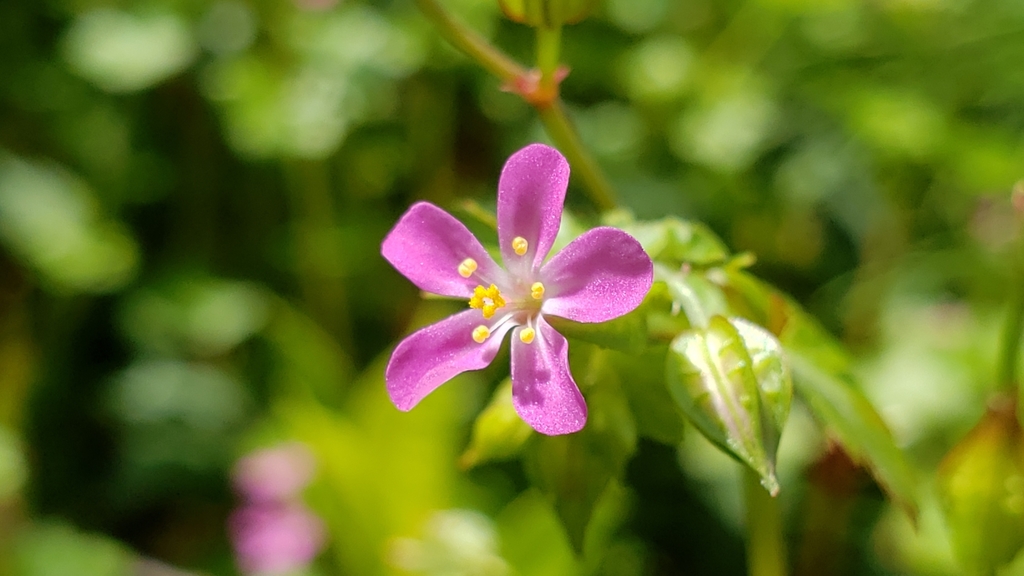
The shining crane's bill is a charming annual that often pops up in woodland areas and rocky spots. It is well known for its glossy, bright green leaves that can turn a lovely shade of red in the sun. It is a great choice if you want a plant that spreads gently and adds a bit of natural texture to your garden.

De un vistazo
- Nivel de cuidados
- Fácil
- Tipo de planta
- Annual herb
- Luz
- Partial shade to full sun
- Luz en interior
- Luz indirecta brillante
- Riego
- Cada 3 a 7 días
- Tamaño adulto
- 12 to 18 inches
- Ritmo de crecimiento
- Medio
- Rusticidad
- USDA 6 a 9
- Floración
- Late spring to mid summer
Cuidados
Keep the soil consistently moist but never soggy to mimic its natural woodland home. Watch for wilting if the soil dries out too much, and keep an eye out for overcrowding if it starts to spread too quickly.
- Riego
- Water when the top inch of soil feels dry to the touch.
- Abonado
- Use a balanced liquid fertilizer during the active growing season.
- Poda
- Trim back spent flower stems to encourage a tidy appearance.
- Trasplante
- Repot only if the plant becomes root bound in its container.
- Suelo
- Well draining, moist soil
- pH del suelo
- Neutral to slightly alkaline
- Temperatura
- -10 a 30°C
- Humedad
- 40 a 70%
- Tolerancia a la sequía
- Moderada
- Longevidad
- Annual, typically 1 year
- Resistencia a ciervos y conejos
- Moderada
Señales de que necesita trasplante
- Roots growing out of the drainage holes
- Water running straight through the pot
Seguridad
- Personas
- It is generally considered non-toxic but is not meant for consumption.
- Niños
- Keep away from small children as the plant is not food and may cause minor digestive discomfort.
- Alérgenos por contacto
- Some individuals may experience mild skin irritation from the glandular hairs.
- Alérgenos en el aire
- There are no notable respiratory allergens associated with this plant.
- Comestibilidad
- This plant is not considered edible and may cause stomach upset if ingested.
Cómo identificarla
- Glossy, rounded, palmately lobed leaves
- Small pink, five petaled flowers
- Stems often tinged with red
- Hairy, reddish seed capsules
- Altura
- 0,1 a 0,3m
- Anchura
- 0,15 a 0,3m
- Hojas
- bright green, reddish, deciduous
- Flores
- pink, 0,5 a 1cm
- Frutos
- brown, Summer
Problemas frecuentes
- Powdery mildew — A white fungal growth on leaves often caused by poor air circulation.
Cómo cultivarla
- Propagación
- seed
- Cuándo plantar
- spring, autumn
- Cuidados en invierno
- In colder climates, the plant will die back completely. Ensure the soil is well-drained to prevent root rot during wet winter months.
- En maceta
- It grows well in containers, provided they have good drainage and are at least 20 cm wide.
Seed
- 1. Collect seeds in late summer when the capsules turn brown.
- 2. Sow seeds directly into prepared soil in autumn.
- 3. Keep the area lightly moist until germination occurs in spring.
Plant in groups with other shade-loving perennials to create a lush, low-maintenance woodland floor.
Buenas compañeras
- Bluebell — They share similar woodland habitat requirements.
- Soft shield fern — The contrasting textures look lovely in a shade garden.
Especies parecidas
- Herb Robert — It is a similar annual geranium with a more sprawling habit.
Ciencia
- Familia
- Geraniaceae
- Género
- Geranium
- Orden
- Geraniales
- Clase
- Magnoliopsida
- Distribución natural
- Europe, Western Asia, and North Africa.
- Conservación
- It is not of conservation concern and is often considered a weed in some regions.
It thrives in shaded, rocky habitats and woodland edges where it can easily disperse its seeds.
- Valor para la fauna
- nectar source
- Polinizadores
- abejas, mariposas
- Usos
- ground cover, woodland gardens, rock gardens
A lo largo del año
Indicadores ecológicos
- Salinidad
- 1/9
- Reacción del suelo
- 6/9
- Luz
- 5/9
- Temperatura
- 5/9
- Humedad
- 5/9
- Nutrientes
- 4/9
Taxonomía cotejada con GBIF.
Lo que más preguntan
- Is this plant invasive?
- It can be quite prolific in its self-seeding, so monitor it in small garden beds.
- Does it need full sun?
- It prefers partial shade but will tolerate full sun if the soil stays moist.
De dónde viene el nombre
The genus name Geranium comes from the Greek word geranos, meaning crane, referring to the beak-like fruit. The specific epithet lucidum means bright or clear, describing the glossy leaves.
Bueno saberlo
- The species name lucidum refers to the shiny appearance of its leaves.
- It is known to self-seed quite freely in favorable conditions.
- The plant often turns a beautiful shade of red in the sun.
¿Tu shining crane's-bill tiene mal aspecto?
Esta página es una guía general. Pocket Botanist diagnostica problemas a partir de una foto de tu propia planta, calcula el riego según tu luz y tus condiciones, y te avisa cuando toca cuidarla.
Esta guía se ha generado con IA y se ha cotejado con la taxonomía de GBIF. Es información general, no asesoramiento botánico ni veterinario. Descubre cómo elaboramos estas guías.