 Pocket Botanist
Guía de plantas
Arugula.
Eruca vesicaria subsp. sativa
Pronunciación eh-ROO-kah veh-sih-KAIR-ee-ah sah-TEE-vah
También se conoce como Eruca vesicaria subsp. sativa, Arugula, Edible Rocket, Garden Rocket, Italian Cress, Rocket, Rocket-salad, Rocketsalad
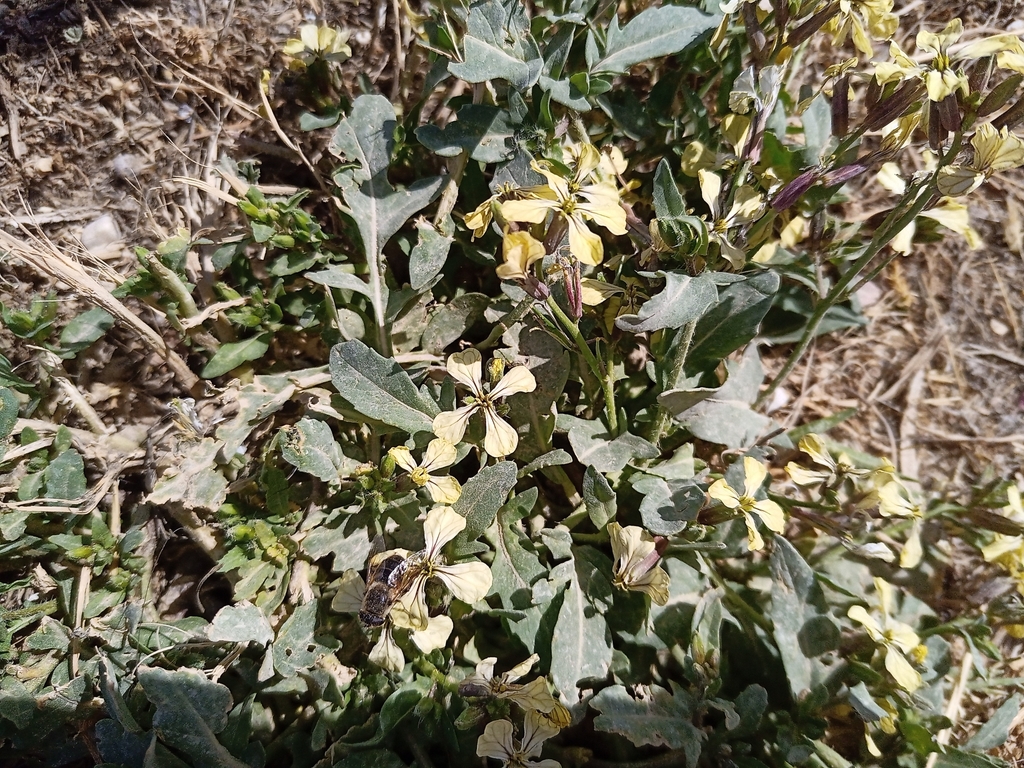
Arugula is a peppery, fast growing salad green that thrives in cooler weather. It is a staple in many gardens because it is simple to grow from seed. You can harvest the leaves young for a milder flavor or let them grow larger for a sharper bite.
De un vistazo
- Care level
- Easy
- Plant type
- Annual vegetable
- Light
- Full sun to partial shade
- Indoor light
- direct
- Water
- Every 2 to 4 days
- Mature size
- 30 to 60 cm tall
- Growth rate
- fast
- Hardiness
- USDA 3 to 11
- Bloom time
- Late spring to early summer
Cuidados
Keep the soil consistently moist to prevent the leaves from becoming too spicy. Watch for flea beetles which often leave small holes in the foliage. Harvest leaves regularly to encourage new growth and delay bolting.
- Watering
- Keep soil evenly moist but not waterlogged.
- Feeding
- Apply a balanced organic fertilizer once during the growing season.
- Pruning
- Regularly harvest outer leaves to encourage continuous production.
- Repotting
- Arugula is an annual and is typically not repotted.
- Soil
- Well draining, fertile soil
- Soil pH
- 6.0 to 7.0
- Temperature
- 4 to 24°C
- Humidity
- 40 to 60%
- Drought tolerance
- low
- Lifespan
- Annual, typically 3 to 5 months
- Deer and rabbits
- low
Señales de que necesita trasplante
- Roots growing out of the drainage holes.
- Stunted growth despite regular watering.
Seguridad
- People
- This plant is safe for human consumption and is widely used as a salad green.
- Pets
- Arugula is safe for cats and dogs to consume in small amounts.
- Children
- The peppery leaves might be too strong for some children, but there is no specific ingestion risk.
- Contact allergens
- Some people may experience mild skin irritation if they have a sensitivity to mustard family plants.
- Airborne allergens
- There are no notable airborne allergens associated with this plant.
- Edibility
- Always ensure you are harvesting from areas free of chemical pesticides or herbicides.
Cómo identificarla
- Deeply lobed, serrated green leaves
- Peppery and pungent aroma
- Small white or yellow flowers
- Low growing basal rosette
- Height
- 0.2 to 0.6m
- Spread
- 0.15 to 0.3m
- Leaves
- green, deciduous
- Flowers
- white, yellow, 1 to 2cm
Problemas frecuentes
- Flea beetles — These tiny insects chew small, round holes in the leaves.
- Downy mildew — Yellow spots appear on leaves, often caused by high humidity.
Cómo cultivarla
- Propagation
- seed
- When to plant
- spring, autumn
- Overwintering
- In mild climates, it can survive the winter, but in colder areas, it is best grown as a spring or fall crop.
- In containers
- Arugula is excellent for containers, requiring a minimum depth of 6 inches for healthy root development.
Direct Sowing
- 1. Prepare a bed with loose, well-draining soil.
- 2. Sow seeds 1/4 inch deep in rows.
- 3. Keep the soil consistently moist until germination.
- 4. Thin seedlings to 4 to 6 inches apart.
Plant arugula in the shade of taller crops like tomatoes to keep it cool and prevent premature bolting.
Buenas compañeras
- Lettuce — They share similar growing requirements and can be harvested together for salads.
- Radish — Radishes grow quickly and help mark rows for the slower-germinating arugula.
Mantenla lejos de
- Strawberries — They have different water and soil needs that make them poor neighbors.
Especies parecidas
- Wild Arugula — It has a more intense flavor and a perennial growth habit compared to the annual Eruca.
Ciencia
- Family
- Brassicaceae
- Genus
- Eruca
- Order
- Brassicales
- Class
- Magnoliopsida
- Native range
- Mediterranean region.
- Conservation
- Arugula is a common agricultural crop and is not of conservation concern.
It grows as a cool-season annual, quickly setting seed to ensure survival before summer heat hits.
- Value to wildlife
- nectar source, larval host plant
- Pollinators
- bees, butterflies
- Uses
- culinary salad green, peppery garnish, pesto ingredient
A lo largo del año
Indicadores ecológicos
- Salinity
- 3/9
- Soil reaction
- 7/9
- Light
- 7/9
- Temperature
- 4/9
- Moisture
- 5/9
- Nutrients
- 6/9
Taxonomía cotejada con GBIF.
Lo que más preguntan
- Why is my arugula so spicy?
- Hot weather and plant maturity increase the concentration of mustard oils, making it taste sharper.
- Can I grow this in a pot?
- Yes, it thrives in containers as long as they are at least 6 inches deep.
De dónde viene el nombre
Eruca is the Latin name for this plant, while vesicaria refers to the bladder-like shape of its seed pods.
Bueno saberlo
- Arugula is also known as rocket or roquette.
- It grows very quickly, often ready to harvest in just 4 to 6 weeks.
- The flavor becomes more intense and spicy as the plant matures.
- It is a member of the Brassicaceae family, just like broccoli and kale.
¿Tu arugula tiene mal aspecto?
Esta página es una guía general. Pocket Botanist diagnostica problemas a partir de una foto de tu propia planta, calcula el riego según tu luz y tus condiciones, y te avisa cuando toca cuidarla.
Esta guía se ha generado con IA y se ha cotejado con la taxonomía de GBIF. Es información general, no asesoramiento botánico ni veterinario. Descubre cómo elaboramos estas guías.