 Pocket Botanist
Guía de plantas
Durian.
Durio zibethinus
Pronunciación DOOR-ee-oh zih-beth-EYE-nus
También se conoce como King of Fruits, durian


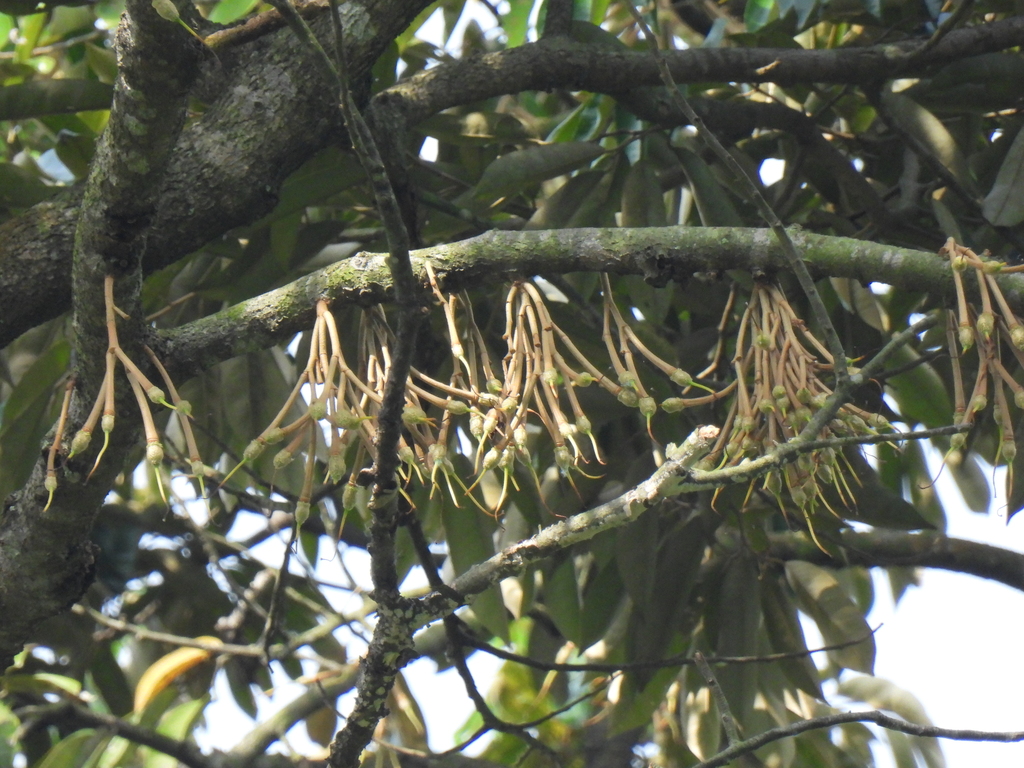
The durian is a massive tropical tree famous for its large, spiky fruit that has a very strong aroma. It thrives in hot, humid climates and requires plenty of space to reach its full potential. You will find it is quite a unique addition to a tropical garden if you have the room.

De un vistazo
- Nivel de cuidados
- Difícil
- Tipo de planta
- Tropical fruit tree
- Luz
- Full sun
- Luz en interior
- Sol directo
- Riego
- Cada 2 a 5 días
- Tamaño adulto
- 30 to 50 meters
- Ritmo de crecimiento
- Medio
- Rusticidad
- USDA 10 a 12
- Floración
- Late spring to early summer
Cuidados
Keep the soil consistently moist and provide high humidity for the best results. Watch for yellowing leaves which often indicate poor drainage or nutrient issues. It needs a frost free environment to survive.
- Riego
- Keep the soil evenly moist but never waterlogged.
- Abonado
- Apply a balanced fertilizer during the active growing season.
- Poda
- Remove dead or crossing branches once a year to maintain tree health.
- Trasplante
- Repot only while the tree is young, as it quickly becomes too large for containers.
- Suelo
- Deep, well drained, rich loam
- pH del suelo
- 5.0 to 6.5
- Temperatura
- 15 a 35°C
- Humedad
- 70 a 90%
- Tolerancia a la sequía
- Baja
- Longevidad
- Perennial, typically 80 to 150 years
- Fragancia
- Intensa
- Resistencia a ciervos y conejos
- Alta
Seguridad
- Personas
- The plant is not toxic, but the sharp spines on the fruit husk can cause injury if handled improperly.
- Niños
- The heavy, spiky fruits can fall from great heights and pose a significant physical hazard to children playing underneath.
- Alérgenos por contacto
- The stiff, sharp spines on the fruit husk can cause skin abrasions.
- Alérgenos en el aire
- There are no notable respiratory allergens associated with this tree.
- Comestibilidad
- The fruit is widely consumed, but it should not be eaten with alcohol as it can cause severe indigestion.
Cómo identificarla
- Large, spiky, woody fruit husks
- Glossy, dark green, oblong leaves
- Creamy, custard like fruit flesh
- Tall, evergreen tropical tree structure
- Altura
- 25 a 50m
- Anchura
- 10 a 20m
- Hojas
- dark green, evergreen
- Flores
- white, cream, 5 a 8cm
- Frutos
- green, brown, Summer to autumn
Problemas frecuentes
- Phytophthora palmivora — A fungal pathogen causing root and stem rot that can kill the tree.
- Fruit borer — Larvae tunnel into the developing fruit and damage the edible pulp.
Cómo cultivarla
- Propagación
- seed, grafting
- Cuándo plantar
- spring, early monsoon
- Cuidados en invierno
- This tree cannot tolerate frost or temperatures below 15 degrees Celsius. Keep it in a consistently warm, frost free environment year round.
Seed propagation
- 1. Extract fresh seeds from a ripe fruit.
- 2. Clean the seeds thoroughly to remove pulp.
- 3. Plant immediately as seeds lose viability quickly.
- 4. Keep the soil moist and warm until germination.
Planting in a diverse orchard helps reduce the spread of soil borne fungal diseases.
Buenas compañeras
- Mangosteen — They share similar requirements for shade and high humidity in their juvenile stages.
- Rambutan — These trees grow well together in mixed tropical orchards.
Especies parecidas
- Durio kutejensis — A smaller, yellow fleshed relative with a milder flavor.
- Durio graveolens — Known for its vibrant red flesh and distinct, nutty taste.
Ciencia
- Familia
- Malvaceae
- Género
- Durio
- Orden
- Malvales
- Clase
- Magnoliopsida
- Distribución natural
- Borneo, Sumatra, and the Malay Peninsula.
- Conservación
- It is not currently listed as endangered, though wild populations are threatened by habitat loss.
It thrives in humid, lowland rainforests where it relies on bats for pollination.
- Valor para la fauna
- nectar source, bat habitat
- Polinizadores
- bats, abejas
- Usos
- culinary fruit, timber, traditional medicine
A lo largo del año
Indicadores ecológicos
- Salinidad
- 1/9
- Reacción del suelo
- 6/9
- Luz
- 8/9
- Temperatura
- 9/9
- Humedad
- 8/9
- Nutrientes
- 7/9
Taxonomía cotejada con GBIF.
Lo que más preguntan
- Can I grow a durian tree in a pot?
- No, the tree grows far too large and requires a deep, tropical root system.
- How long does it take to fruit?
- Seedlings typically take 7 to 10 years to produce their first fruit.
De dónde viene el nombre
The scientific name zibethinus refers to the civet cat, which is said to be attracted to the fruit's scent.
Bueno saberlo
- The name durian comes from the Malay word duri, meaning thorn.
- Durian is often called the king of fruits in Southeast Asia.
- The fruit is banned on public transport in many cities due to its strong smell.
- Some species of durian are pollinated exclusively by cave nectar bats.
También en
¿Tu durian tiene mal aspecto?
Esta página es una guía general. Pocket Botanist diagnostica problemas a partir de una foto de tu propia planta, calcula el riego según tu luz y tus condiciones, y te avisa cuando toca cuidarla.
Esta guía se ha generado con IA y se ha cotejado con la taxonomía de GBIF. Es información general, no asesoramiento botánico ni veterinario. Descubre cómo elaboramos estas guías.