 Pocket Botanist
Guía de plantas
Scarborough lily.
Cyrtanthus 'Blandford' Aiton ex Ker Gawl.
Pronunciación sir-THAN-thus ob-LEE-kwee-us
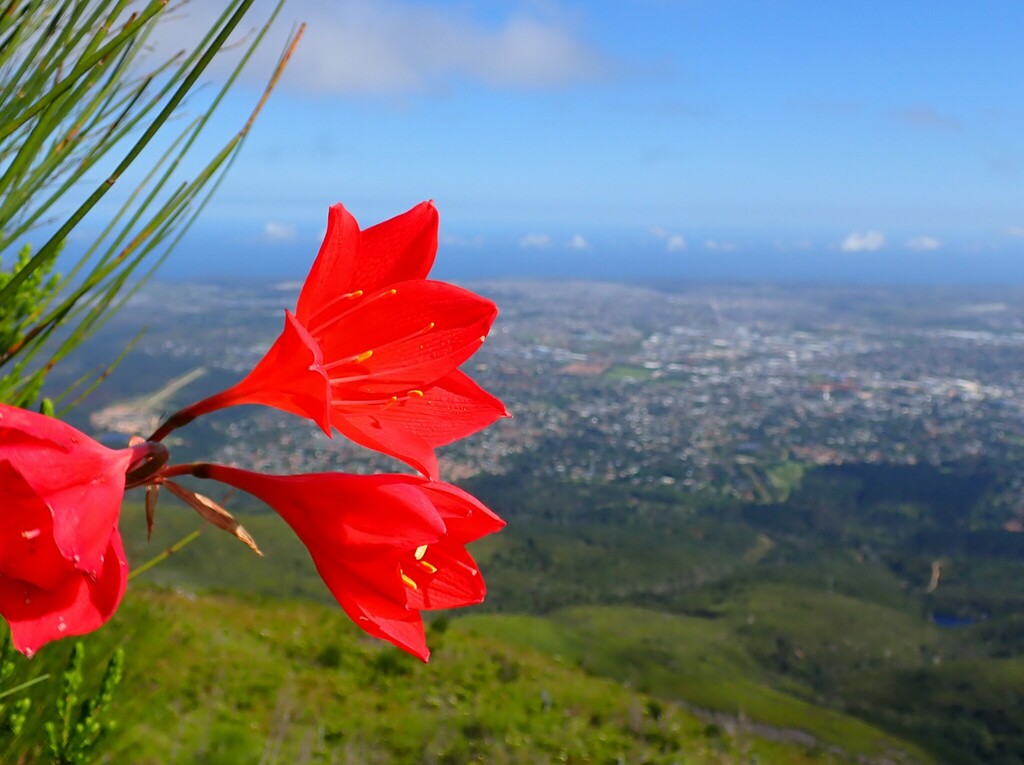
The Scarborough lily is a striking bulbous perennial, known for its vibrant, trumpet-shaped flowers that appear most reliably after a period of drought or fire in its native habitat. It's a beautiful addition to rock gardens or containers, bringing a touch of the tropics with its showy blooms.
De un vistazo
- Care level
- Moderate
- Plant type
- Bulbous perennial
- Light
- Full sun to partial shade
- Indoor light
- bright-indirect
- Water
- Every 7 to 14 days
- Mature size
- Height: 30-60 cm, Spread: 30-45 cm
- Growth rate
- medium
- Hardiness
- USDA 9 to 11
- Bloom time
- Summer to early autumn
Cuidados
Provide a well-draining soil mix and allow the soil to dry out between waterings to encourage blooming. Protect from frost, as it prefers warmer conditions. Deadheading spent blooms can help the plant focus energy on bulb development.
- Watering
- Water thoroughly when the top inch of soil feels dry; allow to dry out more between waterings during its dormant period or when encouraging blooms.
- Feeding
- Feed with a balanced liquid fertilizer diluted by half strength every other month during the growing season.
- Pruning
- Remove any dead or damaged leaves at the base of the plant as needed. Deadhead spent flowers to promote more blooms.
- Repotting
- Repot when the bulbs become crowded or the soil has become depleted, usually every 1-2 years, preferably after flowering.
- Soil
- Well-draining, sandy loam
- Soil pH
- Slightly acidic to neutral (6.0-7.0)
- Temperature
- 10 to 25°C
- Humidity
- 40 to 60%
Seguridad
- Pets
- Non-toxic to cats and dogs.
Cómo identificarla
- Strap-like, arching leaves
- Trumpet-shaped flowers
- Blooms after dry spells
- Bulbous perennial
- Height
- 0.3 to 0.6m
- Spread
- 0.3 to 0.45m
- Leaves
- Green, evergreen
- Flowers
- Red, Orange-red, 5 to 8cm
Cómo cultivarla
- Propagation
- Offsets, Seed
- When to plant
- Spring, Summer
¿Tu scarborough lily tiene mal aspecto?
Esta página es una guía general. Pocket Botanist diagnostica problemas a partir de una foto de tu propia planta, calcula el riego según tu luz y tus condiciones, y te avisa cuando toca cuidarla.
Esta guía se ha generado con IA y se ha cotejado con la taxonomía de GBIF. Es información general, no asesoramiento botánico ni veterinario. Descubre cómo elaboramos estas guías.