 Pocket Botanist
Plant guide
Scarborough lily.
Cyrtanthus 'Blandford' Aiton ex Ker Gawl.
Pronounced sir-THAN-thus ob-LEE-kwee-us
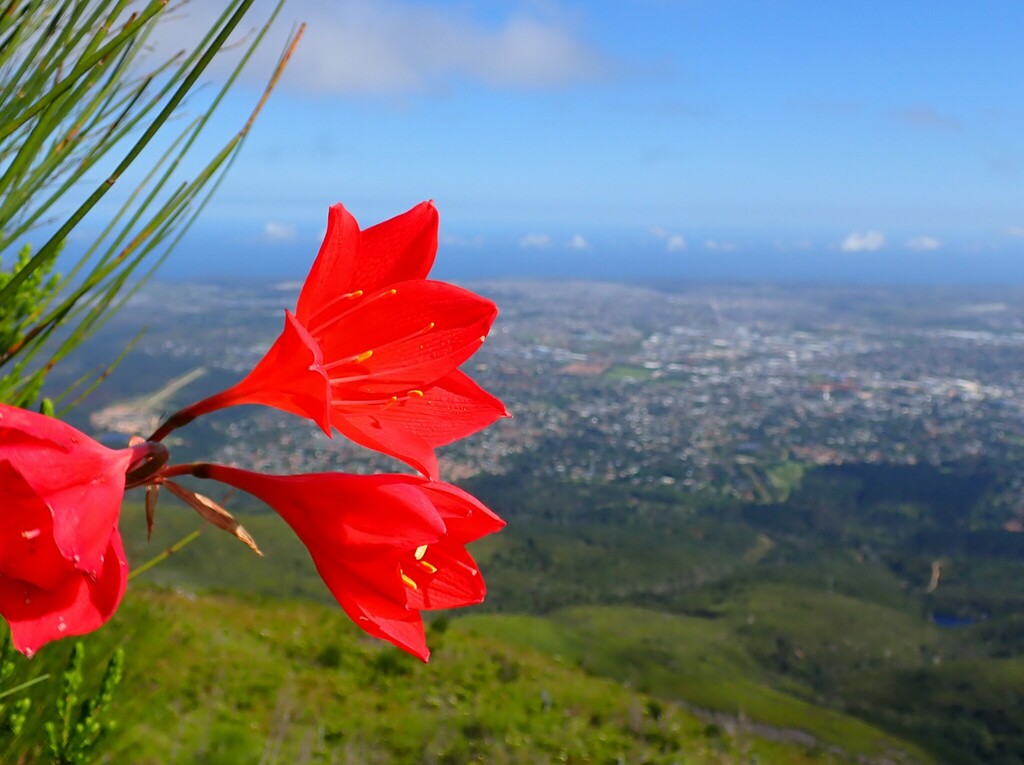
The Scarborough lily is a striking bulbous perennial, known for its vibrant, trumpet-shaped flowers that appear most reliably after a period of drought or fire in its native habitat. It's a beautiful addition to rock gardens or containers, bringing a touch of the tropics with its showy blooms.
At a glance
- Care level
- Moderate
- Plant type
- Bulbous perennial
- Light
- Full sun to partial shade
- Indoor light
- bright-indirect
- Water
- Every 7 to 14 days
- Mature size
- Height: 30-60 cm, Spread: 30-45 cm
- Growth rate
- medium
- Hardiness
- USDA 9 to 11
- Bloom time
- Summer to early autumn
Care
Provide a well-draining soil mix and allow the soil to dry out between waterings to encourage blooming. Protect from frost, as it prefers warmer conditions. Deadheading spent blooms can help the plant focus energy on bulb development.
- Watering
- Water thoroughly when the top inch of soil feels dry; allow to dry out more between waterings during its dormant period or when encouraging blooms.
- Feeding
- Feed with a balanced liquid fertilizer diluted by half strength every other month during the growing season.
- Pruning
- Remove any dead or damaged leaves at the base of the plant as needed. Deadhead spent flowers to promote more blooms.
- Repotting
- Repot when the bulbs become crowded or the soil has become depleted, usually every 1-2 years, preferably after flowering.
- Soil
- Well-draining, sandy loam
- Soil pH
- Slightly acidic to neutral (6.0-7.0)
- Temperature
- 10 to 25°C
- Humidity
- 40 to 60%
Safety
- Pets
- Non-toxic to cats and dogs.
How to identify it
- Strap-like, arching leaves
- Trumpet-shaped flowers
- Blooms after dry spells
- Bulbous perennial
- Height
- 0.3 to 0.6m
- Spread
- 0.3 to 0.45m
- Leaves
- Green, evergreen
- Flowers
- Red, Orange-red, 5 to 8cm
Growing it
- Propagation
- Offsets, Seed
- When to plant
- Spring, Summer
Is your scarborough lily looking unwell?
This page is a general guide. Pocket Botanist diagnoses problems from a photo of your actual plant, works out watering for your light and conditions, and reminds you when care is due.
This guide was generated with AI and checked against GBIF taxonomy. It is general information, not horticultural or veterinary advice. Read about how we build these guides.