 Pocket Botanist
Guía de plantas
Rattlesnake Plant.
Calathea lancifolia
Pronunciación gep-PER-tee-uh in-SIG-nis
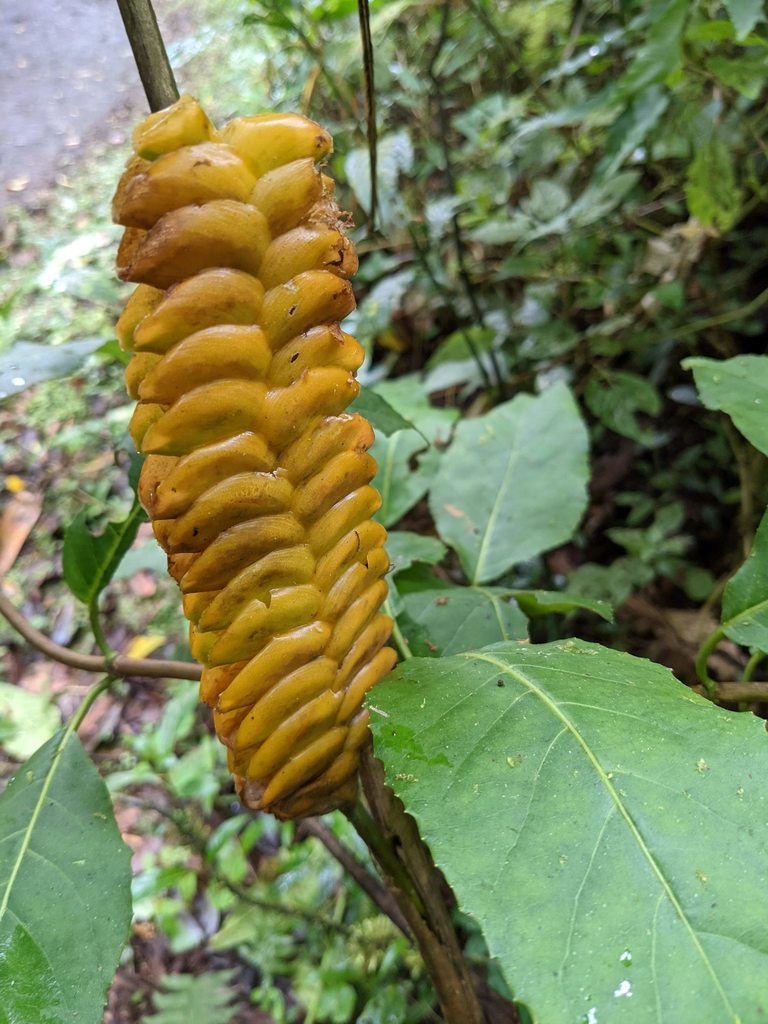
The Rattlesnake Plant is a stunning tropical beauty known for its wavy, lance shaped leaves. It features bold, dark green spots on top and a deep purple underside. This plant adds a touch of the jungle to any indoor space.
De un vistazo
- Care level
- Moderate
- Plant type
- Tropical perennial.
- Light
- Bright indirect light, avoid direct sun.
- Indoor light
- bright-indirect
- Water
- Every 5 to 10 days
- Mature size
- Up to 75 cm tall.
- Growth rate
- medium
- Hardiness
- USDA 11 to 12
- Bloom time
- Rarely blooms indoors, but may produce small yellow flowers in summer.
Cuidados
Keep the soil consistently moist but never soggy to prevent root rot. High humidity is essential, so consider using a pebble tray or humidifier. Watch for curling leaves, which often signal that the plant needs more water or higher humidity.
- Watering
- Water when the top inch of soil feels slightly dry.
- Feeding
- Feed with a balanced liquid fertilizer diluted to half strength during the growing season.
- Pruning
- Trim away any yellow or damaged leaves at the base to keep the plant tidy.
- Repotting
- Repot only when the plant becomes root bound.
- Soil
- Well draining, peat based potting mix.
- Soil pH
- Slightly acidic, 5.5 to 6.5.
- Temperature
- 15 to 27°C
- Humidity
- 50 to 80%
- Drought tolerance
- low
- Lifespan
- Perennial, typically 3 to 5 years with proper care.
- Deer and rabbits
- moderate
Señales de que necesita trasplante
- Roots growing out of the drainage holes.
- Water running straight through the pot without soaking in.
- The plant has stopped growing during the active season.
Seguridad
- People
- It is generally considered non toxic to humans, though ingestion of any houseplant is best avoided.
- Pets
- This plant is non toxic to cats and dogs.
- Children
- While non toxic, the long, thin leaves can be a choking hazard if pulled off and placed in a child's mouth.
- Contact allergens
- There are no known significant skin irritants associated with this plant.
- Airborne allergens
- It is not known to be a significant source of airborne allergens.
- Edibility
- This plant is not intended for consumption and may cause digestive upset if ingested.
Cómo identificarla
- Wavy, lance shaped leaves
- Dark green spots on foliage
- Deep purple leaf undersides
- Clumping growth habit
- Height
- 0.45 to 0.75m
- Spread
- 0.3 to 0.6m
- Leaves
- green, purple, evergreen
- Flowers
- yellow, 1 to 3cm
Problemas frecuentes
- Spider mites — These tiny pests thrive in dry air and cause stippling on the leaves.
- Leaf spot — Fungal or bacterial infections often appear as brown spots with yellow halos due to excess moisture.
- Brown leaf edges — This is usually a sign of low humidity or the use of tap water containing fluoride or chlorine.
Cómo cultivarla
- Propagation
- division
- When to plant
- spring, summer
- Overwintering
- Keep the plant away from cold drafts and heating vents during winter. You may need to increase humidity levels as indoor air becomes drier.
- In containers
- It grows very well in containers and prefers a pot that is just large enough to accommodate its root system.
Division
- Gently remove the plant from its pot during the spring.
- Carefully tease the root ball apart into smaller sections.
- Ensure each section has a healthy portion of roots and leaves.
- Pot each division in fresh, well draining soil.
- Water thoroughly and keep in a warm, humid spot.
Group plants with similar humidity needs together to create a small, moist microclimate in your home.
Buenas compañeras
- Peace Lily — They share similar requirements for high humidity and indirect light.
- Ferns — Ferns create a microclimate that helps maintain the moisture levels this plant loves.
Especies parecidas
- Prayer Plant — It is a close relative with similar movement patterns and care needs.
- Pinstripe Calathea — It shares the same genus and preference for high humidity environments.
Ciencia
- Family
- Marantaceae
- Genus
- Goeppertia
- Order
- Zingiberales
- Class
- Liliopsida
- Native range
- Tropical rainforests of Brazil.
- Conservation
- It is not currently listed as endangered, but wild populations are threatened by habitat loss in Brazil.
It grows on the forest floor where it relies on filtered light and high humidity to thrive.
- Uses
- indoor ornamental, air purification, foliage interest
A lo largo del año
Indicadores ecológicos
- Salinity
- 2/9
- Soil reaction
- 6/9
- Temperature
- 7/9
- Moisture
- 7/9
- Light
- 3/9
- Nutrients
- 5/9
Taxonomía cotejada con GBIF.
Lo que más preguntan
- Why are my leaves curling?
- Curling leaves are a classic sign that the plant is thirsty or the humidity is too low.
- Does it need direct sunlight?
- No, it prefers bright, indirect light and will scorch in direct sun.
De dónde viene el nombre
The name lancifolia comes from the Latin words lancea for lance and folium for leaf, describing its shape. It is called the Rattlesnake Plant because the leaf markings resemble the skin of a rattlesnake.
Bueno saberlo
- It is commonly known as the Rattlesnake Plant because of the pattern on its leaves.
- The scientific name lancifolia refers to the lance shaped leaves.
- It belongs to the Marantaceae family, often called prayer plants.
- The underside of the leaves features a striking deep purple color.
¿Tu rattlesnake plant tiene mal aspecto?
Esta página es una guía general. Pocket Botanist diagnostica problemas a partir de una foto de tu propia planta, calcula el riego según tu luz y tus condiciones, y te avisa cuando toca cuidarla.
Esta guía se ha generado con IA y se ha cotejado con la taxonomía de GBIF. Es información general, no asesoramiento botánico ni veterinario. Descubre cómo elaboramos estas guías.