 Pocket Botanist
Guía de plantas
Zarzaparrilla silvestre.
Aralia nudicaulis
Pronunciación uh-RAY-lee-uh noo-dih-KAW-liss
También se conoce como Zarzaparrilla americana, Raíz de conejo, Arbusto disparado, Small-spikenard, Zarzaparrilla de Virginia, Regaliz silvestre, Zarzaparrilla salvaje


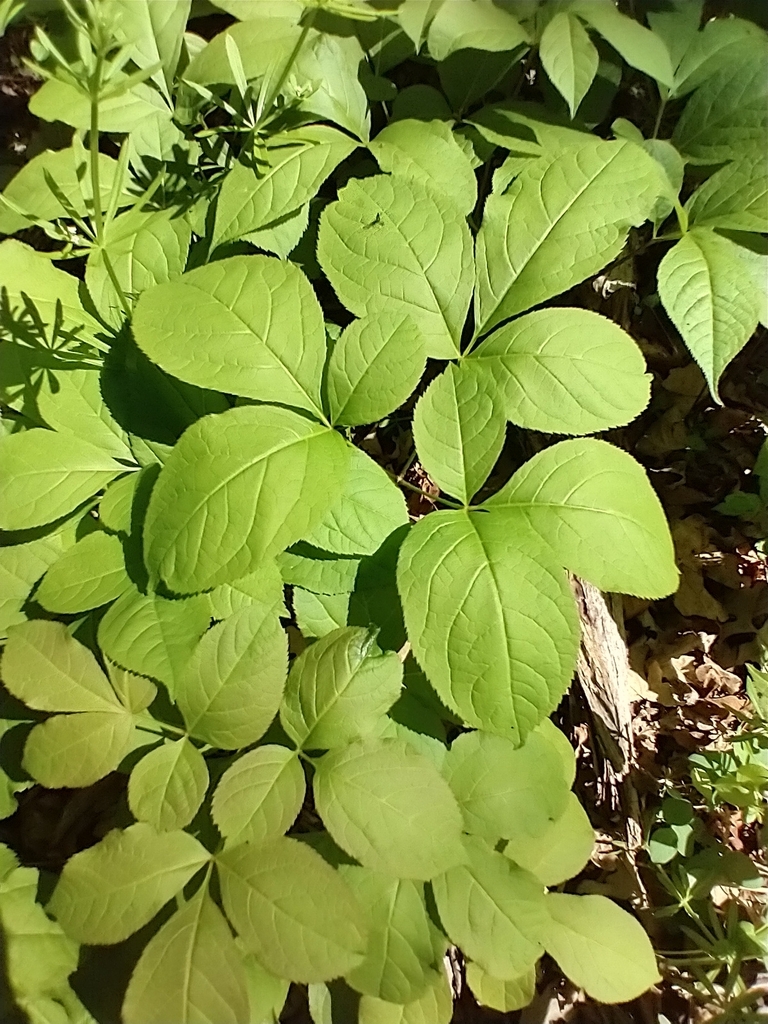
Esta encantadora planta perenne de bosque es nativa de América del Norte y crece a partir de un rizoma rastrero. Normalmente presenta un solo tallo de hoja y un tallo de flor separado que emergen del suelo. Es una excelente opción para lugares de jardín sombreados donde puede extenderse de forma natural.
De un vistazo
- Nivel de cuidados
- Fácil
- Tipo de planta
- Hierba perenne
- Luz
- Sombra parcial a sombra total
- Luz en interior
- Luz media
- Riego
- Cada 3 a 7 días
- Tamaño adulto
- 1 a 2 pies
- Ritmo de crecimiento
- Medio
- Rusticidad
- USDA 3 a 7
- Floración
- Late spring
Cuidados
Mantén la tierra constantemente húmeda para imitar su hábitat natural de suelo de bosque. Vigila si se marchita durante las sequías, lo que indica que necesita más agua. Prefiere las zonas frescas y sombreadas y le costará prosperar a pleno sol.
- Riego
- Mantén la tierra uniformemente húmeda pero nunca encharcada.
- Abonado
- Aplica una capa ligera de compost orgánico a principios de primavera.
- Poda
- Recorta el follaje muerto a finales de otoño, después de que la planta entre en dormancia.
- Trasplante
- Trasplanta solo si los rizomas se aprietan demasiado en su maceta.
- Suelo
- Suelo húmedo, rico en humus y bien drenado
- pH del suelo
- Ácido a neutro
- Temperatura
- -35 a 25°C
- Humedad
- 40 a 70%
- Tolerancia a la sequía
- Baja
- Longevidad
- Perennial, typically many years if undisturbed.
- Resistencia a ciervos y conejos
- Moderada
Señales de que necesita trasplante
- Roots circling the bottom of the pot
- Stunted growth during the spring season
Seguridad
- Personas
- The plant is generally considered non toxic, though raw consumption of large quantities is not recommended.
- Niños
- There are no specific safety concerns for children, though as with any wild plant, ingestion of berries should be discouraged.
- Alérgenos por contacto
- Some individuals may experience mild skin irritation from handling the foliage.
- Alérgenos en el aire
- Pollen is not typically a significant airborne allergen.
- Comestibilidad
- The roots are edible but should be harvested sustainably and identified with absolute certainty to avoid confusion with toxic lookalikes.
Cómo identificarla
- Hoja compuesta única con cinco folletos
- Pequeñas flores de color blanco verdoso en racimos
- Frutos de bayas de color morado oscuro a negro
- Sistema de rizoma rastrero subterráneo
- Altura
- 0,2 a 0,5m
- Anchura
- 0,3 a 0,6m
- Hojas
- green, deciduous
- Flores
- greenish white, 0,5 a 1cm
- Frutos
- dark purple, black, Late summer
Problemas frecuentes
- Leaf spot — Fungal infections can cause dark spots on foliage during humid weather.
Cómo cultivarla
- Propagación
- division, seed
- Cuándo plantar
- spring, autumn
- Cuidados en invierno
- The plant dies back to the ground in autumn, so simply leave the leaf litter in place to provide natural insulation for the dormant rhizomes.
- En maceta
- It is not well suited for containers as it requires the stable cool soil temperatures found in the ground.
Division
- Carefully dig up the rhizome clump in early spring.
- Use a sharp knife to cut the rhizome into sections with at least one bud.
- Replant the sections immediately in moist, rich soil.
Group this plant with other shade loving woodland perennials to create a naturalistic forest floor effect.
Buenas compañeras
- White Trillium — They share similar light and moisture requirements in woodland settings.
- Adiantum pedatum — The delicate textures of both plants complement each other in shade gardens.
Especies parecidas
- Aralia racemosa — It is a larger relative that also enjoys woodland conditions.
Ciencia
- Familia
- Araliaceae
- Género
- Aralia
- Orden
- Apiales
- Clase
- Magnoliopsida
- Distribución natural
- Temperate forests across North America.
- Conservación
- This plant is widespread and not currently of conservation concern.
It thrives in the cool, moist understory of deciduous forests where it relies on rich leaf litter for nutrients.
- Valor para la fauna
- nectar source, provides food for birds
- Polinizadores
- abejas
- Usos
- woodland garden groundcover, culinary flavoring, traditional herbal tea
A lo largo del año
Indicadores ecológicos
- Salinidad
- 1/9
- Reacción del suelo
- 5/9
- Luz
- 2/9
- Temperatura
- 3/9
- Humedad
- 6/9
- Nutrientes
- 5/9
Taxonomía cotejada con GBIF.
Lo que más preguntan
- Does it need full sun?
- No, it prefers partial to full shade and will struggle in direct sun.
- How do I propagate it?
- The easiest way is to divide the rhizomes in early spring.
De dónde viene el nombre
The name nudicaulis means naked stem, referring to the way the flower stalk rises directly from the base separate from the leaves.
Bueno saberlo
- It is a member of the ginseng family.
- The plant spreads slowly via underground rhizomes.
- It is a classic indicator species for healthy, undisturbed deciduous forests.
También en
¿Tu zarzaparrilla silvestre tiene mal aspecto?
Esta página es una guía general. Pocket Botanist diagnostica problemas a partir de una foto de tu propia planta, calcula el riego según tu luz y tus condiciones, y te avisa cuando toca cuidarla.
Esta guía se ha generado con IA y se ha cotejado con la taxonomía de GBIF. Es información general, no asesoramiento botánico ni veterinario. Descubre cómo elaboramos estas guías.