 Pocket Botanist
Pflanzenratgeber
Rue anemone.
Anemonella thalictroides
Aussprache uh-nem-oh-NEL-uh thal-ik-TROY-deez
Auch bekannt als Anemonella thalictroides



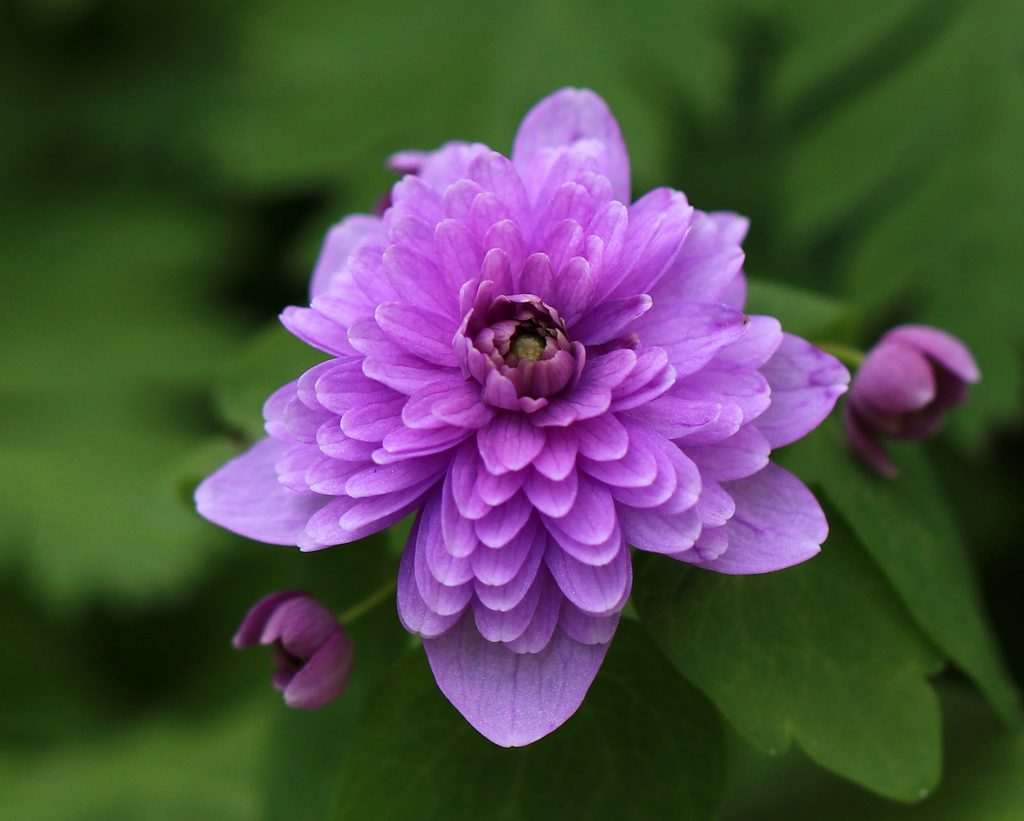
This charming woodland perennial is a true herald of spring. It produces delicate, fern like foliage and dainty white or pink flowers that dance above the leaves. It is a wonderful choice for shaded garden beds.
Auf einen Blick
- Pflegestufe
- Einfach
- Pflanzenart
- Perennial
- Licht
- Partial shade to full shade
- Licht im Innenraum
- Mittleres Licht
- Gießen
- Alle 3 bis 7 Tage
- Endgröße
- 6 to 12 inches
- Wachstum
- Langsam
- Winterhärte
- USDA 4 bis 8
- Blütezeit
- Early to mid spring
Pflege
Plant this beauty in rich, moist soil that mimics its native forest floor habitat. Keep an eye out for wilting if the soil dries out too much during the summer. It prefers to be left undisturbed once established.
- Gießen
- Keep the soil consistently moist but never waterlogged.
- Düngen
- A light application of compost in early spring is plenty.
- Schneiden
- Simply clear away dead foliage once the plant goes dormant in late summer.
- Umtopfen
- Only repot or divide if the plant becomes overcrowded.
- Boden
- Humus rich, well draining soil
- Boden-pH
- Slightly acidic to neutral
- Temperatur
- -30 bis 30°C
- Luftfeuchtigkeit
- 40 bis 70%
Sicherheit
- Menschen
- The plant contains protoanemonin, which can cause skin irritation or internal distress if ingested.
- Kinder
- Keep this plant away from small children as ingestion of any part may cause stomach upset.
- Kontaktallergene
- Handling the foliage may cause mild skin irritation in sensitive individuals.
- Allergene in der Luft
- There are no significant reports of respiratory allergies associated with this plant.
- Essbarkeit
- This plant is not considered edible and should be avoided for consumption.
So erkennst du die Pflanze
- Fern like compound foliage
- Small white or pink flowers
- Delicate branching stems
- Tuberous root system
- Höhe
- 0,1 bis 0,25m
- Breite
- 0,15 bis 0,3m
- Blätter
- green, deciduous
- Blüten
- white, pink, 1 bis 2cm
Häufige Probleme
- Powdery mildew — A fungal growth appearing as white dust on leaves during humid weather.
Standort und Pflege
- Vermehrung
- division, seed
- Pflanzzeit
- spring, autumn
Plant alongside other spring ephemerals to ensure your garden bed remains interesting throughout the season.
Gute Pflanzpartner
- White Trillium — They share the same woodland habitat and bloom timing.
- Virginia bluebells — These plants create a beautiful spring display together in shade gardens.
Ähnliche Arten
- Buschwindröschen — It shares a similar delicate appearance and woodland growth habit.
Botanisches
- Familie
- Ranunculaceae
- Gattung
- Thalictrum
- Ordnung
- Ranunculales
- Klasse
- Magnoliopsida
- Ursprüngliche Heimat
- Eastern North America
- Artenschutz
- It is not currently listed as endangered, but wild populations should be respected and left undisturbed.
It thrives in the rich, moist soil of deciduous forests where it can capture sunlight before the tree canopy fully leafs out.
- Nutzen für Wildtiere
- early season nectar source
- Bestäuber
- Bienen, Schmetterlinge
- Verwendung
- woodland gardens, shade borders, naturalizing
Im Jahresverlauf
Ökologische Zeigerwerte
- Salzgehalt
- 1/9
- Bodenreaktion
- 5/9
- Licht
- 3/9
- Temperatur
- 4/9
- Feuchtigkeit
- 6/9
- Nährstoffe
- 5/9
Taxonomie abgeglichen mit GBIF.
Häufige Fragen
- Why did my plant disappear in summer?
- It is a spring ephemeral and naturally goes dormant once the weather warms up.
- Can I grow this in full sun?
- It prefers dappled shade and will likely struggle or scorch in full, intense sun.
Woher der Name kommt
The genus name Thalictrum comes from the Greek word for a meadow rue, while the species name thalictroides means resembling Thalictrum.
Gut zu wissen
- It is a true spring ephemeral that goes dormant after flowering.
- The flowers lack true petals, using showy sepals instead.
- It is native to the eastern forests of North America.
Auch in
Probleme mit Rue anemone?
Diese Seite bietet allgemeine Infos. Pocket Botanist erkennt Probleme anhand eines Fotos deiner echten Pflanze, passt das Gießen an dein Licht und deinen Standort an und erinnert dich an die Pflege.
Dieser Ratgeber wurde mit KI erstellt und mit der GBIF-Taxonomie abgeglichen. Er dient zur allgemeinen Information und ersetzt keine gärtnerische oder tierärztliche Beratung. Hier erfährst du, wie wir diese Ratgeber erstellen.