 Pocket Botanist
Pflanzenratgeber
Curly dock.
Rumex crispus
Aussprache RU-mex KRIS-pus
Auch bekannt als Curled Dock, Curly Dock, Narrowleaf Dock, Sour Dock, Yellow Dock, curly-leaved dock


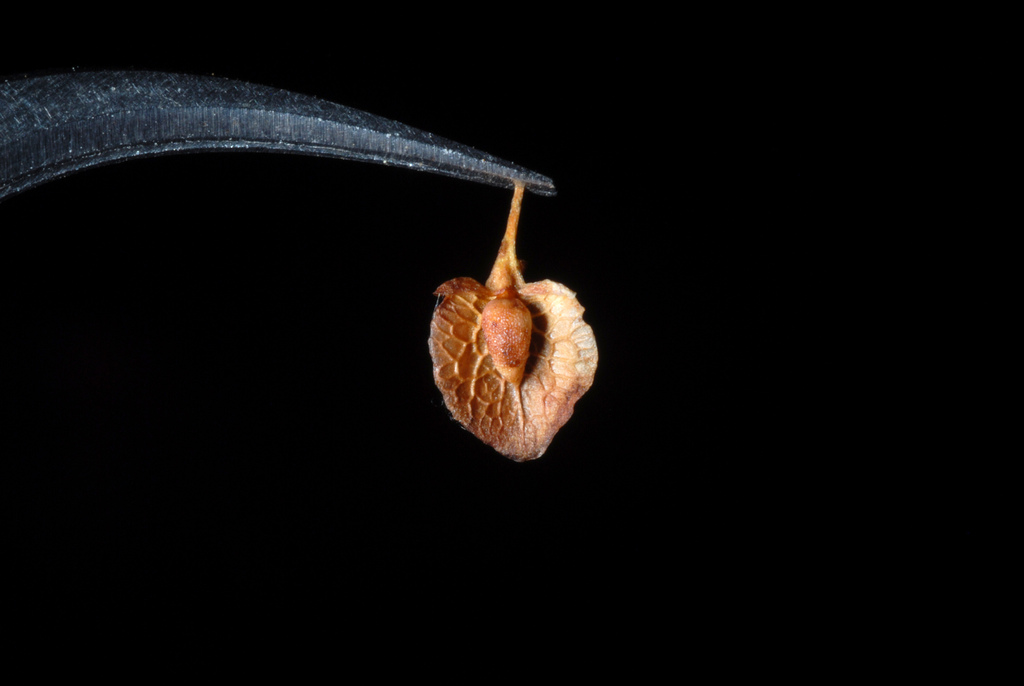
Curly dock is a perennial herbaceous plant known for its long, wavy-edged leaves and medicinal uses. It often appears as a common weed in disturbed areas and fields.
Auf einen Blick
- Care level
- Easy
- Plant type
- Herbaceous perennial
- Light
- Full sun
- Indoor light
- direct
- Water
- Every 7 to 14 days
- Mature size
- Up to 1.5 meters tall
- Growth rate
- medium
- Hardiness
- USDA 3 to 10
- Bloom time
- Summer
Pflege
Curly dock is a resilient plant that thrives in various conditions. While it can be managed as a weed by diligent removal, its deep taproot makes complete eradication challenging.
- Watering
- Water regularly, allowing soil to dry slightly between waterings.
- Feeding
- Generally not required; it thrives in poor to average soils.
- Pruning
- Remove flower stalks before they go to seed to prevent unwanted spread.
- Repotting
- Rarely needs repotting; it prefers to be slightly root-bound.
- Soil
- Prefers well-drained soils, adaptable to most types
- Soil pH
- Slightly acidic to alkaline
- Temperature
- -30 to 30°C
- Humidity
- 40 to 70%
Sicherheit
- People
- None (edible when cooked, but high in oxalates)
- Pets
- None (edible when cooked, but high in oxalates)
- Edibility
- Roots and leaves are edible when cooked, but should be consumed in moderation due to high oxalic acid content.
So erkennst du die Pflanze
- Deep taproot
- Wavy-edged basal leaves
- Erect flowering stem
- Small, reddish-brown flowers
- Heart-shaped seed clusters
- Height
- 0.3 to 1.5m
- Spread
- 0.3 to 0.6m
- Leaves
- Green, Reddish-green, semi-evergreen
- Flowers
- Greenish, Reddish-brown, 0.1 to 0.3cm
- Fruit
- Brown, Reddish-brown, Summer to Fall
Häufige Probleme
- Aphids — Small, soft-bodied insects that can cluster on new growth and stems, feeding on plant sap.
- Rust — Fungal disease causing orange to reddish-brown spots on leaves and stems.
- Bolting — Premature flowering, often triggered by stress like heat or drought, reducing leaf quality.
Standort und Pflege
- Propagation
- Seed, Root division
- When to plant
- Spring, Fall
Ähnliche Arten
- Broadleaf dock — Similar in growth habit and habitat, but its leaves are broader and less wavy.
- Patience dock — Also a dock species, but it typically has larger, less wavy leaves and is more often cultivated for its edible greens.
Botanisches
- Family
- Polygonaceae
- Genus
- Rumex
- Order
- Caryophyllales
- Class
- Magnoliopsida
- Native range
- Europe and Western Asia
Curly dock is adapted to colonize disturbed soils, where its deep taproot helps it access moisture and nutrients, and its prolific seed production aids in rapid spread.
- Uses
- Medicinal (poultices, infusions), Edible (leaves and roots when cooked), Ecological (soil indicator)
Im Jahresverlauf
Ökologische Zeigerwerte
- Salinity
- 3/9
- Soil reaction
- 6/9
- Light
- 8/9
- Temperature
- 7/9
- Moisture
- 5/9
- Nutrients
- 7/9
Taxonomie abgeglichen mit GBIF.
Häufige Fragen
- Is curly dock edible?
- Yes, the leaves and roots are edible when cooked, but should be consumed in moderation due to their high oxalic acid content.
- How do I get rid of curly dock?
- Consistent hand-pulling of young plants or digging out the taproot before it flowers is the most effective method.
- What kind of soil does curly dock prefer?
- It's adaptable but does best in well-drained soils, tolerating a range of pH levels.
- Is curly dock toxic to pets?
- While edible in moderation for humans, the high oxalic acid content can be problematic for pets if consumed in large quantities.
Woher der Name kommt
The scientific name 'Rumex' comes from the Latin word for sorrel or dock, referring to its sour taste and leaf shape. 'Crispus' is Latin for 'curled', describing the distinctive wavy edges of its leaves.
Gut zu wissen
- It's considered a pioneer species in disturbed soils.
- The high iron content in its roots gave it its common name.
- Indigenous peoples used it for various ailments.
- Its wavy leaves are a distinctive feature.
Geht es deiner curly dock nicht gut?
Diese Seite bietet allgemeine Infos. Pocket Botanist erkennt Probleme anhand eines Fotos deiner echten Pflanze, passt das Gießen an dein Licht und deinen Standort an und erinnert dich an die Pflege.
Dieser Ratgeber wurde mit KI erstellt und mit der GBIF-Taxonomie abgeglichen. Er dient zur allgemeinen Information und ersetzt keine gärtnerische oder tierärztliche Beratung. Hier erfährst du, wie wir diese Ratgeber erstellen.