 Pocket Botanist
Pflanzenratgeber
Turkey tangle fogfruit.
Phyla nodiflora
Aussprache FY-luh noh-dih-FLOR-uh
Auch bekannt als Capeweed, Frogfruit, Lipia, Sawtooth Frogfruit, Texas frogfruit, Turkey Tangle Frogfruit, Turkey tangle fogfruit, carpetweed



This charming groundcover is a fantastic native alternative to traditional turf grass. It spreads quickly to form a dense, low mat that can handle light foot traffic. You will love the tiny, nectar-rich flowers that attract pollinators all season long.
Auf einen Blick
- Pflegestufe
- Einfach
- Pflanzenart
- Perennial groundcover
- Licht
- Full sun to partial shade
- Licht im Innenraum
- Direkte Sonne
- Gießen
- Alle 3 bis 7 Tage
- Endgröße
- 3 to 6 inches tall
- Wachstum
- Schnell
- Winterhärte
- USDA 7 bis 11
- Blütezeit
- Late spring to early autumn
Pflege
Plant this in a sunny spot and keep the soil consistently moist until it establishes its roots. Watch for yellowing leaves, which often signal that the plant is getting too much water or needs a bit more drainage. It is quite resilient, but keep an eye out for invasive weeds that might try to crowd it out while it is spreading.
- Gießen
- Keep the soil evenly moist, especially during the first few months after planting.
- Düngen
- A light application of balanced fertilizer in the spring helps keep the foliage lush.
- Schneiden
- Trim back the edges if it starts growing into areas where you do not want it.
- Umtopfen
- If growing in a container, move it to a larger pot once the roots fill the current space.
- Boden
- Well-draining, sandy, or loamy soil
- Boden-pH
- 6.0 to 8.0
- Temperatur
- -10 bis 40°C
- Luftfeuchtigkeit
- 30 bis 80%
- Trockenheitstoleranz
- Hoch
- Lebensdauer
- Perennial, typically 3 to 5 years
- Wildverbiss-Resistenz
- Mittel
Anzeichen fürs Umtopfen
- Roots growing out of the drainage holes.
- Water sitting on the surface too long.
- Growth slowing significantly.
Sicherheit
- Menschen
- There are no reports of significant human toxicity for this species.
- Kinder
- The plant is not known to be dangerous to children, but it is best to discourage ingestion of any non food plant.
- Kontaktallergene
- Some individuals may experience mild skin irritation from handling the foliage.
- Allergene in der Luft
- The pollen may cause mild reactions in sensitive individuals during peak bloom.
- Essbarkeit
- This plant is not considered edible and should not be consumed.
So erkennst du die Pflanze
- Small, spoon-shaped serrated leaves
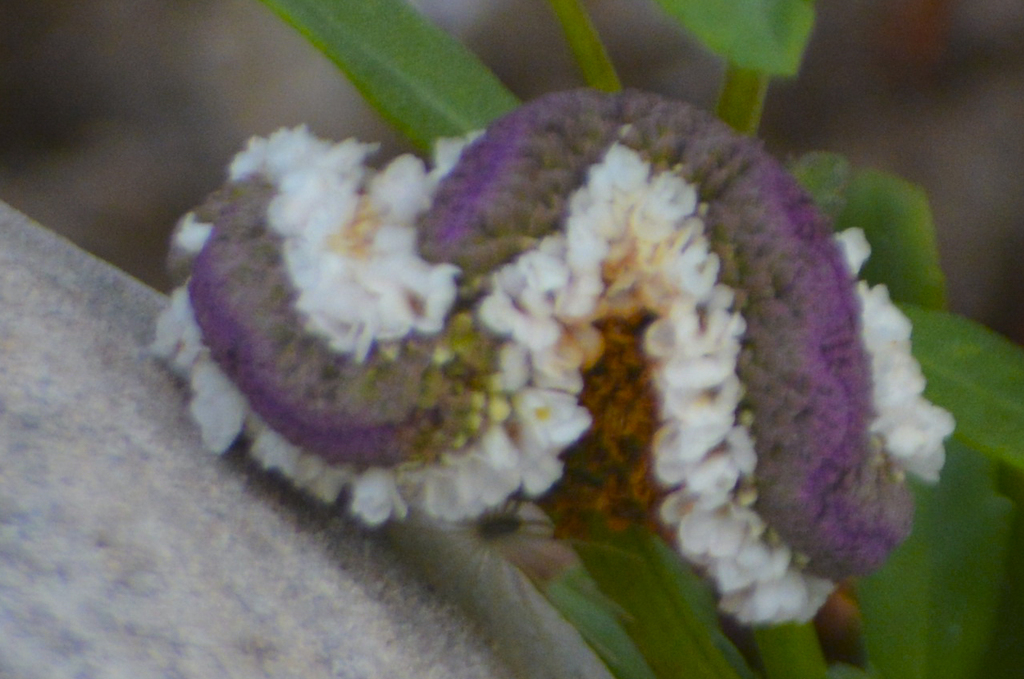
- Tiny white to pinkish flower clusters
- Low growing, creeping habit
- Forms dense, carpet-like mats
- Höhe
- 0,02 bis 0,08m
- Breite
- 0,3 bis 1m
- Blätter
- green, bronze, semi-evergreen
- Blüten
- white, pink, lavender, 0,5 bis 1cm
Häufige Probleme
- Root rot — Occurs when the soil remains waterlogged for extended periods.
Standort und Pflege
- Vermehrung
- division, cuttings, seed
- Pflanzzeit
- spring, autumn
- Überwinterung
- In colder regions, the foliage may die back to the ground. Simply clear away dead debris in early spring to encourage fresh growth.
- Im Kübel
- It grows well in wide, shallow containers, but ensure the pot has excellent drainage.
Stem Cuttings
- Take a 10 cm cutting from a healthy stem.
- Remove the lower leaves.
- Place in moist soil until roots form.
Division
- Dig up a section of the plant.
- Gently pull apart the rooted stems.
- Replant immediately in a new spot.
Pair this with taller, upright perennials to create a layered look that shades the soil and suppresses weeds.
Gute Pflanzpartner
- Sisyrinchium angustifolium — They share similar moisture needs and provide a nice contrast in texture.
- Indian blanket — They both enjoy full sun and create a colorful, low maintenance landscape.
Ähnliche Arten
- Verbena rigida — It shares a similar growth habit and flower structure.
Botanisches
- Familie
- Verbenaceae
- Gattung
- Phyla
- Ordnung
- Lamiales
- Klasse
- Magnoliopsida
- Ursprüngliche Heimat
- Widespread across tropical and subtropical regions globally.
- Artenschutz
- It is not considered a conservation concern and is often viewed as a common native ground cover.
It thrives in moist, disturbed areas and spreads rapidly via creeping stems that root at the nodes.
- Nutzen für Wildtiere
- nectar source, ground cover habitat
- Bestäuber
- Bienen, Schmetterlinge
- Verwendung
- ground cover, lawn alternative, erosion control, pollinator garden
Im Jahresverlauf
Ökologische Zeigerwerte
- Salzgehalt
- 3/9
- Bodenreaktion
- 6/9
- Licht
- 7/9
- Temperatur
- 7/9
- Feuchtigkeit
- 5/9
- Nährstoffe
- 4/9
Taxonomie abgeglichen mit GBIF.
Häufige Fragen
- Can I walk on it?
- Yes, it tolerates light to moderate foot traffic.
- Does it need much water?
- Once established, it is quite drought tolerant.
Woher der Name kommt
The name Phyla comes from the Greek word for tribe, referring to the clustered flowers, while nodiflora means node flowering.
Gut zu wissen
- It is a member of the verbena family.
- The flowers look like tiny, cute matchsticks.
- It can grow in both sandy and clay soils.
- It is a larval host for several butterfly species.
Auch in
Probleme mit Turkey tangle fogfruit?
Diese Seite bietet allgemeine Infos. Pocket Botanist erkennt Probleme anhand eines Fotos deiner echten Pflanze, passt das Gießen an dein Licht und deinen Standort an und erinnert dich an die Pflege.
Dieser Ratgeber wurde mit KI erstellt und mit der GBIF-Taxonomie abgeglichen. Er dient zur allgemeinen Information und ersetzt keine gärtnerische oder tierärztliche Beratung. Hier erfährst du, wie wir diese Ratgeber erstellen.