 Pocket Botanist
Plant guide
Yucca Cane.
Yucca elephantipes
Pronounced YUK-uh jy-GAN-tee-uh
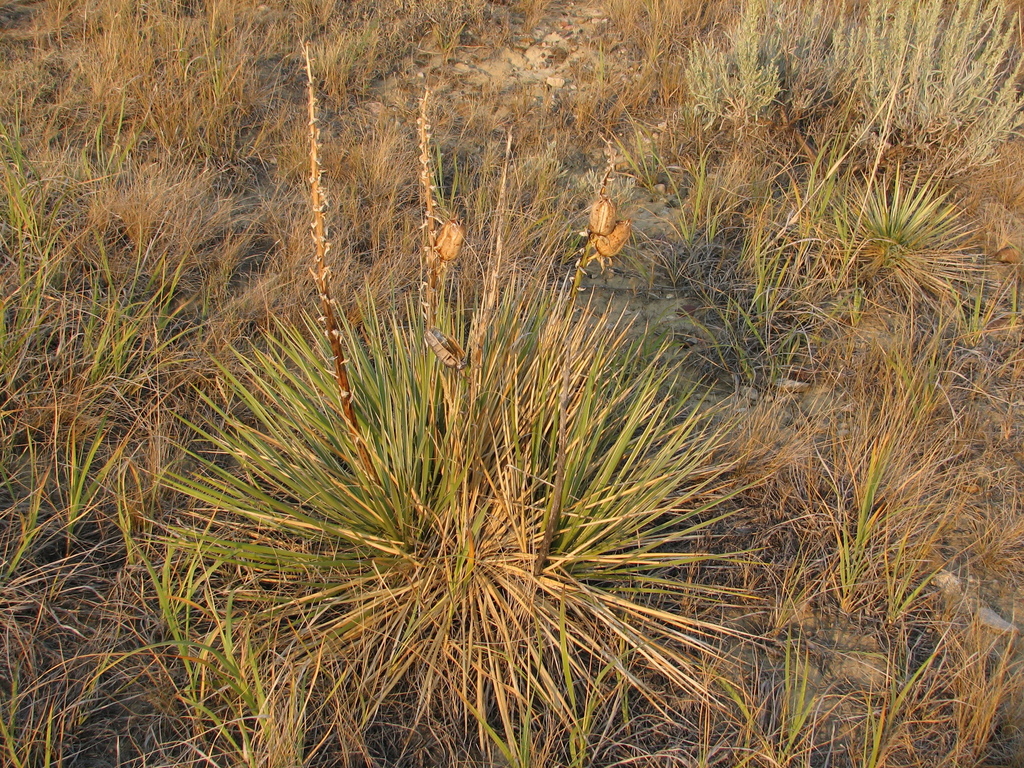
The spineless yucca is a fantastic, architectural houseplant that adds a touch of the desert to your home. It features thick, woody stems topped with rosettes of sword shaped leaves. This plant is quite tough and handles indoor conditions with ease.
At a glance
- Care level
- Easy
- Plant type
- Succulent shrub
- Light
- Bright indirect light is best, though it tolerates some direct sun.
- Indoor light
- bright-indirect
- Water
- Every 14 to 21 days
- Mature size
- Up to 2 meters indoors
- Growth rate
- slow
- Hardiness
- USDA 9 to 11
- Bloom time
- Rarely blooms indoors, but produces white flowers in summer if outdoors.
Care
Let the soil dry out significantly between waterings to prevent root rot. Wipe the leaves occasionally to keep them free of dust so the plant can photosynthesize efficiently. Watch for yellowing leaves, which often indicate overwatering.
- Watering
- Allow the top half of the soil to dry out completely before watering again.
- Feeding
- Feed with a balanced liquid fertilizer during the growing season.
- Pruning
- Trim back the top of the cane if the plant becomes too tall for your space.
- Repotting
- Repot only when the plant becomes top heavy or root bound.
- Soil
- Well draining cactus or succulent mix
- Soil pH
- 6.0 to 7.5
- Temperature
- 10 to 27°C
- Humidity
- 20 to 50%
- Drought tolerance
- high
- Lifespan
- Perennial, typically 20 plus years.
- Deer and rabbits
- high
Signs it needs repotting
- Roots growing out of the drainage holes.
- The plant becomes top heavy and unstable.
- Water runs straight through the pot without soaking in.
Safety
- People
- The plant contains saponins which are toxic if ingested in large quantities.
- Pets
- This plant is toxic to cats and dogs if ingested, as it contains saponins.
- Children
- Keep this plant away from small children because the leaves are tough and fibrous, posing a potential choking hazard if chewed.
- Contact allergens
- The sap can cause skin irritation or dermatitis in sensitive individuals.
- Airborne allergens
- There are no significant airborne allergen reports for this species.
- Edibility
- While the flowers and flower stalks are edible when cooked, the leaves and roots contain saponins that can cause significant digestive distress if ingested.
How to identify it
- Thick woody cane stems
- Sword shaped leathery leaves
- Leaves lack sharp terminal spines
- Rosette leaf arrangement
- Slow growing upright habit
- Height
- 0.9 to 2.5m
- Spread
- 0.45 to 1.2m
- Leaves
- dark green, evergreen
- Flowers
- white, cream, 3 to 5cm
Common problems
- Root rot — This occurs when the plant sits in waterlogged soil for too long.
- Scale insects — These small pests appear as brown bumps on the stems and leaves.
- Leaf spot — Fungal or bacterial spots develop on leaves due to high humidity and poor airflow.
Growing it
- Propagation
- cuttings, division
- When to plant
- spring, summer
- Overwintering
- Move the plant indoors before the first frost if you live in a cold climate. Reduce watering significantly during the winter months.
- In containers
- It grows very well in containers, provided you use a heavy pot to prevent it from tipping over as it grows tall.
Stem Cuttings
- Cut a healthy section of the stem.
- Let the cut end callous over for a few days.
- Place the cutting in well draining soil.
- Keep the soil barely moist until roots form.
Group plants with similar water needs to make maintenance easier.
Grows well with
- Snake Plant — They share similar low water and light requirements.
- Aloe Vera — Both plants thrive in well draining soil and sunny spots.
Keep away from
- Peace Lily — Peace lilies require much higher moisture levels than this yucca.
Similar species
- Spanish Dagger — It has a similar growth habit but features very sharp leaf tips.
Science
- Family
- Asparagaceae
- Genus
- Yucca
- Order
- Asparagales
- Class
- Liliopsida
- Native range
- Mexico and Central America.
- Conservation
- This species is not currently listed as endangered, but wild populations should be respected and not harvested.
It grows in dry, rocky areas where its succulent stems store water to survive long periods of drought.
- Value to wildlife
- nectar source
- Pollinators
- moths
- Uses
- ornamental houseplant, architectural focal point, xeriscaping
Through the year
Ecological indicators
- Salinity
- 2/9
- Soil reaction
- 6/9
- Light
- 7/9
- Temperature
- 7/9
- Moisture
- 2/9
- Nutrients
- 3/9
Taxonomy resolved against GBIF.
Questions people ask
- How often should I water it?
- Let the soil dry out completely between waterings to avoid root rot.
- Does it need direct sun?
- It prefers bright, indirect light but can tolerate some direct sun.
Where the name comes from
The name elephantipes comes from the Latin words for elephant and foot, describing the swollen base of the mature stem.
Good to know
- It is native to Mexico and Central America.
- The name elephantipes refers to the base of the trunk which resembles an elephant foot.
- It is a very popular choice for indoor decor because it handles low light better than other yuccas.
- It can grow quite tall, sometimes reaching 30 feet in its natural habitat.
Is your yucca cane looking unwell?
This page is a general guide. Pocket Botanist diagnoses problems from a photo of your actual plant, works out watering for your light and conditions, and reminds you when care is due.
This guide was generated with AI and checked against GBIF taxonomy. It is general information, not horticultural or veterinary advice. Read about how we build these guides.