 Pocket Botanist
Plant guide
Yellow Pea.
Lotus ceroides L.
Pronounced LO-tus seh-ROY-deez
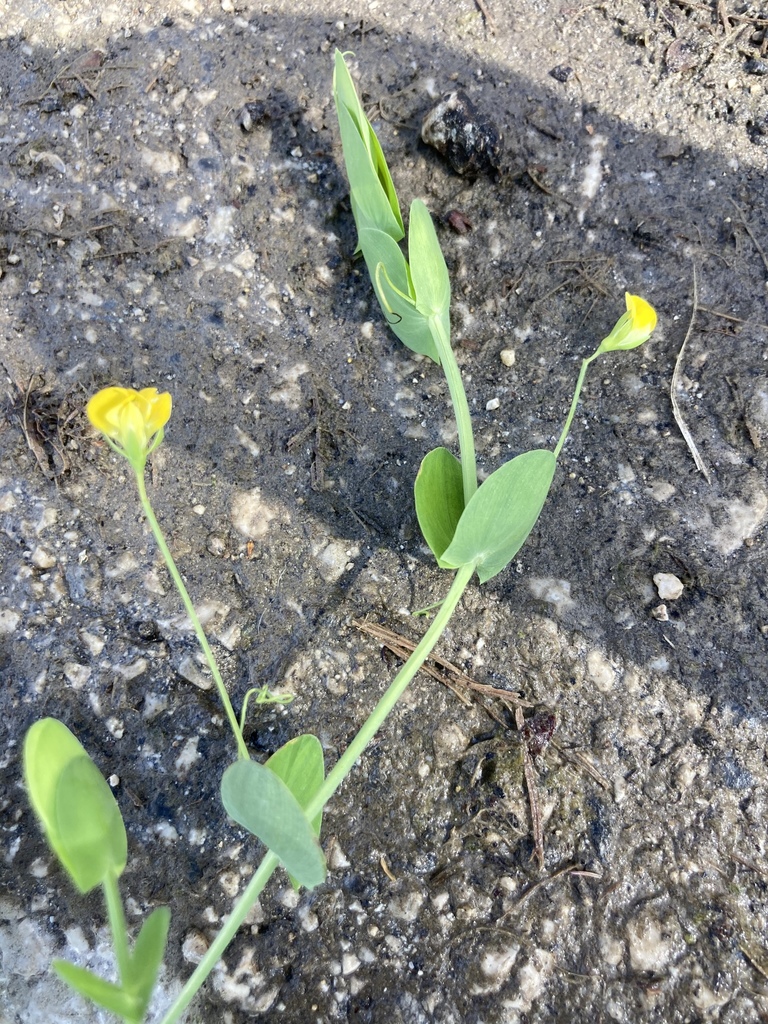
The Yellow Pea is a charming, low growing legume that thrives in sunny, open spaces. It produces bright, cheerful blooms that add a splash of color to rocky or sandy soils. It is a hardy choice for gardeners looking for a resilient, drought tolerant ground cover.
At a glance
- Care level
- Easy
- Plant type
- Perennial herb
- Light
- Full sun
- Indoor light
- direct
- Water
- Every 7 to 14 days
- Mature size
- 15cm height, 45cm spread
- Growth rate
- medium
- Hardiness
- USDA 8 to 10
- Bloom time
- Late spring to early summer
Care
Plant this in well draining soil to prevent root rot. Keep an eye out for aphids during the spring growth spurt. It prefers minimal disturbance once established in its permanent spot.
- Watering
- Allow the soil to dry out significantly between waterings.
- Feeding
- Use a light, balanced fertilizer once during the spring.
- Pruning
- Trim back lightly after flowering to encourage a tidy shape.
- Repotting
- Repot only when the plant becomes root bound.
- Soil
- Sandy, rocky, or well draining loam
- Soil pH
- Neutral to slightly alkaline
- Temperature
- -5 to 35°C
- Humidity
- 20 to 50%
- Drought tolerance
- high
- Lifespan
- Perennial, typically 3 to 7 years.
- Deer and rabbits
- moderate
Signs it needs repotting
- Roots circling the bottom of the pot.
- Water running straight through without moistening the soil.
- Stunted growth during the active season.
Safety
- People
- The plant contains compounds that can be harmful if ingested in significant quantities.
- Pets
- This plant is generally considered non-toxic to cats and dogs.
- Children
- Keep this plant away from small children due to the potential toxicity of its seeds and foliage.
- Contact allergens
- No specific skin irritation is widely reported, but handle with care as with all wild legumes.
- Airborne allergens
- Pollen may cause mild reactions in sensitive individuals during the blooming season.
- Edibility
- This plant is not considered edible and may contain toxic alkaloids common in the genus.
How to identify it
- Small, bright yellow pea-like flowers
- Compound leaves with small leaflets
- Low growing, spreading habit
- Drought tolerant, hairy foliage
- Height
- 0.05 to 0.15m
- Spread
- 0.2 to 0.45m
- Leaves
- green, evergreen
- Flowers
- yellow, 1 to 2cm
Common problems
- Root rot — This occurs if the soil remains too wet for extended periods.
- Aphids — Small insects may cluster on tender new growth during the spring.
Growing it
- Propagation
- seed, cuttings
- When to plant
- spring, autumn
- Overwintering
- Keep the plant dry during the winter months to prevent root rot. Ensure it is protected from excessive freezing rain.
- In containers
- It grows well in deep, well draining terracotta pots that allow for excellent airflow.
Seed sowing
- Scarify the hard seed coat lightly with sandpaper.
- Soak seeds in warm water for 12 hours.
- Sow in a sandy, well draining seed starting mix.
- Keep in a bright, warm location until germination.
Pair it with other drought tolerant, sun loving Mediterranean plants to ensure all species thrive together.
Grows well with
- Lavender — They share similar requirements for full sun and excellent drainage.
- Thyme — This low growing herb acts as a great ground cover alongside it.
Keep away from
- Hostas — Hostas require too much moisture and shade compared to this plant.
Similar species
- Bird's foot trefoil — It is a more common relative with a similar growth habit and flower structure.
Science
- Native range
- Mediterranean region, specifically rocky coastal areas.
- Conservation
- This species is considered rare and should never be collected from the wild.
It survives by fixing nitrogen in nutrient poor soils, allowing it to colonize harsh, rocky environments.
- Value to wildlife
- nectar source
- Pollinators
- bees, butterflies
- Uses
- rock garden specimen, native plant restoration
Through the year
Ecological indicators
- Salinity
- 4/9
- Soil reaction
- 7/9
- Light
- 8/9
- Temperature
- 6/9
- Moisture
- 2/9
- Nutrients
- 2/9
Questions people ask
- Is it easy to grow?
- It requires very specific drainage and light conditions to thrive.
- Does it need fertilizer?
- No, it prefers lean, nutrient poor soil.
Where the name comes from
The genus name Lotus comes from the Greek word for a variety of fodder plants, while the species name ceroides refers to its waxy appearance.
Good to know
- It belongs to the pea family, Fabaceae.
- The flowers are typically a soft, creamy yellow.
- It is highly adapted to poor, rocky soils.
Is your yellow pea looking unwell?
This page is a general guide. Pocket Botanist diagnoses problems from a photo of your actual plant, works out watering for your light and conditions, and reminds you when care is due.
This guide was generated with AI and checked against GBIF taxonomy. It is general information, not horticultural or veterinary advice. Read about how we build these guides.