 Pocket Botanist
Plant guide
Lisianthus.
Eustoma grandiflorum
Pronounced yoo-STOH-muh gran-dih-FLOR-um
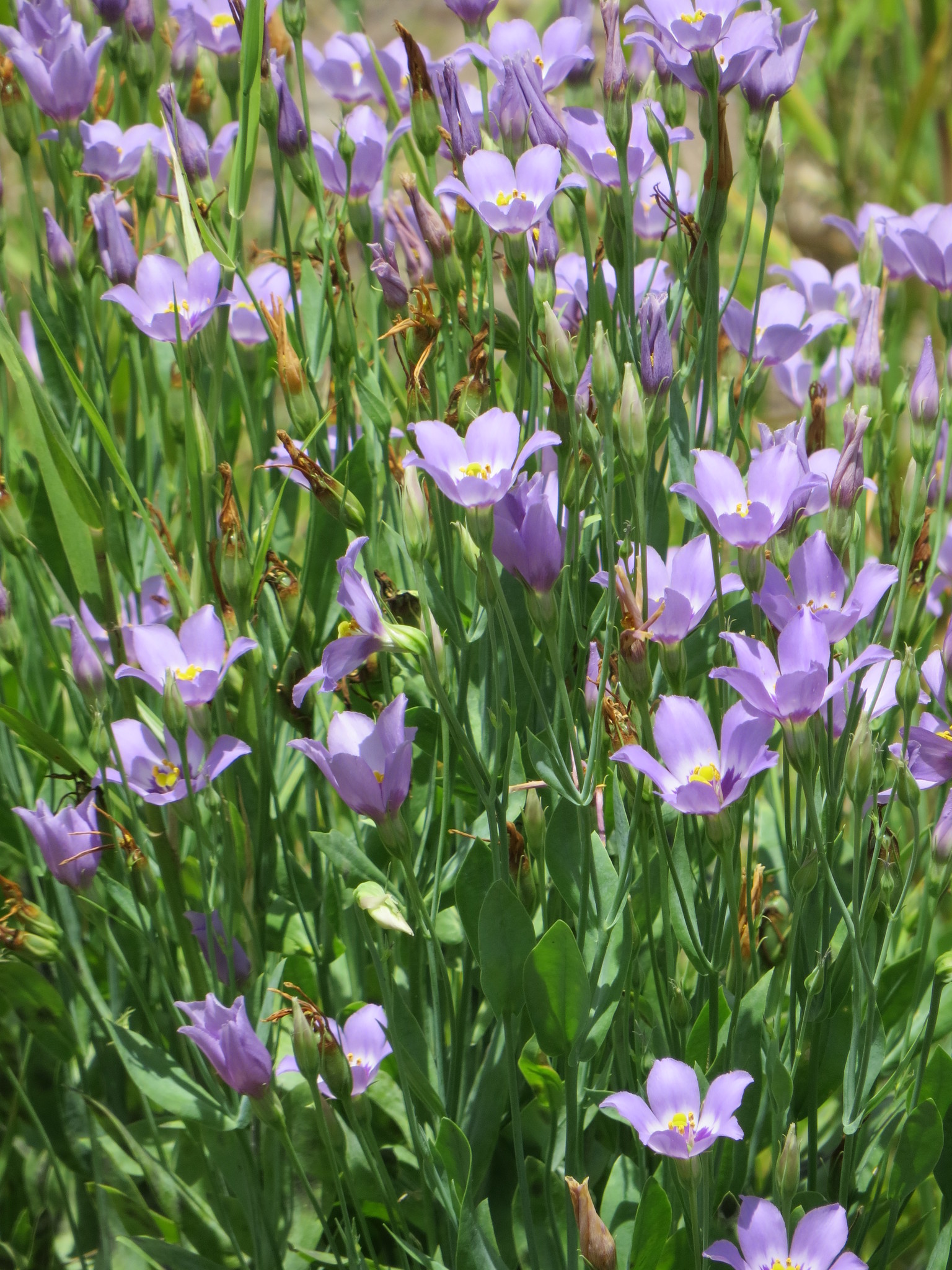
Lisianthus are stunning annuals that produce delicate, rose-like blooms on tall, sturdy stems. They're prized for their long vase life and elegant appearance in gardens. While they can be a bit fussy, their beauty makes them well worth the effort.
At a glance
- Care level
- Difficult
- Plant type
- Annual
- Light
- Full sun to partial shade
- Indoor light
- bright-indirect
- Water
- Every 3 to 7 days
- Mature size
- 60 to 90 cm tall
- Growth rate
- medium
- Hardiness
- USDA 8 to 10
- Bloom time
- Mid summer to early autumn
Care
Keep the soil consistently moist but never soggy, as these plants are prone to root rot. Provide good air circulation to prevent fungal issues and watch for yellowing leaves which often signal overwatering. Deadhead spent blooms to encourage more flowers throughout the season.
- Watering
- Water when the top inch of soil feels dry to the touch.
- Feeding
- Feed with a balanced liquid fertilizer every two weeks during the active growing season.
- Pruning
- Regularly remove faded flowers to promote continuous blooming.
- Repotting
- Usually grown as an annual, so repotting is rarely necessary.
- Soil
- Well-draining, fertile, loamy soil
- Soil pH
- 6.5 to 7.0
- Temperature
- 15 to 25°C
- Humidity
- 40 to 60%
- Drought tolerance
- low
- Lifespan
- Short-lived perennial, often grown as an annual.
- Deer and rabbits
- moderate
Signs it needs repotting
- Roots growing out of the drainage holes.
- Water running straight through the pot without soaking in.
- Stunted growth despite regular feeding.
Safety
- People
- The plant is generally considered non-toxic, but ingestion is not recommended.
- Pets
- Lisianthus is generally considered non-toxic to cats and dogs.
- Children
- Keep out of reach of small children to prevent accidental ingestion of plant parts.
- Contact allergens
- No specific skin irritants are known, but handling with clean hands is always best.
- Airborne allergens
- There are no significant reports of airborne allergens associated with this species.
- Edibility
- This plant is not intended for consumption and may cause digestive upset.
How to identify it
- Rose-like, funnel-shaped flowers
- Glaucous, blue-green foliage
- Opposite, ovate leaves
- Tall, upright flowering stems
- Height
- 0.3 to 0.9m
- Spread
- 0.15 to 0.3m
- Leaves
- blue-green, deciduous
- Flowers
- purple, pink, white, blue, 5 to 8cm
Common problems
- Botrytis blight — A fungal infection that causes gray mold on petals and leaves in humid conditions.
- Aphids — Small insects that suck sap from new growth and can spread viruses.
- Root rot — Occurs when soil remains too wet for too long, causing roots to decay.
Growing it
- Propagation
- seed
- When to plant
- spring
- Overwintering
- In colder climates, bring containers indoors to a bright, cool spot or treat as an annual. If in the ground, provide a thick layer of mulch to protect the roots from freezing temperatures.
- In containers
- Lisianthus grows well in containers at least 8 inches deep, provided they have excellent drainage.
Seed Sowing
- Surface sow seeds in a sterile seed-starting mix.
- Do not cover the seeds as they need light to germinate.
- Maintain high humidity with a plastic cover until sprouts appear.
Pair Lisianthus with plants that have similar water needs to avoid overwatering the delicate root system.
Grows well with
- Lavender — They share similar sun and drainage requirements.
- Snapdragon — They provide a nice contrast in flower shape and height.
Keep away from
- Ferns — Ferns prefer the shade and moisture levels that would likely rot a Lisianthus.
Similar species
- Prairie Gentian — It is a close relative with a similar appearance but is often smaller.
Science
- Family
- Gentianaceae
- Genus
- Eustoma
- Order
- Gentianales
- Class
- Magnoliopsida
- Native range
- Southern United States, Mexico, and northern South America.
- Conservation
- This species is not currently listed as threatened or endangered in its native range.
It naturally grows in prairies and fields where it thrives in well-draining soil with plenty of sun.
- Value to wildlife
- nectar source
- Pollinators
- bees, butterflies
- Uses
- cut flower, container plant, garden border
Through the year
Ecological indicators
- Salinity
- 2/9
- Soil reaction
- 6/9
- Light
- 8/9
- Temperature
- 7/9
- Moisture
- 5/9
- Nutrients
- 6/9
Taxonomy resolved against GBIF.
Questions people ask
- Is Lisianthus hard to grow?
- It can be finicky and prefers consistent moisture and good drainage.
- Do I need to deadhead?
- Yes, removing spent blooms encourages the plant to produce more flowers.
Where the name comes from
The genus name Eustoma comes from the Greek words for good and mouth, referring to the open shape of the flower. Grandiflorum simply means large-flowered.
Good to know
- Lisianthus is often called the poor man's rose because of its ruffled, rose-like petals.
- It is native to warm regions of the southern United States and Mexico.
- The plant is technically a short-lived perennial but is often grown as an annual.
Is your lisianthus looking unwell?
This page is a general guide. Pocket Botanist diagnoses problems from a photo of your actual plant, works out watering for your light and conditions, and reminds you when care is due.
This guide was generated with AI and checked against GBIF taxonomy. It is general information, not horticultural or veterinary advice. Read about how we build these guides.