 Pocket Botanist
Guide botanique
Christmas cactus.
Schlumbergera × bridgesii
Prononciation shloo-mber-GAIR-uh buck-LEE-eye
Aussi appelée Schlumbergera × bridgesii
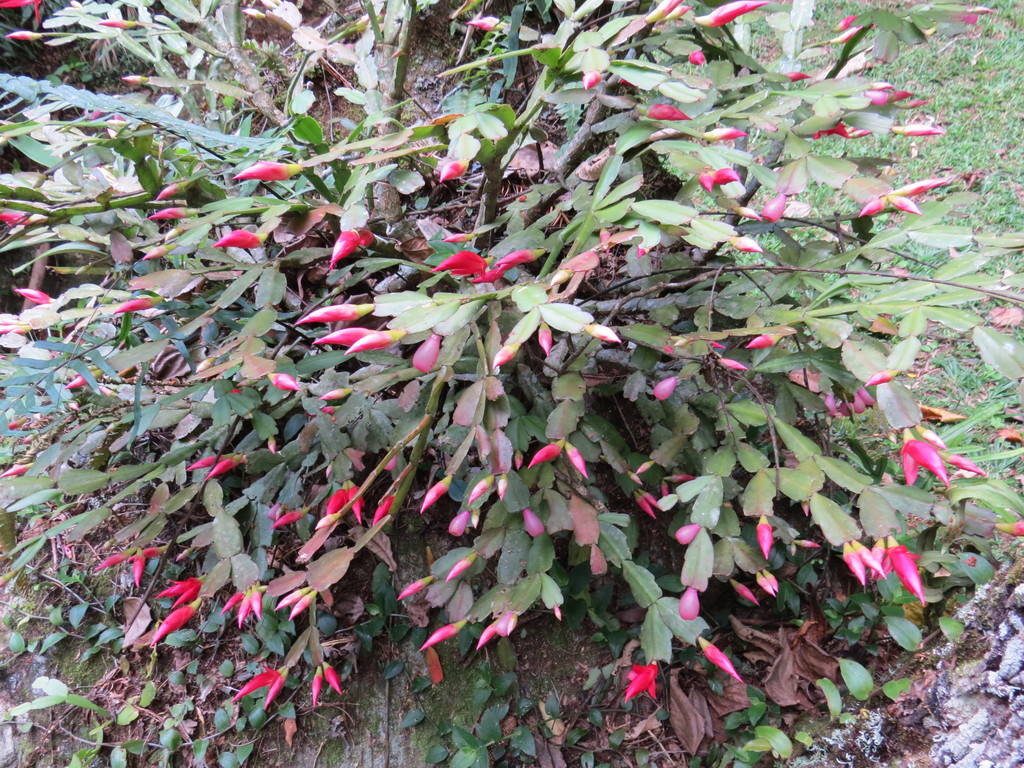
This festive succulent is a favorite for its beautiful, pendulous blooms that arrive right around the holidays. It is actually an epiphyte from the Brazilian rainforest, so it prefers different conditions than your typical desert cactus. With the right care, these plants can live for many decades and become quite large.
En un coup d'œil
- Care level
- Easy
- Plant type
- Epiphytic succulent
- Light
- Bright indirect light, avoid harsh afternoon sun.
- Indoor light
- bright-indirect
- Water
- Every 7 to 14 days
- Mature size
- 30 to 60 cm tall and wide
- Growth rate
- medium
- Hardiness
- USDA 10 to 12
- Bloom time
- Late autumn to mid-winter
Entretien
Keep the soil consistently moist but never soggy, and ensure the pot has excellent drainage. To encourage blooming, provide the plant with cooler temperatures and longer nights starting in autumn. Watch for shriveled leaves, which often indicate the plant is too dry or the roots are struggling.
- Watering
- Water when the top 2 to 3 centimeters of soil feel dry to the touch.
- Feeding
- Use a balanced liquid fertilizer during the active growing season from spring through summer.
- Pruning
- Prune back stems after flowering to encourage a bushier shape and more blooms next season.
- Repotting
- Repot every few years in the spring once the plant has finished blooming.
- Soil
- Well-draining, peat-based potting mix
- Soil pH
- 5.5 to 6.2
- Temperature
- 10 to 25°C
- Humidity
- 50 to 70%
- Drought tolerance
- low
- Lifespan
- Perennial, typically 10 to 20 years or more.
- Deer and rabbits
- moderate
Signes qu'il faut rempoter
- Roots are growing out of the drainage holes.
- The plant has stopped growing despite being in the right season.
- The soil dries out much faster than it used to.
Sécurité
- People
- The plant is generally considered non toxic to humans, though it may cause mild stomach irritation if eaten.
- Pets
- This plant is non-toxic to cats and dogs.
- Children
- The stems can be brittle and break off, posing a minor choking hazard if small pieces are ingested by young children.
- Contact allergens
- There are no significant skin irritants associated with this plant.
- Airborne allergens
- It does not produce significant airborne allergens.
- Edibility
- While not considered highly toxic, ingestion can cause gastrointestinal upset and is not recommended.
Comment l'identifier
- Segmented, flat, leaf-like green stems
- Smooth, rounded edges on stem segments
- Tubular flowers with multiple layers
- Pendulous growth habit
- Flowers emerge from stem tips
- Height
- 0.3 to 0.6m
- Spread
- 0.3 to 0.6m
- Leaves
- medium green, evergreen
- Flowers
- pink, red, white, purple, 3 to 8cm
Problèmes courants
- Root rot — This occurs when the soil stays too wet for too long, causing the roots to decay.
- Mealybugs — These small, white, cottony insects suck sap from the stems and weaken the plant.
La cultiver
- Propagation
- stem cuttings
- When to plant
- spring
- Overwintering
- Keep the plant in a cool, bright spot indoors and reduce watering significantly during the winter months.
- In containers
- It grows very well in containers and prefers to be slightly pot bound in a well draining hanging basket.
Stem Cuttings
- 1. Twist off a healthy stem segment that has at least two or three joints.
- 2. Let the cut end callous over in a dry, shaded spot for a day or two.
- 3. Insert the calloused end into a pot filled with moist, well draining potting mix.
- 4. Keep the soil lightly moist and place in bright, indirect light until roots form.
Group plants with similar humidity needs together to create a microclimate that keeps them all happy.
Bonnes associations
- Peace Lily — They share similar requirements for indirect light and consistent humidity.
- Phalaenopsis Orchid — Both plants thrive in similar epiphytic conditions and light levels.
Espèces similaires
- Thanksgiving Cactus — It looks very similar but has more pointed, claw like projections on the leaf segments.
- Easter Cactus — It has rounded leaf edges and blooms in the spring rather than the winter.
Science
- Family
- Cactaceae
- Genus
- Schlumbergera
- Order
- Caryophyllales
- Class
- Magnoliopsida
- Native range
- Coastal mountains of southeastern Brazil.
- Conservation
- It is not currently listed as endangered or threatened in the wild.
It grows in the humid, shaded canopy of tropical forests, absorbing moisture and nutrients from the air and decaying debris.
- Uses
- indoor ornamental, hanging basket display
Au fil des saisons
Repères écologiques
- Salinity
- 2/9
- Light
- 4/9
- Temperature
- 7/9
- Moisture
- 5/9
- Soil reaction
- 5/9
- Nutrients
- 3/9
Taxonomie vérifiée avec le GBIF.
Ce qu'on demande souvent
- Why are the leaves shriveling?
- This is usually a sign that the plant is either too dry or has suffered root damage from overwatering.
- How do I get it to bloom?
- Provide the plant with at least 12 to 14 hours of total darkness each night for about 6 weeks before you want it to flower.
D'où vient le nom
The genus is named after the French collector Frederic Schlumberger, while the species honors the British botanist Thomas Bridges.
Bon à savoir
- It is often called the Christmas cactus because it typically blooms in late autumn or early winter.
- These plants are epiphytes, meaning they grow on trees in their native habitat rather than in soil.
- They require shorter days and cooler nights to trigger their beautiful flower production.
Ton christmas cactus a mauvaise mine ?
Cette page est un guide général. Pocket Botanist diagnostique les problèmes directement à partir d'une photo de ta plante, adapte l'arrosage à sa luminosité et te prévient quand il faut t'en occuper.
Ce guide a été généré par IA et vérifié avec la taxonomie du GBIF. Il s'agit d'informations générales, et non de conseils horticoles ou vétérinaires. Découvre comment nous concevons ces guides.