 Pocket Botanist
Guide botanique
Christmas fern.
Polystichum acrostichoides
Prononciation pol-IS-tik-um ak-ro-STIK-oy-deez
Aussi appelée Christmas Fern, Dagger Fern, Holly Fern


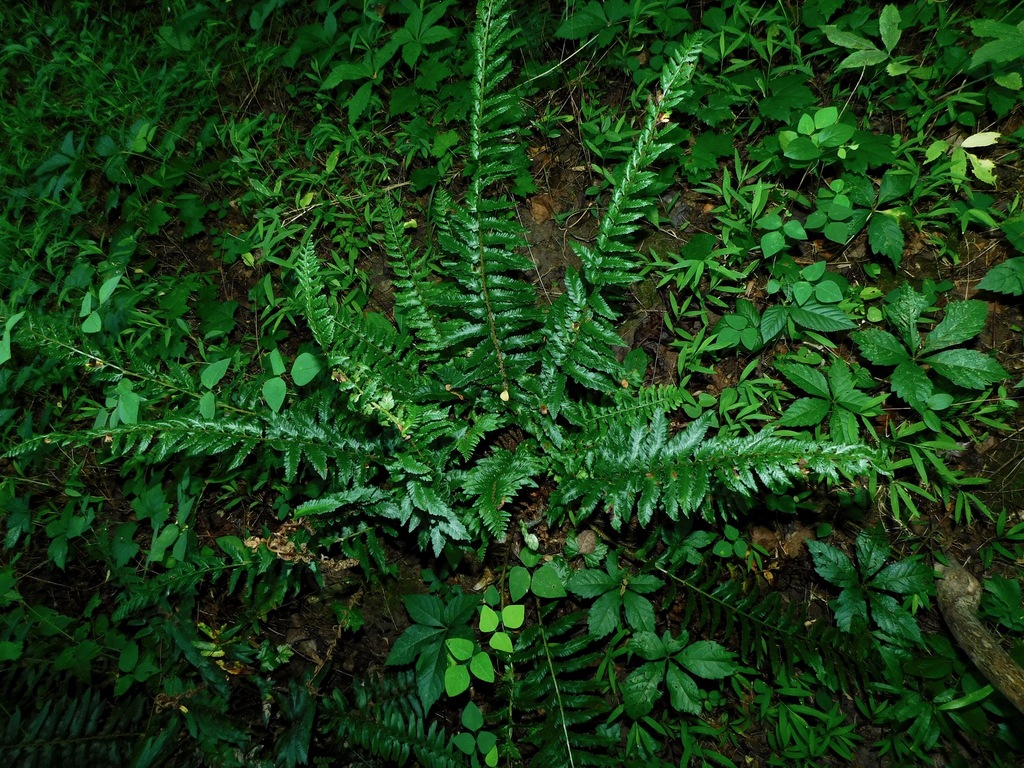
The Christmas fern is a lovely, evergreen native that stays green throughout the winter months. It grows in attractive, arching clumps that look great in shaded garden beds. You will find it is a sturdy choice for woodland settings.
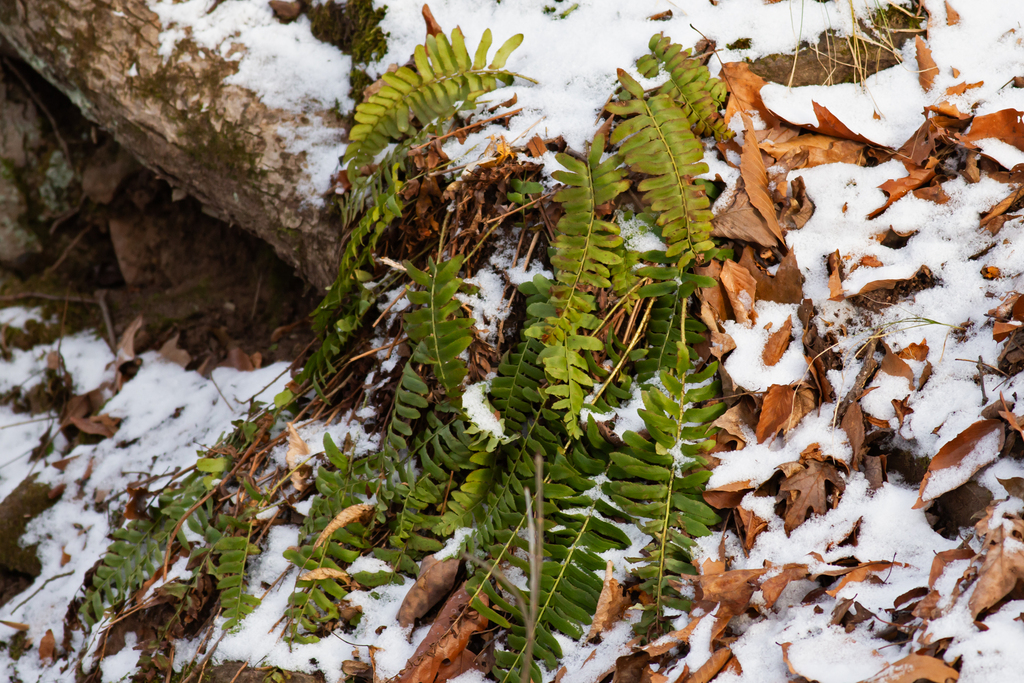
En un coup d'œil
- Niveau d'entretien
- Facile
- Type de plante
- Fern
- Lumière
- Partial shade to full shade
- Lumière en intérieur
- Lumière moyenne
- Arrosage
- Tous les 5 à 10 jours
- Taille adulte
- 1 to 2 feet
- Croissance
- Moyenne
- Rusticité
- USDA 3 à 9
- Floraison
- Does not bloom
Entretien
Plant this fern in rich, moist soil and keep it sheltered from harsh afternoon sun. Watch for browning fronds during extreme dry spells, which indicate it needs more moisture. It is quite hardy and rarely needs much fuss once established.
- Arrosage
- Keep the soil consistently moist but never soggy.
- Engrais
- Apply a balanced, slow-release fertilizer once in early spring.
- Taille
- Trim back old, tattered fronds in late winter before new growth emerges.
- Rempotage
- Repot only when the root system becomes crowded or the plant outgrows its container.
- Sol
- Moist, well-draining, humus-rich soil
- pH du sol
- Acidic to neutral
- Température
- -30 à 35°C
- Humidité
- 40 à 80%
Sécurité
- Humains
- There is no significant toxicity reported for humans.
- Enfants
- The plant is generally safe, but the stiff fronds can be sharp and should be handled with care by small children.
- Allergènes de contact
- Handling the fronds may cause minor skin irritation in sensitive individuals due to the texture of the scales.
- Allergènes aéroportés
- The spores released from the underside of the fronds can trigger mild respiratory irritation in those with severe allergies.
- Comestibilité
- This plant is not considered edible and should not be consumed.
Comment l'identifier
- Leathery, dark green fronds
- Pinnae shaped like Christmas stockings
- Scaly stems near the base
- Evergreen foliage year round
- Hauteur
- 0,3 à 0,6m
- Envergure
- 0,3 à 0,6m
- Feuilles
- dark green, evergreen
- Fleurs
- 0cm
Problèmes courants
- Scale insects — Small sap sucking insects that appear as bumps on the underside of fronds.
La cultiver
- Multiplication
- division, spores
- Quand planter
- spring, autumn
Group this fern with other shade loving woodland plants to create a naturalistic forest floor effect.
Bonnes associations
Espèces similaires
- Dryopteris marginalis — It is another evergreen fern that thrives in similar woodland conditions.
Science
- Famille
- Dryopteridaceae
- Genre
- Polystichum
- Ordre
- Polypodiales
- Classe
- Polypodiopsida
- Région d'origine
- Eastern North America
- Préservation
- This species is common and secure throughout its native range.
It grows in rocky, moist, shaded woodlands where it helps stabilize soil on slopes.
- Intérêt pour la faune
- provides winter cover for small wildlife, nesting material for birds
- Utilisations
- woodland gardens, erosion control, shaded borders, ground cover
Au fil des saisons
Repères écologiques
- Salinité
- 1/9
- Réaction du sol
- 5/9
- Lumière
- 3/9
- Température
- 5/9
- Humidité
- 6/9
- Nutriments
- 5/9
Taxonomie vérifiée avec le GBIF.
Ce qu'on demande souvent
- Does it need full sun?
- No, it prefers partial to full shade.
- Should I cut it back?
- You can trim old, tattered fronds in early spring before new growth emerges.
D'où vient le nom
The name acrostichoides refers to the resemblance of the spore clusters to those of the genus Acrostichum.
Bon à savoir
- The leaflets are shaped like a Christmas stocking.
- It is one of the most common ferns in the eastern United States.
- It thrives in rocky, wooded slopes.
Aussi dans
Ta plante a mauvaise mine ?
Cette page est un guide général. Pocket Botanist diagnostique les problèmes directement à partir d'une photo de ta plante, adapte l'arrosage à sa luminosité et te prévient quand il faut t'en occuper.
Ce guide a été généré par IA et vérifié avec la taxonomie du GBIF. Il s'agit d'informations générales, et non de conseils horticoles ou vétérinaires. Découvre comment nous concevons ces guides.