 Pocket Botanist
Guide botanique
Bunny Cactus.
Opuntia (Lehm.) Pfeiff.
Prononciation oh-PUN-tee-uh my-kro-DAY-sis
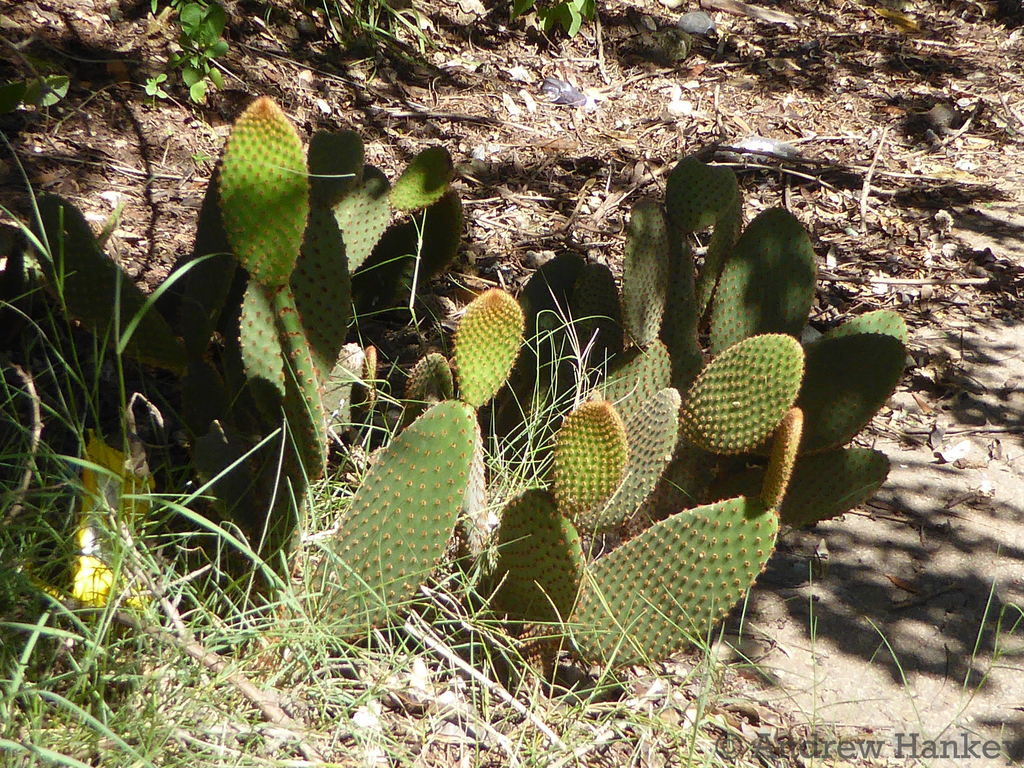
The Bunny Ears cactus is a charming desert dweller known for its flat, ear like pads. It is a popular choice for sunny windowsills because of its unique silhouette. Just be careful, as those fuzzy looking spots are actually tiny, irritating spines.
En un coup d'œil
- Care level
- Easy
- Plant type
- Succulent
- Light
- Full sun
- Indoor light
- direct
- Water
- Every 14 to 30 days
- Mature size
- 60 to 90 cm tall
- Growth rate
- medium
- Hardiness
- USDA 9 to 11
- Bloom time
- Late spring to summer
Entretien
Give this cactus plenty of direct sun to keep it from stretching out. Let the soil dry out completely between waterings to prevent root rot. Use tongs or thick gloves when handling to avoid getting the tiny bristles stuck in your skin.
- Watering
- Water deeply only when the soil is bone dry throughout the pot.
- Feeding
- Feed with a balanced liquid fertilizer diluted to half strength during the active growing season.
- Pruning
- Prune only to remove damaged pads or to control size using protective gear.
- Repotting
- Repot when the plant becomes top heavy or outgrows its container.
- Soil
- Well draining cactus and succulent mix
- Soil pH
- 6.0 to 7.5
- Temperature
- 5 to 35°C
- Humidity
- 10 to 40%
- Drought tolerance
- high
- Lifespan
- Perennial, often living for many decades.
- Deer and rabbits
- high
Signes qu'il faut rempoter
- Roots growing out of the drainage holes.
- The plant becomes top heavy and unstable.
- Growth slows significantly during the active season.
Sécurité
- People
- The plant is non toxic, but the spines and glochids can cause significant skin irritation and injury.
- Pets
- The tiny, hair like spines can cause significant irritation to the mouths and skin of curious pets.
- Children
- Keep this plant well out of reach of children because the sharp spines and nearly invisible glochids pose a serious injury risk.
- Contact allergens
- The tiny glochids easily penetrate skin and cause persistent irritation or dermatitis.
- Airborne allergens
- None.
- Edibility
- Always remove all glochids, which are tiny hair like spines, before handling or consuming any part of the plant.
Comment l'identifier
- Flat, rounded, ear shaped stem segments
- Dense clusters of yellow glochids
- Lack of large, sharp central spines
- Velvety appearance due to fine bristles
- Height
- 0.3 to 0.9m
- Spread
- 0.3 to 0.6m
- Leaves
- green, evergreen
- Flowers
- yellow, 3 to 5cm
- Fruit
- red, purple, Late summer
Problèmes courants
- Cochineal scale — Small white cottony masses appear on the pads as the insects feed on plant sap.
- Root rot — Fungal decay caused by overly wet soil or poor drainage.
La cultiver
- Propagation
- cuttings
- When to plant
- spring, summer
- Overwintering
- Keep the plant dry during the winter months to prevent rot. If kept outdoors in cold climates, ensure the soil is extremely well draining.
- In containers
- They grow very well in pots, provided you use a container with large drainage holes and a sandy cactus mix.
Pad Cuttings
- 1. Carefully remove a healthy pad using tongs.
- 2. Let the cut end callous over in a dry, shaded spot for 1 to 2 weeks.
- 3. Place the calloused end into dry, gritty soil.
- 4. Wait several weeks before watering to allow roots to form.
Group plants with similar low water needs to ensure no one gets overwatered during routine maintenance.
Bonnes associations
- Agave — They share similar water and light requirements in a desert garden.
- Yucca — These plants provide a nice structural contrast while thriving in the same dry conditions.
À éloigner de
- Hostas — Hostas require too much moisture and shade, which will lead to rot for the cactus.
Espèces similaires
- Cylindropuntia — These are closely related but have cylindrical rather than flattened pads.
Science
- Native range
- The Americas, ranging from Canada to Argentina.
- Conservation
- Some rare species are protected, so always ensure your plant is nursery grown rather than collected from the wild.
It survives in harsh, arid environments by storing water in its fleshy pads and using specialized photosynthesis.
- Value to wildlife
- nectar source, nesting cover
- Pollinators
- bees, beetles
- Uses
- ornamental, culinary, xeriscaping
Au fil des saisons
Repères écologiques
- Salinity
- 4/9
- Soil reaction
- 6/9
- Light
- 8/9
- Temperature
- 7/9
- Moisture
- 2/9
- Nutrients
- 3/9
Ce qu'on demande souvent
- How often should I water my Opuntia?
- Water deeply only when the soil has dried out completely.
- Can I grow these in a pot?
- Yes, they thrive in containers with excellent drainage and gritty soil.
D'où vient le nom
Opuntia is named after the ancient Greek city of Opus, while the common name refers to the pear shaped fruit.
Bon à savoir
- The fruit of the prickly pear is known as a tuna.
- These cacti can survive extreme temperature fluctuations.
- The pads are modified stems that perform photosynthesis.
- Some species have been used as natural fences.
Ton bunny cactus a mauvaise mine ?
Cette page est un guide général. Pocket Botanist diagnostique les problèmes directement à partir d'une photo de ta plante, adapte l'arrosage à sa luminosité et te prévient quand il faut t'en occuper.
Ce guide a été généré par IA et vérifié avec la taxonomie du GBIF. Il s'agit d'informations générales, et non de conseils horticoles ou vétérinaires. Découvre comment nous concevons ces guides.