 Pocket Botanist
Guide botanique
European Ash.
Fraxinus excelsior
Prononciation FRASH-in-us ek-SEL-see-or
Aussi appelée Ash, Common Ash, European ash


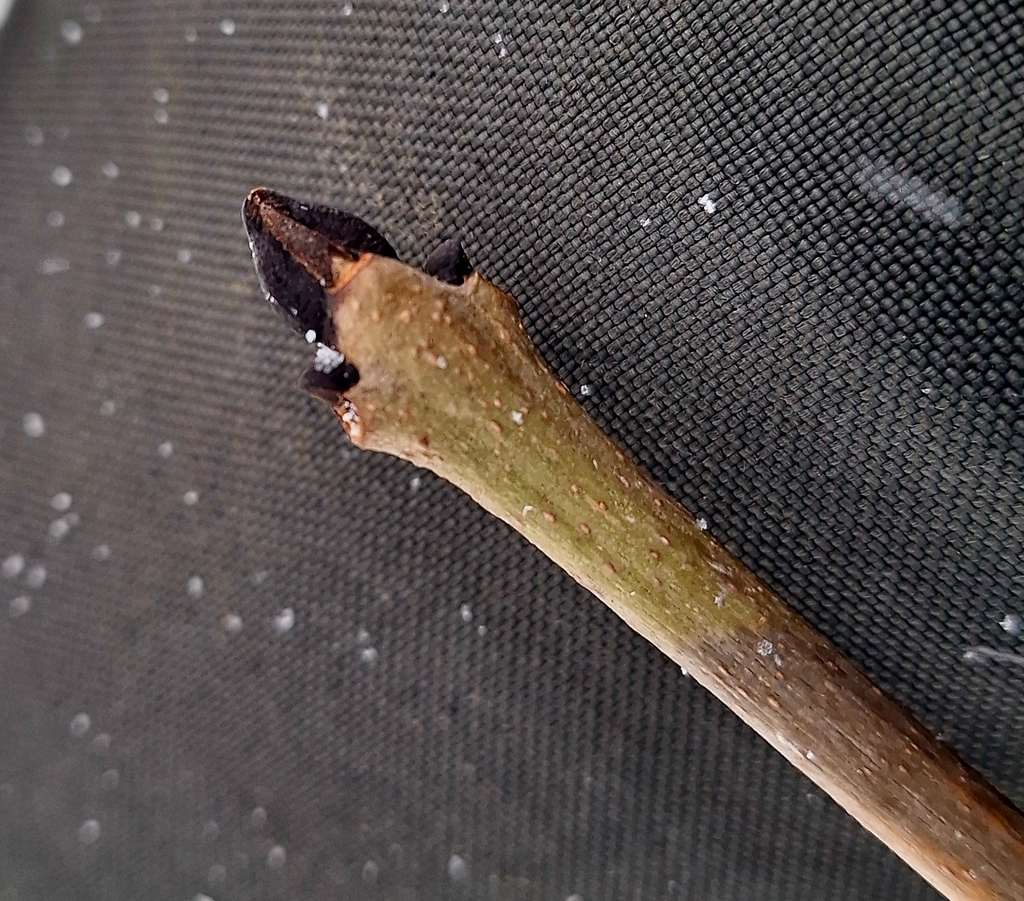
The European Ash is a stately deciduous tree known for its tall, graceful canopy and compound leaves. It thrives in moist, fertile soils and is a common sight in woodlands across Europe. You will love how its dark buds stand out against the grey bark in winter.

En un coup d'œil
- Niveau d'entretien
- Facile
- Type de plante
- Deciduous tree
- Lumière
- Full sun to partial shade
- Lumière en intérieur
- Soleil direct
- Arrosage
- Tous les 7 à 14 jours
- Taille adulte
- 30 to 40 meters
- Croissance
- Rapide
- Rusticité
- USDA 4 à 8
- Floraison
- Early to mid spring
Entretien
Plant this tree in a spot with plenty of room for its roots to spread. Keep an eye out for signs of ash dieback, which causes wilting leaves and lesions on the branches. Regular monitoring helps you catch any health issues early.
- Arrosage
- Young trees need consistent moisture until they are well established in the landscape.
- Engrais
- Apply a balanced slow release fertilizer in early spring if the soil is poor.
- Taille
- Prune only to remove dead or diseased wood during the dormant winter period.
- Rempotage
- This tree is best suited for the ground, but container specimens need larger pots every few years.
- Sol
- Deep, fertile, moist, well-draining soil
- pH du sol
- Neutral to alkaline
- Température
- -30 à 35°C
- Humidité
- 40 à 70%
- Résistance à la sécheresse
- Moyenne
- Durée de vie
- Perennial, typically 100 to 200 years.
- Résistance aux chevreuils et lapins
- Moyenne
Sécurité
- Humains
- This tree is not considered toxic to humans.
- Enfants
- The winged seeds, known as keys, are safe for children to handle but should not be ingested.
- Allergènes de contact
- The bark or leaves may cause mild skin irritation in sensitive individuals.
- Allergènes aéroportés
- The windborne pollen is a significant allergen for many people during the spring.
- Comestibilité
- The seeds are sometimes pickled, but they are not a standard food source and should be treated with caution.
Comment l'identifier
- Large compound leaves with serrated leaflets
- Distinctive black, velvety winter buds
- Grey, smooth bark on young trees
- Winged seeds known as samaras
- Opposite branching pattern on twigs
- Hauteur
- 20 à 35m
- Envergure
- 10 à 20m
- Feuilles
- green, deciduous
- Fleurs
- purple, green, 0,5 à 1cm
- Fruits
- brown, Autumn
Problèmes courants
- Ash dieback — A fungal pathogen that causes leaf loss and crown dieback.
La cultiver
- Multiplication
- seed
- Quand planter
- spring, autumn
- Hivernage
- No special care is needed as it is fully hardy in its native range.
- En pot
- This tree is far too large for container cultivation.
Seed propagation
- Collect mature winged seeds in autumn.
- Store in moist sand for a cold stratification period over winter.
- Sow in a nursery bed in spring.
Plant in areas where the large canopy will not shade out smaller sun loving perennials.
Bonnes associations
- Noisetier commun — They often grow together in natural woodland understories.
- English oak — These species frequently share the same woodland canopy.
Espèces similaires
- Fraxinus angustifolia — It has a similar growth habit but with narrower leaflets.
Science
- Famille
- Oleaceae
- Genre
- Fraxinus
- Ordre
- Lamiales
- Classe
- Magnoliopsida
- Région d'origine
- Europe and southwestern Asia.
- Préservation
- This species is currently under severe threat across its range due to ash dieback disease.
It thrives in moist, fertile soils and is a pioneer species in woodland succession.
- Intérêt pour la faune
- larval host plant, provides nesting sites
- Pollinisateurs
- abeilles, coléoptères
- Utilisations
- timber production, ornamental shade tree, ecological restoration
Au fil des saisons
Repères écologiques
- Salinité
- 2/9
- Réaction du sol
- 7/9
- Lumière
- 6/9
- Température
- 5/9
- Humidité
- 6/9
- Nutriments
- 7/9
Taxonomie vérifiée avec le GBIF.
Ce qu'on demande souvent
- Is it safe to plant near a house?
- No, the roots are vigorous and can damage foundations or drainage systems.
- How fast does it grow?
- It is a fast growing tree when young, often adding significant height each year.
D'où vient le nom
The name excelsior means higher or loftier in Latin, referring to its impressive stature.
Bon à savoir
- Ash wood is highly flexible and shock resistant, making it perfect for tool handles.
- In Norse mythology, the world tree Yggdrasil is often identified as an ash.
- The leaves of the ash tree are among the last to emerge in spring and the first to fall in autumn.
Ta plante a mauvaise mine ?
Cette page est un guide général. Pocket Botanist diagnostique les problèmes directement à partir d'une photo de ta plante, adapte l'arrosage à sa luminosité et te prévient quand il faut t'en occuper.
Ce guide a été généré par IA et vérifié avec la taxonomie du GBIF. Il s'agit d'informations générales, et non de conseils horticoles ou vétérinaires. Découvre comment nous concevons ces guides.