 Pocket Botanist
Guía de plantas
Thimble Cactus.
Mammillaria gracilis subsp. fragilis
Pronunciación mam-mil-LAIR-ee-uh GRASS-ih-liss
También se conoce como Mammillaria gracilis subsp. fragilis
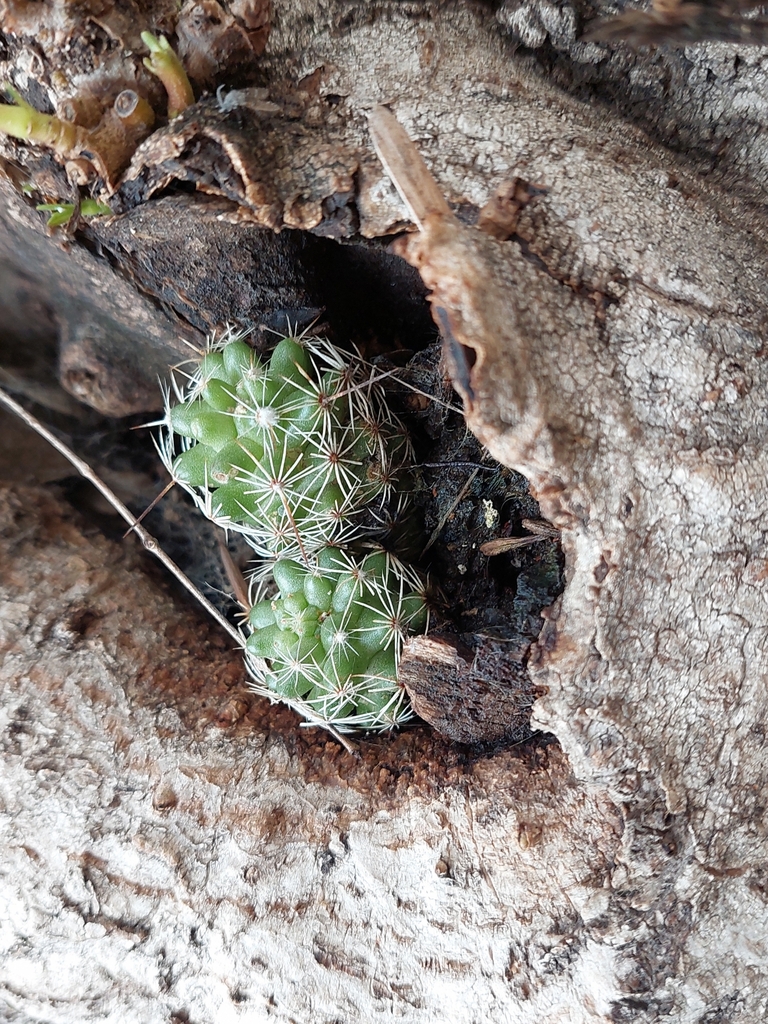
The Thimble Cactus is a charming, miniature succulent that forms dense clusters of tiny, finger-like stems. It is a perfect choice for small pots or sunny windowsills. You will love how easily it offsets to create a full, rounded colony.
De un vistazo
- Care level
- Easy
- Plant type
- Succulent
- Light
- Full sun
- Indoor light
- direct
- Water
- Every 14 to 30 days
- Mature size
- 10 to 15 cm
- Growth rate
- slow
- Hardiness
- USDA 9 to 11
- Bloom time
- Late winter to spring
Cuidados
Provide plenty of bright, direct sunlight to keep the stems compact and healthy. Allow the soil to dry out completely between waterings to prevent root rot. Watch for soft or mushy stems, which indicate the plant is receiving too much moisture.
- Watering
- Water deeply only when the soil is completely dry.
- Feeding
- Use a balanced cactus fertilizer during the active growing season.
- Pruning
- Only prune to remove dead or damaged stems.
- Repotting
- Repot only when the cluster outgrows its container.
- Soil
- Well-draining cactus and succulent mix
- Soil pH
- 6.0 to 7.5
- Temperature
- 5 to 35°C
- Humidity
- 10 to 40%
- Drought tolerance
- high
- Lifespan
- Perennial, typically 5 to 10 years.
- Deer and rabbits
- high
Señales de que necesita trasplante
- The plant has filled the entire pot surface with offsets.
- Water runs straight through the pot without being absorbed by the soil.
- Growth has slowed significantly during the active season.
Seguridad
- People
- The plant is generally non toxic but the spines can cause mechanical irritation to the skin.
- Pets
- This plant is generally considered non-toxic to cats and dogs, though the spines can cause mechanical irritation.
- Children
- Keep this plant out of reach of small children because the sharp spines can easily puncture skin if handled.
- Contact allergens
- The spines can cause minor skin irritation or dermatitis in sensitive individuals.
- Airborne allergens
- There are no known significant respiratory allergens associated with this species.
- Edibility
- This plant is not considered edible and ingestion may cause gastrointestinal distress.
Cómo identificarla
- Small cylindrical stems
- Dense white radial spines
- Clustering growth habit
- Tiny cream colored flowers
- Height
- 0.05 to 0.15m
- Spread
- 0.05 to 0.2m
- Leaves
- green, evergreen
- Flowers
- cream, yellow, 1 to 2cm
Problemas frecuentes
- Mealybugs — These small white insects hide in the crevices between tubercles and suck sap from the plant.
- Root rot — This occurs when the soil stays too wet for too long, causing the roots to decay.
Cómo cultivarla
- Propagation
- offsets, cuttings
- When to plant
- spring, summer
- Overwintering
- Keep the plant in a cool, dry place and stop watering almost entirely during the winter months to encourage dormancy.
- In containers
- It grows very well in pots and prefers a shallow container with excellent drainage, at least 4 inches wide.
Offset Division
- Gently pick up an offset that has fallen off or carefully detach one from the parent.
- Let the cut end callous over for 2 to 3 days in a dry, shaded area.
- Place the calloused offset on top of a well draining cactus soil mix.
- Wait a week before lightly misting the soil to encourage root growth.
Group plants with similar water needs together to avoid overwatering your cactus while trying to keep other plants happy.
Buenas compañeras
- Echeveria — They share similar requirements for bright light and infrequent watering.
- Aloe — This succulent provides a nice structural contrast while thriving in the same dry conditions.
Mantenla lejos de
- Ferns — Ferns require high humidity and consistent moisture that would kill this cactus.
Especies parecidas
- Mammillaria elongata — It has a similar clumping habit but with longer, more elongated stems.
Ciencia
- Family
- Cactaceae
- Genus
- Mammillaria
- Order
- Caryophyllales
- Class
- Magnoliopsida
- Native range
- Central Mexico.
- Conservation
- This species is not currently listed as endangered, but wild collection should always be avoided to protect native populations.
It grows in rocky, well drained soils in arid environments where it relies on its ability to propagate via fallen offsets.
- Value to wildlife
- nectar source
- Pollinators
- bees
- Uses
- ornamental houseplant, rock garden specimen, succulent collection
A lo largo del año
Indicadores ecológicos
- Salinity
- 1/9
- Soil reaction
- 7/9
- Light
- 7/9
- Temperature
- 6/9
- Moisture
- 2/9
- Nutrients
- 2/9
Taxonomía cotejada con GBIF.
Lo que más preguntan
- How often should I water my Thimble Cactus?
- Water it thoroughly only when the soil has dried out completely, which is usually every 2 to 3 weeks.
- Why are the offsets falling off?
- That is perfectly normal behavior for this species as it is how it spreads in the wild.
De dónde viene el nombre
Mammillaria comes from the Latin word mamilla, meaning nipple, referring to the tubercles on the plant. The name gracilis means slender, while fragilis highlights the plant's tendency to break apart.
Bueno saberlo
- The specific epithet fragilis refers to the fragile nature of its offsets.
- It is commonly known as the Thimble Cactus due to its small, cylindrical shape.
- It produces tiny, cream colored flowers that appear in a ring around the top of the stem.
- The offsets fall off so easily that they often root in the soil right next to the parent plant.
¿Tu thimble cactus tiene mal aspecto?
Esta página es una guía general. Pocket Botanist diagnostica problemas a partir de una foto de tu propia planta, calcula el riego según tu luz y tus condiciones, y te avisa cuando toca cuidarla.
Esta guía se ha generado con IA y se ha cotejado con la taxonomía de GBIF. Es información general, no asesoramiento botánico ni veterinario. Descubre cómo elaboramos estas guías.