 Pocket Botanist
Guía de plantas
Bottle Gourd.
Lagenaria siceraria var. siceraria
Pronunciación la-jen-AIR-ee-uh sis-er-AIR-ee-uh
También se conoce como Lagenaria siceraria var. siceraria
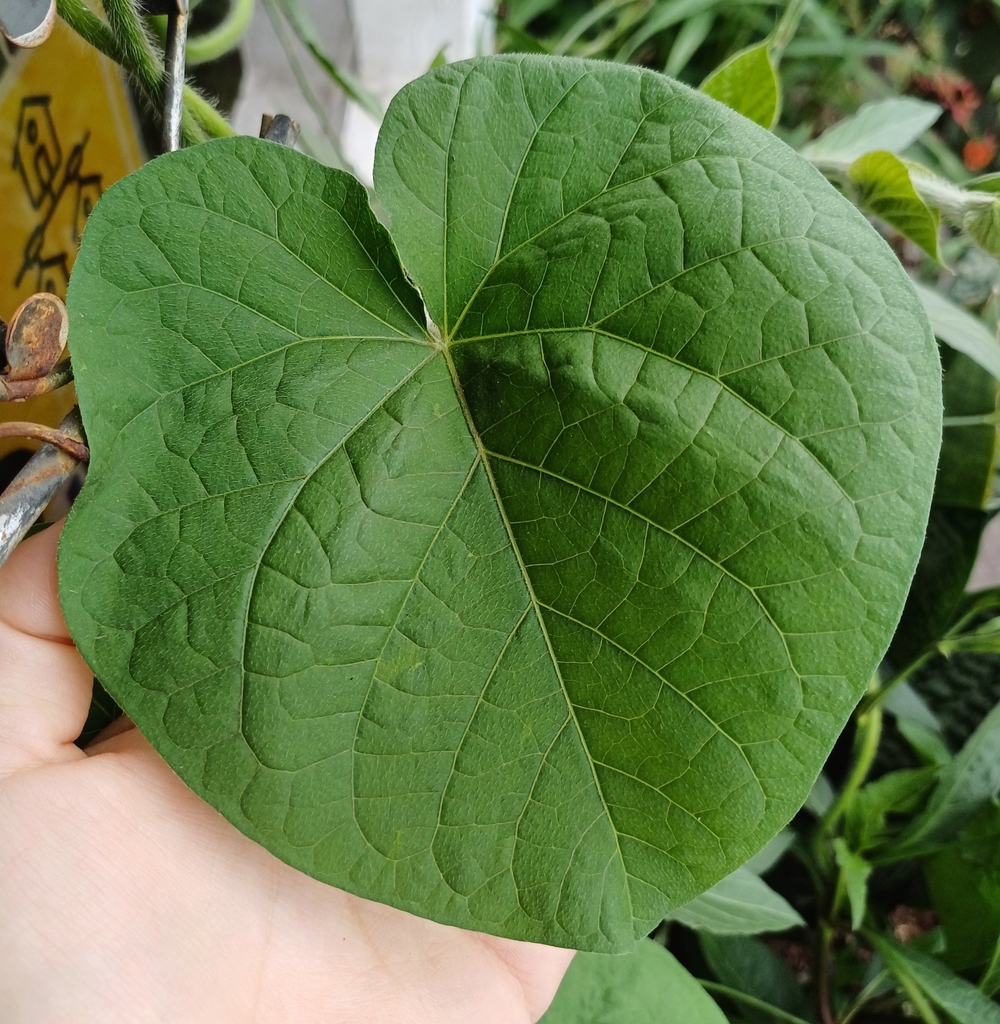
The bottle gourd is a vigorous, fast growing vine prized for its unique, hard shelled fruits that have been used as containers for centuries. It loves a long, warm growing season and plenty of space to climb or sprawl. You will find it is quite rewarding to grow if you have a sunny spot in your garden.
De un vistazo
- Care level
- Moderate
- Plant type
- Annual vine
- Light
- Full sun
- Indoor light
- direct
- Water
- Every 2 to 4 days
- Mature size
- 300 to 600 cm
- Growth rate
- fast
- Hardiness
- USDA 9 to 11
- Bloom time
- Mid to late summer
Cuidados
Provide a sturdy trellis for the vines to climb to keep the heavy fruit off the ground. Watch for powdery mildew on the leaves during humid weather and ensure the soil stays consistently moist. Harvest the gourds once the stem turns brown and the shell feels hard to the touch.
- Watering
- Keep the soil consistently moist but never waterlogged.
- Feeding
- Apply a balanced liquid fertilizer every two weeks during the active growing season.
- Pruning
- Trim back excessive side shoots to encourage more fruit production.
- Repotting
- This is an annual plant and is typically grown directly in the garden soil.
- Soil
- Rich, well draining, organic soil
- Soil pH
- 6.0 to 7.0
- Temperature
- 15 to 35°C
- Humidity
- 40 to 70%
- Drought tolerance
- low
- Lifespan
- Annual, typically 1 season
- Deer and rabbits
- moderate
Señales de que necesita trasplante
- Roots growing out of the drainage holes.
- Water running straight through the pot without soaking in.
Seguridad
- People
- The mature fruit contains cucurbitacins which are toxic if ingested in quantity.
- Pets
- This plant is generally considered non toxic to cats and dogs.
- Children
- The hard, mature shells of the gourds can be a choking hazard if broken into small pieces.
- Contact allergens
- The fuzzy stems and leaves can cause mild skin irritation in sensitive individuals.
- Airborne allergens
- The pollen is not typically considered a significant allergen.
- Edibility
- Young fruits are edible when cooked, but mature gourds are bitter and can cause severe gastrointestinal distress if consumed.
Cómo identificarla
- Large, soft, heart shaped fuzzy leaves
- White, star shaped nocturnal flowers
- Hard, woody, bottle shaped fruit
- Fast growing, climbing tendril vine
- Height
- 2 to 6m
- Spread
- 1 to 2m
- Leaves
- green, deciduous
- Flowers
- white, 5 to 10cm
- Fruit
- green, tan, Autumn
Problemas frecuentes
- Powdery mildew — A white fungal growth appears on leaves during humid weather.
- Squash vine borer — Larvae tunnel into the main stem and cause the plant to wilt suddenly.
Cómo cultivarla
- Propagation
- seed
- When to plant
- Spring
- Overwintering
- This plant is an annual and will die with the first frost.
- In containers
- It requires a very large container, at least 15 gallons, to support its massive root system.
Seed Sowing
- Soak seeds in warm water for 24 hours to soften the hard coat.
- Plant seeds 1 inch deep in warm, fertile soil.
- Keep the soil consistently moist until germination occurs.
Planting tall crops nearby provides the necessary vertical space for these vigorous vines.
Buenas compañeras
- Corn — Corn provides a sturdy structure for the vines to climb.
- Nasturtium — These flowers help deter common garden pests.
Mantenla lejos de
- Potatoes — They compete for soil nutrients and space.
Especies parecidas
- Cucurbita pepo — It is a common squash that shares similar growth habits.
Ciencia
- Family
- Cucurbitaceae
- Genus
- Lagenaria
- Order
- Cucurbitales
- Class
- Magnoliopsida
- Native range
- Tropical regions of Africa and Asia.
- Conservation
- This plant is widely cultivated and not of conservation concern.
It thrives in warm, sunny environments with high moisture and rich, well-draining soil.
- Value to wildlife
- nectar source
- Pollinators
- bees, moths
- Uses
- culinary, crafts, ornamental
A lo largo del año
Indicadores ecológicos
- Salinity
- 2/9
- Soil reaction
- 6/9
- Light
- 8/9
- Temperature
- 8/9
- Moisture
- 6/9
- Nutrients
- 7/9
Taxonomía cotejada con GBIF.
Lo que más preguntan
- Can I eat the gourds?
- Only the very young fruits are edible, similar to summer squash.
- How do I dry them?
- Leave them in a dry, airy place until they feel light and the seeds rattle inside.
De dónde viene el nombre
The genus name Lagenaria comes from the Latin word for a flask, referring to the fruit shape.
Bueno saberlo
- It is one of the oldest domesticated plants in the world.
- The fruits can grow into many different shapes depending on how they are trained.
- In some cultures, the dried gourds are used to make musical instruments.
¿Tu bottle gourd tiene mal aspecto?
Esta página es una guía general. Pocket Botanist diagnostica problemas a partir de una foto de tu propia planta, calcula el riego según tu luz y tus condiciones, y te avisa cuando toca cuidarla.
Esta guía se ha generado con IA y se ha cotejado con la taxonomía de GBIF. Es información general, no asesoramiento botánico ni veterinario. Descubre cómo elaboramos estas guías.