 Pocket Botanist
Guía de plantas
Pink Lady's Slipper.
Cypripedium acaule
Pronunciación sip-ri-PEE-dee-um ah-KAW-lee
También se conoce como Lady's-Slipper Orchid, Mocassin Flower, Mocassin-flower, Moccasin Flower, Pink Lady's-slipper, Pink Lady's-slipper Orchid, Pink Ladyslipper, Pink Moccasin Flower


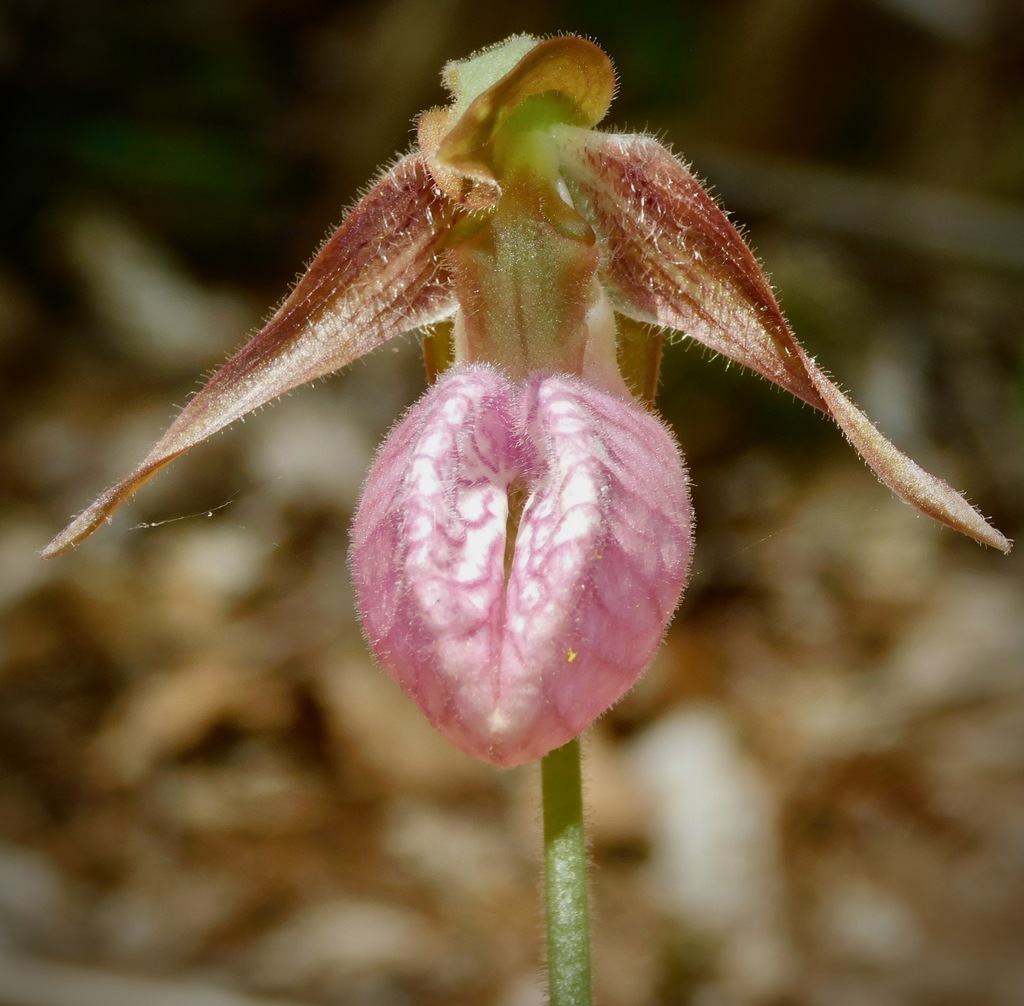
The Pink Lady's Slipper is a stunning native orchid that forms a single pair of basal leaves. It is quite particular about its environment and rarely thrives in traditional garden settings. You will mostly find it growing in acidic, sandy, or mossy soils within shaded woodlands.
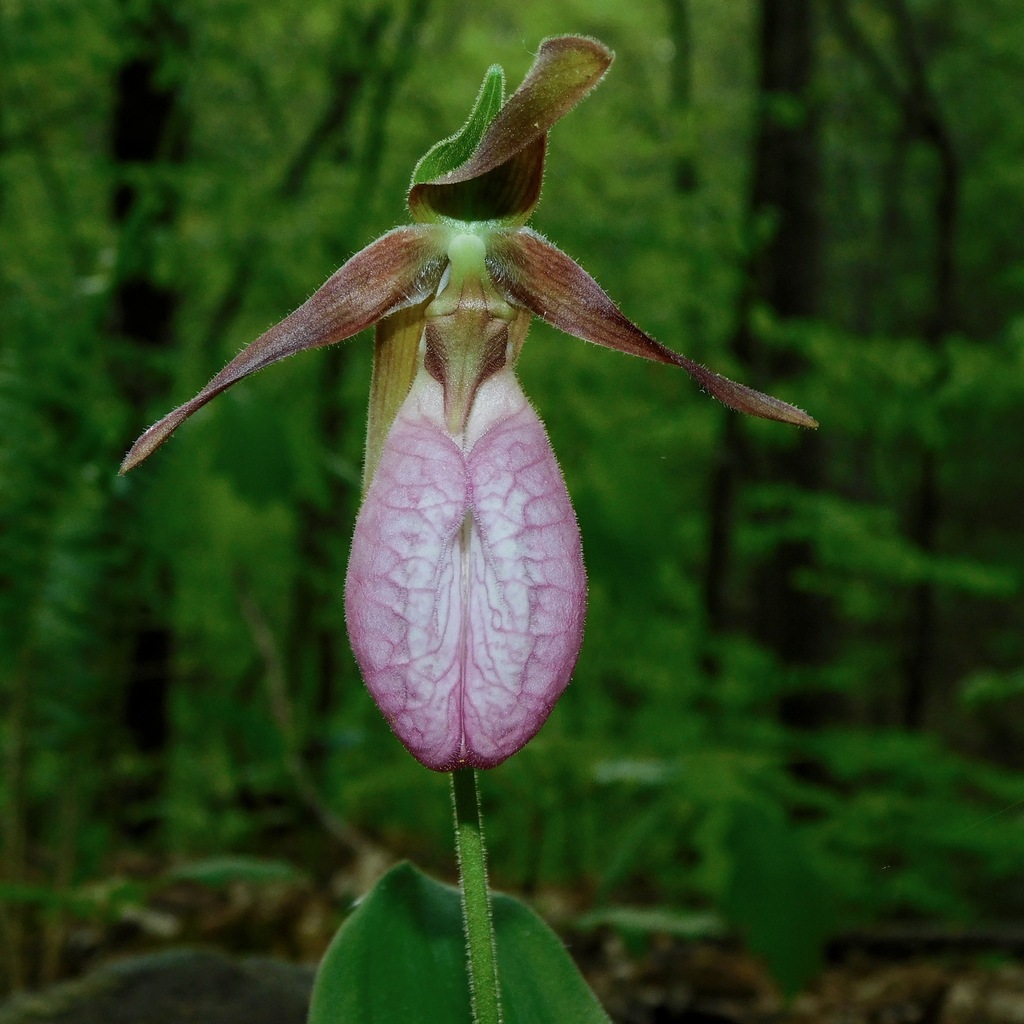
De un vistazo
- Nivel de cuidados
- Difícil
- Tipo de planta
- Perennial orchid
- Luz
- Dappled shade
- Luz en interior
- Luz media
- Riego
- Cada 3 a 7 días
- Tamaño adulto
- 15 to 30 cm
- Ritmo de crecimiento
- Lento
- Rusticidad
- USDA 3 a 7
- Floración
- Late spring to early summer
Cuidados
This plant requires a specialized mycorrhizal fungus in the soil to survive, making it nearly impossible to keep in a pot. Keep the soil consistently moist but never waterlogged. Watch for signs of stress like yellowing leaves, which often indicate the plant is struggling to adapt to its site.
- Riego
- Keep the soil evenly moist but ensure it drains well to prevent root rot.
- Abonado
- Do not fertilize this plant as it relies on soil fungi for nutrients.
- Poda
- Remove dead foliage only after the plant has gone completely dormant in late autumn.
- Trasplante
- This plant does not tolerate disturbance and should not be repotted.
- Suelo
- Acidic, sandy, or peaty soil
- pH del suelo
- 4.0 to 5.5
- Temperatura
- -35 a 25°C
- Humedad
- 60 a 90%
Seguridad
- Personas
- The plant contains calcium oxalate crystals that can cause irritation to the mouth and throat.
- Niños
- Keep children away from the plant as the hairs can cause skin irritation and the plant is toxic if eaten.
- Alérgenos por contacto
- The glandular hairs on the stem and leaves can cause contact dermatitis in sensitive individuals.
- Alérgenos en el aire
- There is no significant evidence of respiratory allergies associated with this species.
- Comestibilidad
- This plant is not edible and may cause gastrointestinal distress if ingested.
Cómo identificarla
- Two large basal leaves
- Single pink pouch shaped flower
- Deeply cleft labellum
- Hairy flowering stem
- Found in acidic forest soil
- Altura
- 0,2 a 0,4m
- Anchura
- 0,15 a 0,3m
- Hojas
- green, deciduous
- Flores
- pink, white, 5 a 8cm
Problemas frecuentes
- Root rot — Occurs when the soil remains too wet without proper drainage.
- Slugs and snails — These pests feed on the tender emerging foliage and flower buds.
Cómo cultivarla
- Propagación
- seed, division
- Cuándo plantar
- spring, autumn
Always plant in soil that mimics the natural forest floor, including plenty of organic matter and acidic pine needles.
Buenas compañeras
- Eastern hemlock — Provides the acidic leaf litter and dappled shade this orchid prefers.
- Christmas fern — Thrives in similar woodland conditions without competing for space.
Especies parecidas
- Cypripedium parviflorum — Shares the iconic slipper shape but prefers slightly more alkaline soil.
Ciencia
- Familia
- Orchidaceae
- Género
- Cypripedium
- Orden
- Asparagales
- Clase
- Liliopsida
- Distribución natural
- Eastern North America from Canada to the southern United States.
- Conservación
- This orchid is protected in many states and should never be collected from the wild.
It grows in acidic, nutrient poor soils in coniferous or deciduous forests where it forms a symbiotic relationship with soil fungi.
- Valor para la fauna
- nectar source
- Polinizadores
- abejas
- Usos
- ornamental woodland garden, native plant restoration
A lo largo del año
Indicadores ecológicos
- Salinidad
- 1/9
- Reacción del suelo
- 3/9
- Luz
- 3/9
- Temperatura
- 4/9
- Humedad
- 6/9
- Nutrientes
- 2/9
Taxonomía cotejada con GBIF.
Lo que más preguntan
- Can I grow this in my backyard?
- Only if you can replicate its specific acidic, woodland soil requirements and fungal symbionts.
- Why is my plant not flowering?
- It may be lacking sufficient light or the essential soil fungi required for energy.
De dónde viene el nombre
The name Cypripedium comes from Greek words meaning Venus and shoe, referring to the slipper shape. Acaule means stemless, describing the basal leaves.
Bueno saberlo
- It is the provincial flower of Prince Edward Island.
- The flower features a specialized pouch that traps bees to ensure pollination.
- It is one of the most common orchids in North America.
- The plant can live for many years in the right conditions.
También en
¿Tu pink lady's slipper tiene mal aspecto?
Esta página es una guía general. Pocket Botanist diagnostica problemas a partir de una foto de tu propia planta, calcula el riego según tu luz y tus condiciones, y te avisa cuando toca cuidarla.
Esta guía se ha generado con IA y se ha cotejado con la taxonomía de GBIF. Es información general, no asesoramiento botánico ni veterinario. Descubre cómo elaboramos estas guías.