 Pocket Botanist
Pflanzenratgeber
African Daisy.
Osteospermum
Aussprache os-tee-oh-SPER-mum
Auch bekannt als African Daisy Bush, Daisybush, boneseed daisies, boneseeds, perennial African daisies



Scanne den Code mit der Kamera deines Smartphones und hol dir die App
Oder öffne pocketbotanist.app/get auf deinem Smartphone
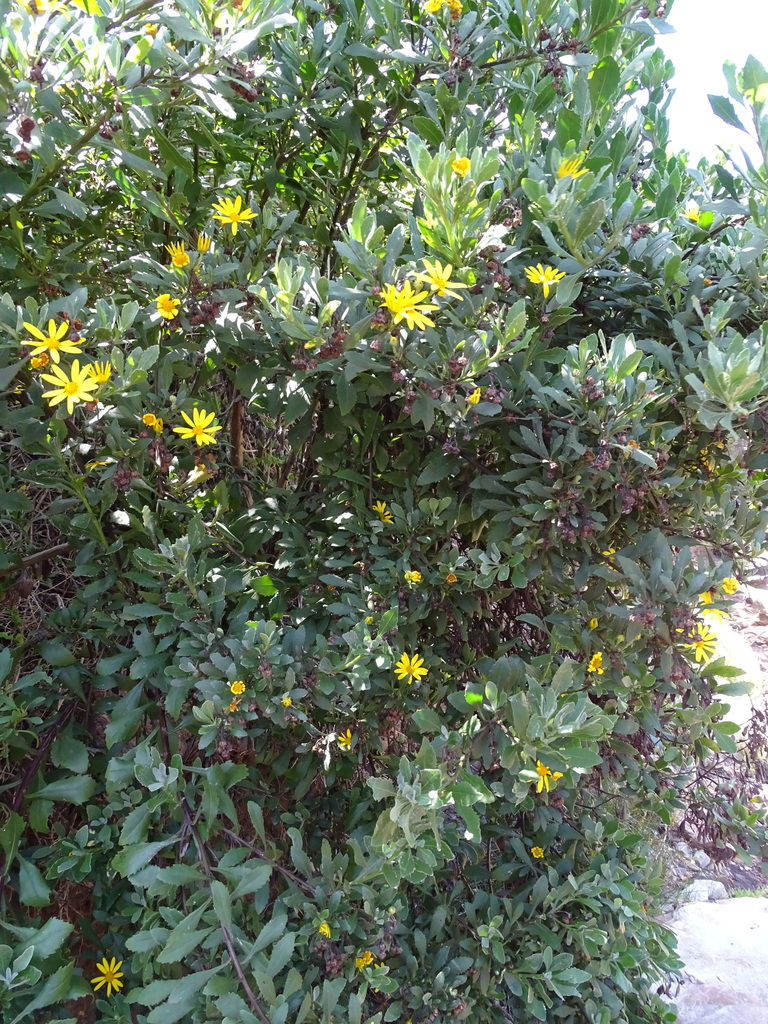
African daisies are cheerful plants that bring a splash of color to any sunny spot. They produce daisy like flowers in a wide array of vibrant shades. You will love how they bloom profusely throughout the cooler parts of the growing season.
Auf einen Blick
- Pflegestufe
- Mittel
- Pflanzenart
- Perennial subshrub
- Licht
- Full sun
- Licht im Innenraum
- Direkte Sonne
- Gießen
- Alle 3 bis 7 Tage
- Endgröße
- 1 to 3 feet
- Wachstum
- Schnell
Pflege
Keep your plant in a spot with plenty of sunshine and well draining soil. Watch for wilting which usually means it needs a drink, but be careful not to let it sit in soggy soil. Deadheading spent blooms will encourage the plant to keep producing new flowers.
- Gießen
- Water when the top inch of soil feels dry to the touch.
- Düngen
- Feed with a balanced liquid fertilizer during the active growing season.
- Schneiden
- Trim back stems after the first flush of flowers to promote bushier growth.
- Umtopfen
- Repot when the roots begin to crowd the container.
- Boden
- Well draining sandy loam
- Boden-pH
- 6.0 to 7.0
Sicherheit
- Haustiere
- This plant is generally considered non toxic to cats and dogs.
So erkennst du die Pflanze
- Daisy like flower heads
- Serrated leaf edges
- Compact mounding growth habit
- Petals often have contrasting centers
African Daisy per Foto prüfen
Pocket Botanist schaut sich ein Foto deiner Pflanze an und sagt dir, was ihr fehlt und was du zuerst probieren kannst.
Scanne den Code mit der Kamera deines Smartphones und hol dir die App
Oder öffne pocketbotanist.app/get auf deinem Smartphone
Botanisches
- Familie
- Asteraceae
- Gattung
- Osteospermum
- Ordnung
- Asterales
- Klasse
- Magnoliopsida
Taxonomie abgeglichen mit GBIF.
African Daisy lange gesund halten
Diese Seite bietet allgemeine Infos. Speichere deine Pflanze in Pocket Botanist und du bekommst Pflege-Erinnerungen, die auf diese Pflanze abgestimmt sind, und einen Pflegeverlauf, der zeigt, was geholfen hat.
Scanne den Code mit der Kamera deines Smartphones und hol dir die App
Oder öffne pocketbotanist.app/get auf deinem Smartphone
Dieser Ratgeber wurde am mit KI erstellt und mit der GBIF-Taxonomie abgeglichen. Er dient zur allgemeinen Information und ersetzt keine gärtnerische oder tierärztliche Beratung. Hier erfährst du, wie wir diese Ratgeber erstellen.