 Pocket Botanist
Plant guide
Coleus.
Plectranthus scutellarioides
Pronounced PLEK-tran-thus skoo-tel-lar-ee-OY-deez
Also known as coleus, painted-nettle
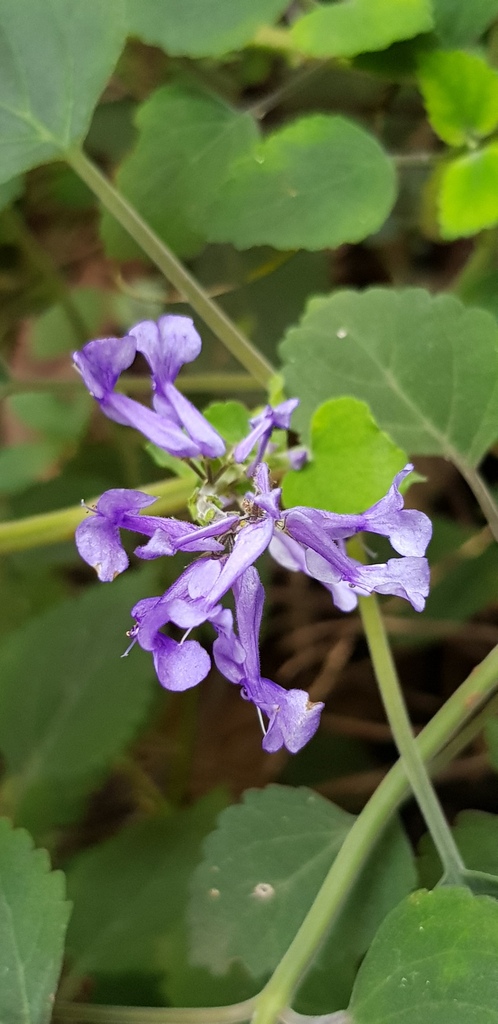
Coleus are beloved for their incredibly diverse and vibrant foliage, showcasing a stunning array of colors, patterns, and textures. These herbaceous perennials are primarily grown as annuals in many climates for their ornamental value, offering a splash of exotic color to gardens and containers. They are relatively easy to care for, making them a popular choice for both novice and experienced gardeners looking to add visual interest.
At a glance
- Care level
- Easy
- Plant type
- Perennial grown as annual
- Light
- Partial Shade to Bright Indirect Light
- Indoor light
- bright-indirect
- Water
- Every 3 to 7 days
- Mature size
- 1-3 feet tall and wide
- Growth rate
- fast
- Hardiness
- USDA 11 to 12
- Bloom time
- Summer
Care
Provide bright, indirect light and well-draining soil, watering when the top inch of soil feels dry. Pinching back regularly encourages bushier growth and prevents legginess, ensuring a fuller plant with more colorful foliage.
- Watering
- Water thoroughly when the top inch of soil is dry; avoid overwatering.
- Feeding
- Feed with a balanced liquid fertilizer every two weeks during the growing season.
- Pruning
- Pinch back stem tips regularly to encourage bushier growth and remove flower stalks to direct energy into foliage.
- Repotting
- Repot young plants annually or when root-bound; mature plants can be repotted less frequently.
- Soil
- Well-draining potting mix
- Soil pH
- Slightly acidic to neutral (5.5-7.0)
- Temperature
- 18 to 24°C
- Humidity
- 40 to 60%
Safety
- People
- Non-toxic
- Pets
- Non-toxic
- Edibility
- This plant is not intended for human consumption.
How to identify it
- Square stems
- Opposite, toothed leaves
- Leaves in various colors and patterns
- Small, usually white or blue flowers
- Fuzzy stems and leaves
- Height
- 0.3 to 0.9m
- Spread
- 0.3 to 0.9m
- Leaves
- Green, Red, Pink, Yellow, Purple, Burgundy, Chartreuse, Variegated, evergreen
- Flowers
- White, Blue, 0.5 to 1cm
Common problems
- Spider Mites — Tiny pests causing stippling on leaves and fine webbing, thrive in dry conditions.
- Aphids — Small insects that cluster on new growth, causing distortion and sticky honeydew.
- Mealybugs — Cottony white insects found in leaf axils and on stems, sucking sap.
- Root Rot — Caused by overwatering, leading to yellowing leaves and plant decline.
Growing it
- Propagation
- Cuttings, Seed
- When to plant
- Spring, Summer
Pair Coleus with plants that have similar light and moisture needs, like ferns or hostas, for a cohesive display.
Grows well with
- Impatiens — Both prefer similar bright, indirect light and moist soil conditions, creating a lush underplanting.
- Begonia — Begonias offer varied foliage and flower colors that complement Coleus beautifully in containers or shady beds.
- Fuchsia — Fuchsias appreciate similar light and moisture levels, adding delicate blooms to a mixed planting.
Keep away from
- Full Sun — Intense direct sunlight can scorch the leaves and cause the vibrant colors to fade.
- Frost — Coleus is sensitive to cold and will be damaged or killed by freezing temperatures.
- Waterlogged Soil — Consistently wet soil leads to root rot, which is detrimental to the plant's health.
Similar species
- Plectranthus 'Mona Lavender' — Shares similar care requirements and produces attractive flowers, though its foliage is less varied than true Coleus.
- Hypoestes phyllostachya — Also known as the polka dot plant, it offers colorful, spotted foliage but prefers slightly different conditions.
Science
- Family
- Lamiaceae
- Genus
- Coleus
- Order
- Lamiales
- Class
- Magnoliopsida
- Native range
- Southeast Asia and Australia
In its native habitat, Coleus thrives in moist, shaded areas, often found in understory environments or along forest edges.
- Uses
- Ornamental foliage plant, Container gardening, Annual bedding plants
Through the year
Ecological indicators
- Salinity
- 1/9
- Soil reaction
- 6/9
- Light
- 7/9
- Temperature
- 7/9
- Moisture
- 5/9
- Nutrients
- 6/9
Taxonomy resolved against GBIF.
Questions people ask
- Can Coleus be grown indoors?
- Yes, Coleus can be grown indoors as houseplants, provided they receive adequate bright, indirect light.
- Why is my Coleus leggy?
- Legginess usually indicates insufficient light; move your Coleus to a brighter location and pinch back the stems.
- Do I need to deadhead Coleus?
- It's beneficial to pinch off flower stalks as they appear to encourage more vigorous leaf growth and color.
- Can Coleus be overwintered?
- Yes, you can bring Coleus indoors before the first frost and treat it as a houseplant for the winter.
Where the name comes from
The genus name 'Plectranthus' comes from Greek words meaning 'spur' and 'flower,' referring to a spur on the corolla of some species. The specific epithet 'scutellarioides' means 'like Scutellaria,' another genus in the mint family.
Good to know
- Coleus leaves can display almost every color except true blue.
- They belong to the mint family (Lamiaceae).
- Their flowers are often insignificant compared to their stunning foliage.
- Over 10,000 cultivars of Coleus exist.
Is your coleus looking unwell?
This page is a general guide. Pocket Botanist diagnoses problems from a photo of your actual plant, works out watering for your light and conditions, and reminds you when care is due.
This guide was generated with AI and checked against GBIF taxonomy. It is general information, not horticultural or veterinary advice. Read about how we build these guides.