 Pocket Botanist
Plant guide
London planetree.
Platanus × acerifolia
Pronounced PLAT-uh-nus ex his-PAN-ih-kuh
Also known as Platanus × acerifolia, London planetree, London plane
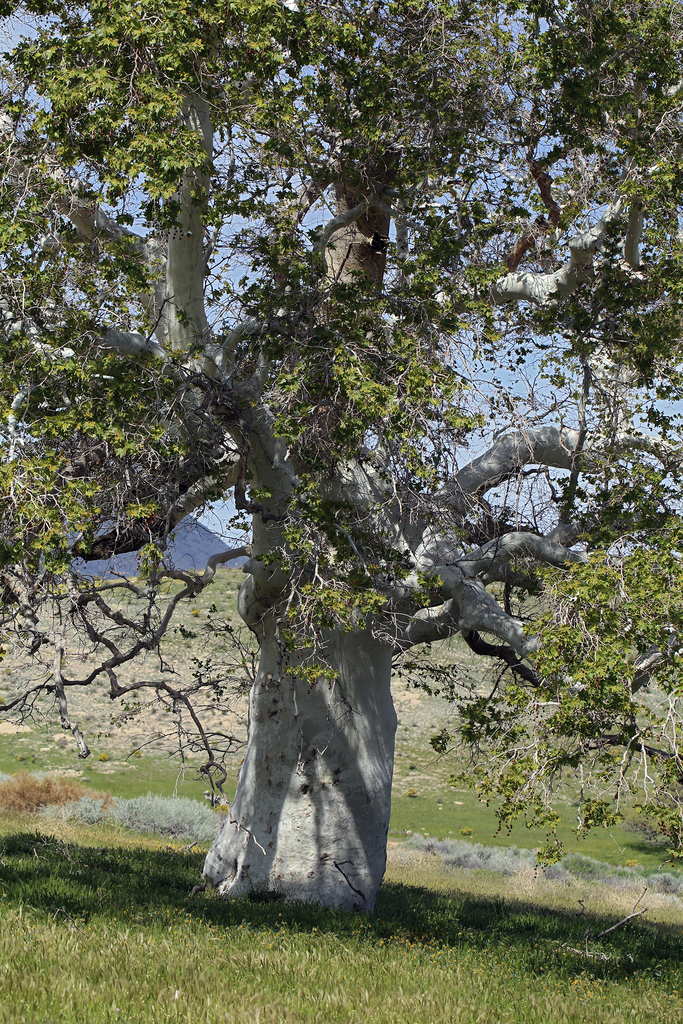
The London planetree is a tough, majestic hybrid known for its iconic peeling bark and tolerance of urban conditions. It makes a grand statement in large landscapes or wide city streets. You will love how its mottled trunk adds visual interest throughout the year.
At a glance
- Care level
- Easy
- Plant type
- Deciduous tree
- Light
- Full sun
- Indoor light
- direct
- Water
- Every 7 to 14 days
- Mature size
- 20 to 30 meters
- Growth rate
- fast
- Hardiness
- USDA 5 to 9
- Bloom time
- Mid spring
Care
This tree is quite adaptable but prefers deep, moist soil to really thrive. Keep an eye out for fungal issues like anthracnose during wet springs, which can cause leaf drop. Regular pruning helps maintain a strong structure as the tree grows.
- Watering
- Water deeply during dry spells to keep the root zone consistently moist.
- Feeding
- Apply a balanced slow release fertilizer in early spring.
- Pruning
- Prune during the dormant winter season to shape and remove dead wood.
- Repotting
- This is a large landscape tree and is not suitable for container cultivation.
- Soil
- Deep, fertile, well-draining soil
- Soil pH
- Acidic to neutral
- Temperature
- -25 to 35°C
- Humidity
- 40 to 70%
How to identify it
- Exfoliating bark revealing creamy patches
- Large, maple like palmately lobed leaves
- Spherical seed balls hanging in pairs
- Sturdy, spreading canopy habit
- Height
- 15 to 30m
- Spread
- 12 to 25m
- Leaves
- green, deciduous
- Flowers
- yellow, red, 1 to 2cm
- Fruit
- brown, Autumn
Growing it
- Propagation
- cuttings, seed
- When to plant
- Spring, Autumn
Science
- Family
- Platanaceae
- Genus
- Platanus
- Order
- Proteales
- Class
- Magnoliopsida
Through the year
Taxonomy resolved against GBIF.
Is your london planetree looking unwell?
This page is a general guide. Pocket Botanist diagnoses problems from a photo of your actual plant, works out watering for your light and conditions, and reminds you when care is due.
This guide was generated with AI and checked against GBIF taxonomy. It is general information, not horticultural or veterinary advice. Read about how we build these guides.