 Pocket Botanist
Plant guide
African mask plant.
Alocasia × amazonica
Pronounced al-oh-KAY-zee-uh am-uh-ZON-ih-kuh
Also known as Alocasia × amazonica
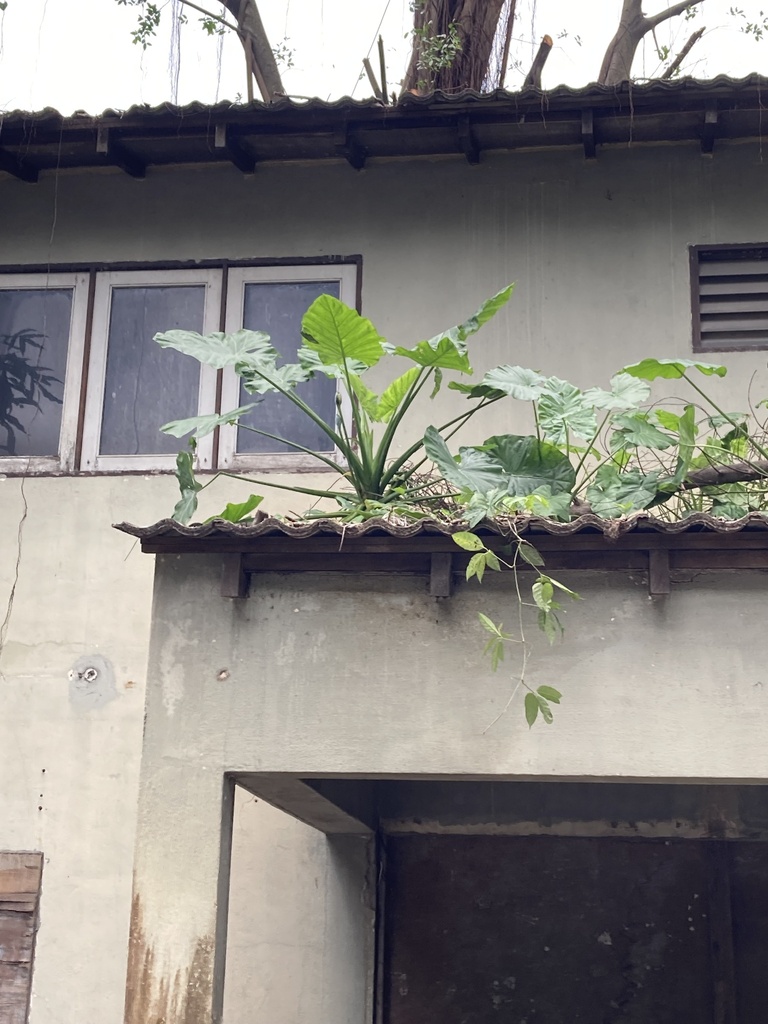
The African mask plant is a stunning tropical beauty known for its dramatic, arrow shaped leaves with bold white veins. It thrives in warm, humid environments that mimic its native rainforest floor. Keep it away from cold drafts to ensure it stays happy.
At a glance
- Care level
- Moderate
- Plant type
- Tropical perennial
- Light
- Bright indirect light
- Indoor light
- bright-indirect
- Water
- Every 5 to 10 days
- Mature size
- 60 to 90 cm
- Growth rate
- medium
- Hardiness
- USDA 10 to 12
- Bloom time
- Rarely indoors in summer
Care
Keep the soil consistently moist but never soggy to prevent root rot. Watch for yellowing leaves, which often signal overwatering or poor drainage. High humidity is essential, so consider using a pebble tray or humidifier nearby.
- Watering
- Water when the top few centimeters of soil feel dry to the touch.
- Feeding
- Apply a balanced liquid fertilizer diluted to half strength during the growing season.
- Pruning
- Remove yellow or damaged leaves at the base of the stem to maintain plant health.
- Repotting
- Repot only when the plant becomes rootbound in its current container.
- Soil
- Well draining peat based mix
- Soil pH
- 5.5 to 6.5
- Temperature
- 15 to 27°C
- Humidity
- 60 to 80%
- Drought tolerance
- low
- Lifespan
- Perennial, typically 3 to 5 years with good care.
- Deer and rabbits
- moderate
Signs it needs repotting
- Roots growing out of the drainage holes.
- Water running straight through the pot without soaking in.
- The plant stops producing new leaves.
Safety
- People
- All parts of the plant are toxic to humans and pets due to insoluble calcium oxalate crystals.
- Pets
- This plant is toxic to cats and dogs if ingested due to calcium oxalate crystals.
- Children
- Keep this plant out of reach of small children as chewing on the leaves causes immediate oral pain and swelling.
- Contact allergens
- The sap can cause skin irritation or dermatitis in sensitive individuals.
- Airborne allergens
- There are no notable airborne respiratory allergens associated with this plant.
- Edibility
- This plant contains calcium oxalate crystals which cause intense burning and swelling if ingested.
How to identify it
- Deep green arrow shaped leaves
- Prominent silvery white leaf veins
- Wavy or scalloped leaf edges
- Dark purple undersides on leaves
- Height
- 0.45 to 0.9m
- Spread
- 0.3 to 0.6m
- Leaves
- dark green, white, purple, evergreen
- Flowers
- green, white, 5 to 10cm
Common problems
- Spider mites — These tiny pests thrive in dry indoor air and cause stippling on the leaves.
- Root rot — Overwatering or poor drainage leads to fungal decay of the root system.
- Leaf spot — Bacterial or fungal infections often appear as dark, water soaked spots on the foliage.
Growing it
- Propagation
- division
- When to plant
- spring, summer
- Overwintering
- Keep the plant in a warm spot away from cold drafts. Reduce water slightly during the winter months as growth slows down.
- In containers
- It grows well in containers, provided the pot has excellent drainage and is not excessively large.
Division
- Gently remove the plant from its pot.
- Separate the offsets or corms from the main root ball.
- Plant the offsets in small pots with well draining soil.
Group plants with similar moisture needs together to create a humid zone in your home.
Grows well with
- Peace Lily — They share similar requirements for high humidity and indirect light.
- Ferns — Ferns help create a humid microclimate that benefits the Alocasia.
Keep away from
- Succulents — Succulents require much drier soil and higher light levels than this plant.
Similar species
- Alocasia polly — This is a more compact version of the original hybrid.
- Elephant Ear — They share a similar dramatic, large leaf aesthetic.
Science
- Family
- Araceae
- Genus
- Alocasia
- Order
- Alismatales
- Class
- Liliopsida
- Native range
- This is a man made hybrid, not a wild species.
- Conservation
- This is a cultivated hybrid and is not of conservation concern in the wild.
As a tropical hybrid, it thrives in warm, humid environments that mimic a rainforest floor.
- Uses
- Indoor ornamental, Statement houseplant
Through the year
Ecological indicators
- Salinity
- 2/9
- Soil reaction
- 6/9
- Light
- 4/9
- Temperature
- 8/9
- Moisture
- 7/9
- Nutrients
- 6/9
Taxonomy resolved against GBIF.
Questions people ask
- Why are the leaf tips turning brown?
- This is usually a sign of low humidity or inconsistent watering.
- How much light does it need?
- It prefers bright, indirect light to maintain its dark leaf color.
Where the name comes from
The name Alocasia comes from the Greek words for not and Colocasia, a related genus. The epithet amazonica was added to suggest a tropical, exotic origin.
Good to know
- It is often called the African Mask plant because of its unique leaf shape.
- The leaves can grow quite large, reaching up to 2 feet in length.
- It requires high humidity to look its best.
Is your african mask plant looking unwell?
This page is a general guide. Pocket Botanist diagnoses problems from a photo of your actual plant, works out watering for your light and conditions, and reminds you when care is due.
This guide was generated with AI and checked against GBIF taxonomy. It is general information, not horticultural or veterinary advice. Read about how we build these guides.